
Pests
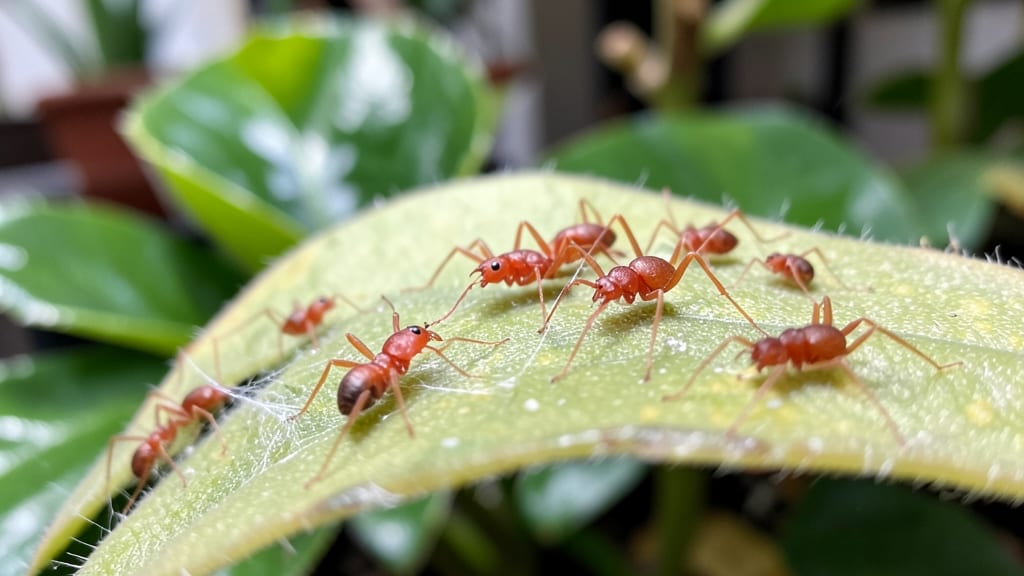
How to get rid of red spiders that turn your lush leaves into skeletal lace in weeks. 🌿 I’ve battled these tiny invaders three times—each time, I learned what actually works. The key? Fast action with the right spray, not just hoping they’ll disappear.
Most gardeners reach for pesticides first, but that’s overkill. A neem oil spray (mix 1 tablespoon per quart of water) or insecticidal soap (1.5 tablespoons per gallon) knocks them out in 24 hours when applied correctly. The secret? Spray both sides of leaves and focus on undersides where they hide.
You’ll see results within a day—mites drop off, and new growth stays untouched. Add daily misting to boost humidity, and your plants will bounce back faster. Prevent future outbreaks by checking leaves weekly, especially in dry heat.
Works for houseplants, veggie gardens, and ornamentals alike. No more losing your favorite plants to these sneaky pests—here’s how to reclaim them fast.
Understanding The Root Causes
Those tiny red invaders—whether they’re harvestmen (daddy longlegs), red spider mites, or carmine spider mites—don’t just appear out of nowhere. Their presence is usually a red flag (pun intended) that something in your environment is off balance.
Let’s break down the science behind why these eight-legged critters show up uninvited.
If you’ve noticed red spiders lurking in your houseplants or garden, excess moisture is often the culprit. Harvestmen, for example, thrive in damp, decaying organic matter like mulch or rotting leaves.
Meanwhile, red spider mites (like Tetranychus urticae) love dry, dusty conditions—but they also exploit stressed plants that can’t regulate their own moisture. Here’s the science:
- Fungal Feasts: Harvestmen rely on fungi growing in soggy soil. Overwatering creates the perfect fungal buffet, drawing them in.
- Root Rot Weakness: Plants with root rot produce volatile organic compounds (VOCs) that attract mites and harvestmen as a distress signal.
- Humidity Mismatch: High humidity (60%+) favors harvestmen, while low humidity (<40%) triggers spider mites to spin webs and multiply rapidly.
Actionable Fix: Let the top inch of soil dry out between waterings, and repot plants in well-draining mixes (like cactus soil for succulents).
Spider mites and harvestmen are opportunistic predators—they don’t just show up for fun. When plants are already under attack (e.g., by aphids, thrips, or whiteflies), the damage creates an ideal ecosystem for red spiders. Here’s how it plays out:
- Sugar Rush: Aphids excrete honeydew, a sticky sugar solution that fuels fungal growth. Harvestmen and mites follow the fungal trail.
- Weakened Defenses: Stressed plants produce fewer secondary metabolites (natural pesticides), making them easier targets.
- Webbed Safety Nets: Spider mites spin webs to trap prey and moisture. If other pests are already present, mites see it as a pre-built hunting ground.
Actionable Fix: Treat primary pests first with neem oil or insecticidal soap. Prune damaged leaves to remove hiding spots.
Inside your home, red spiders (especially harvestmen) are drawn by three key factors: warmth, food sources, and hiding spots. Here’s the breakdown:
| Trigger | Why It Attracts Them | Science Behind It |
|---|---|---|
| 🔥 Heat (e.g., near vents, kitchens) | Harvestmen seek warmth to speed up metabolism. | They’re poikilothermic (cold-blooded), so heat increases their activity and reproduction rates. |
| 🍞 Food Debris (e.g., crumbs, pet food) | Attracts mites and harvestmen indirectly by luring roaches or ants. | These pests leave behind frass (waste) and dead bodies, which decompose into microbial food for harvestmen. |
| 🕷️ Clutter & Dark Corners | Provides shelter from predators and humans. | Harvestmen avoid light; their ocelli (simple eyes) detect movement poorly in bright areas. |
Actionable Fix: Reduce heat sources near entry points, seal food containers, and declutter with silicone storage bins (no hiding spots!).
Red spiders aren’t year-round pests—they follow seasonal patterns tied to plant cycles and weather. Here’s when they peak and why:
- Spring/Summer (Spider Mites):
- Longer daylight hours trigger photoperiodism in mites, boosting reproduction.
- Drought stress in plants makes them more susceptible to mite attacks.
- Fall/Winter (Harvestmen):
- Cooler temps make harvestmen seek indoor warmth, especially in basements or garages.
- Decaying leaves and fallen fruit provide food and shelter.
Actionable Fix: Monitor plants during dry spells (use a hygrometer to track humidity) and seal gaps in windows/doors before fall.
Quick Fixes for Red Spider Infestations
Now that you know why those tiny red invaders are showing up, it’s time to take action! Red spiders—whether they’re harvestmen (daddy longlegs), red velvet mites, or spider mites—each need a slightly different approach.
Below, we’ll break down the best solutions based on the cause, so you can tackle the problem fast and keep them from coming back.
Harvestmen are harmless but creepy, and they love damp, cluttered spaces. Here’s how to evict them:
🔥 Seal Entry Points
- Check windows, doors, and vents for gaps—use caulk or weatherstripping to block their access.
- Install fine mesh screens on vents and crawl spaces if they’re recurring.
🍳 Reduce Moisture & Clutter
- Fix leaks under sinks, around pipes, and near the foundation.
- Declutter basements, attics, and garages—store items in sealed plastic bins.
- Use dehumidifiers in damp areas (keep humidity below 50%).
👨🍳 DIY Traps & Repellents
- Sticky traps near entry points (like windowsills) catch stragglers.
- Diatomaceous earth (DE) in thin layers along baseboards—harmless to pets but deadly to pests.
- Essential oil spray: Mix 10 drops peppermint or tea tree oil with 1 cup water in a spray bottle.
Spray entry points (test on surfaces first!).
✨ Pro Tip: Harvestmen hate cedar chips—place them in corners or under furniture as a natural deterrent.
These bright red mites thrive in mulch, leaf litter, and woodpiles. They don’t bite but can be a nuisance:
🌡️ Remove Their Hideouts
- Rake up leaf litter and clear mulch from foundations and decks.
- Store firewood at least 20 feet from your home and elevate it off the ground.
- Keep grass short and trim back bushes touching your house.
🔪 Targeted Sprays (Safe & Effective)
- Insecticidal soap (mix 1 tbsp mild soap + 1 quart water)—spray directly on mites in hidden areas.
- Neem oil spray (1 tbsp neem oil + 1 tsp dish soap + 1 quart water)—safe for plants and pets after drying.
- For severe infestations, use a pyrethrin-based spray (like Bifen IT or Spectrum IC)—follow label instructions.
💡 Pro Tip: Vacuum up mites from patios and porches—empty the vacuum outside immediately.
Tiny, fast-reproducing spider mites suck plant sap and leave webbing. Act fast before they spread!
🚿 Immediate Cleanup
- Isolate infested plants to prevent cross-contamination.
- Wipe leaves with a soapy water cloth (1 tsp mild soap per gallon of water).
- Blast them off with a strong spray of water (mimics rain and washes them away).
🌿 Natural & Chemical Controls
| Method | How to Use | Best For |
|---|---|---|
| Neem oil | Spray every 5–7 days (mix 1 tbsp neem + 1 tsp soap + 1 quart water). | Organic gardens, pets safe. |
| Insecticidal soap | Spray directly on mites (reapply every 3–5 days). | Fast knockdown. |
| Predatory mites | Release Phytoseiulus persimilis (buy online)—they eat spider mites! | Long-term prevention. |
| Horticultural oil | Apply in cool weather (follow label rates). | Severe infestations. |
🎯 Pro Tip: Yellow sticky traps near plants catch adult mites—place them under leaves.
Once you’ve kicked them out, stop them from moving back in with these habits:
- 🔍 Inspect secondhand furniture—red velvet mites love hiding in old wood and fabric.
- 🌧️ Fix outdoor drainage—standing water attracts mites and harvestmen.
- 🌿 Prune plants away from your home—keep shrubs trimmed at least 1 foot from walls.
- 🕷️ Regular vacuuming—especially in corners, under furniture, and along baseboards.
- 🚫 Avoid overwatering houseplants—damp soil attracts spider mites.
Final Thought: Most red spider issues disappear within 24–48 hours if you act fast! For stubborn cases, combine methods (e.g., sealing entry points + targeted sprays). And remember—prevention is your best defense. Stay vigilant, and those tiny red troublemakers won’t stand a chance!
Frequently asked questions
Are red spiders dangerous to humans or pets?
Most red spiders—like harvestmen or red velvet mites—are harmless to humans and pets. They don’t bite or transmit diseases, though their presence might indicate moisture issues in your home. Spider mites, however, can irritate sensitive skin if you handle heavily infested plants without protection.
How do I tell if I have spider mites vs. harvestmen?
Spider mites are tiny (0.5mm), red or yellow, and leave fine webbing on leaves. Harvestmen are larger (1cm+), long-legged, and usually found in damp areas like basements. Check leaf undersides with a magnifying glass—mites cluster in colonies, while harvestmen wander solo.
Will neem oil kill red spiders or just repel them?
Neem oil kills spider mites by disrupting their cell membranes, but it’s more of a repellent for harvestmen. For mites, spray until leaves are damp (both sides) and repeat every 5–7 days. For harvestmen, combine neem with sealing entry points—it won’t eliminate them alone.
Why do red spiders keep coming back after I treat them?
They’re likely returning because their environmental triggers (like humidity or food sources) aren’t fixed. For harvestmen, check for leaks or clutter. For spider mites, ensure you’re treating all plants and maintaining proper watering. Reapply sprays every 3–5 days until the problem disappears.
Can I use vinegar to get rid of red spiders?
White vinegar (1:1 water ratio) can help deter harvestmen by wiping surfaces, but it’s not effective against spider mites. For plants, use insecticidal soap instead—vinegar can harm foliage. For harvestmen, spray vinegar along baseboards (test first on hidden areas).