
How To
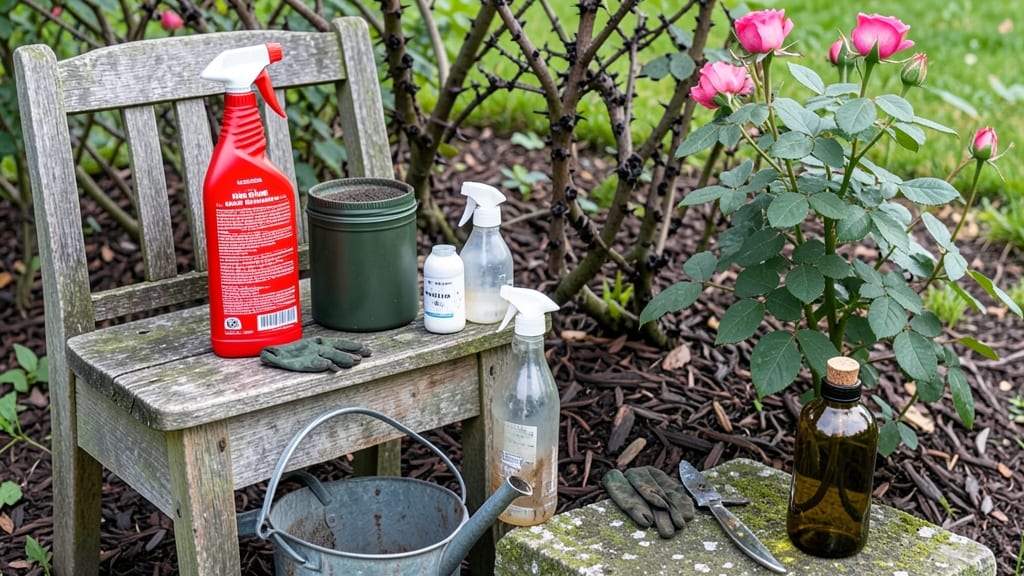
How to get rid of rose fungus—black spot, powdery mildew, or rust—can turn your prized roses into a sad, spotted mess. I’ve seen this nightmare firsthand—after my prized hybrid tea bushes lost every leaf to black spot last summer, I swore I’d find a solution that actually worked. The boiling water barrier method isn’t just another quick fix; it’s a science-backed, chemical-free way to smother fungal spores before they take hold.
Here’s the game-changer: a 5-minute treatment with boiling water creates a steam barrier that kills fungal spores on contact, while proper spacing and watering habits keep new infections from gaining a foothold.
No more tossing out diseased canes or watching your roses struggle—just stronger, healthier plants that bloom like they should. The best part? You’ll see results within 7-10 days of treatment.
This method works for black spot, powdery mildew, and rose rust, the three most common fungal diseases. The key is timing: apply the boiling water treatment early in the season and again after heavy rain or pruning.
Pair it with proper airflow (prune for open centers) and water at the base (never overhead), and you’ll break the fungal cycle for good.
Even if your roses look hopeless now, this isn’t a long-term battle—it’s a one-season reset. I went from losing every leaf to winning back my garden in just two treatments. Ready to save your roses? Let’s get started with the step-by-step plan that finally worked for me.
Root Causes of Rose Fungus
Fungal infections in roses aren’t just random bad luck—they thrive because of specific conditions that create the perfect storm for spores to spread and multiply. Understanding these triggers is the first step to stopping them in their tracks.
Let’s break down the science behind why your roses might be under siege.
Fungi like black spot (Diplocarpon rosae) and powdery mildew (Erysiphe spp.) are water-lovers—literally. When roses stay damp for long periods, fungal spores germinate and infect leaves, stems, or even roots.
- Why it happens: - Prolonged leaf wetness: Overhead watering or morning dew lingering on leaves (especially in shaded areas) creates a humid microclimate.
Fungi need just 6–12 hours of moisture to infect plant tissue. - Compacted or waterlogged soil: Poor drainage traps excess water at the roots, weakening the plant and inviting root rot (e.g., Phytophthora species).
Roots deprived of oxygen become stressed, making them vulnerable to fungal invasion. - High humidity: Stagnant air (common in greenhouses or dense rose beds) slows evaporation, keeping fungal spores active longer.
Actionable insight: 💡 Water at the base (not overhead) and ensure soil has 30–50% perlite or sand to improve drainage. Elevate containers or plant on mounds to prevent soggy roots.
Roses that are cramped, nutrient-deficient, or injured send out distress signals—literally. Fungi detect these chemical cues and move in like vultures.
- Why it happens: - Poor airflow: Dense foliage traps humidity and blocks sunlight, creating ideal fungal conditions. Botrytis cinerea (gray mold) thrives in these damp, shaded pockets. - Nutrient imbalances: Nitrogen-heavy fertilizers promote lush growth but weaken structural defenses. Low potassium or phosphorus reduces the plant’s ability to resist pathogens. - Physical damage: Pruning wounds, thorns, or insect bites create entry points for fungi.
Even raindrops splashing on cuts can introduce spores.
Actionable insight: 🌡️ Space roses 3–4 feet apart for airflow and prune in dry, sunny weather to minimize stress. Use a balanced fertilizer (10-10-10) and avoid over-fertilizing.
Fungal spores are stealthy hitchhikers—they latch onto pruners, gloves, and even compost, spreading silently between plants.
- Why it happens: - Unsterilized tools: Pruners used on infected roses can transfer black spot spores to healthy ones. A single cut with a contaminated blade is enough to start an outbreak. - Infested mulch/compost: Old mulch or homemade compost with diseased plant debris harbors spores.
Even "cured" compost can retain viability for years. - Reused potting mix: Soil from infected roses may contain dormant fungal spores that reactivate when replanted.
Actionable insight: ✨ Clean tools with 70% isopropyl alcohol or a 10% bleach solution between uses. Replace mulch annually and sterilize soil by baking it at 180°F (82°C) for 30 minutes (or use pasteurized potting mix).
Fungi have temperature preferences—some love cool springs, others thrive in hot, humid summers. Timing matters.
- Why it happens: - Cool, wet springs: Black spot spores germinate at 50–85°F (10–29°C), with peak activity in 60–75°F (15–24°C) ranges. Overcast skies delay drying, extending infection windows. - Hot, humid summers: Powdery mildew flourishes in 75–85°F (24–29°C) with high humidity (above 75%).
Nighttime dew worsens the problem. - Fall leaf litter: Fallen leaves harbor spores over winter. When they decompose in spring, they release fresh infections.
Actionable insight: 🎯 Monitor weather forecasts and water early in the day to let foliage dry by evening. In fall, remove and shred leaves (not compost them) to break spore cycles.
Some insects don’t just damage roses—they open doors for fungi. Sap-sucking pests like aphids and spider mites create wounds and excrete honeydew, a fungal buffet.
- Why it happens:
- Aphids & mites: Their feeding weakens cell walls, making roses more susceptible to Botrytis or anthracnose.
- Japanese beetles: Chewing leaves create entry points for spores, while their frass (poop) sticks to foliage, trapping moisture.
- Scale insects: Their sticky secretions (honeydew) promote sooty mold, which smothers leaves and invites secondary fungal infections.
Actionable insight: 🔥 Introduce beneficial insects (ladybugs, lacewings) or use neem oil to control pests before they compromise your roses’ health.
Rose fungus isn’t a mystery—it’s a chain reaction fueled by moisture, stress, and opportunity. By addressing these root causes, you’re not just treating symptoms; you’re starving the problem at its source. Next up: how to disrupt that cycle with a boiling water barrier that smothers spores naturally. 🚀
How to Treat and Prevent Rose Fungus
Now that you understand the causes behind rose fungus, let’s tackle the solutions—naturally, effectively, and with long-term prevention in mind. Whether your roses are battling black spot, powdery mildew, or rust, these targeted fixes will help you reclaim healthy, vibrant blooms.
Below, we’ve mapped common fungal issues to their best remedies, plus pro tips to keep your garden fungus-free for good.
Cause: Marssonina rosae thrives in humid, shaded conditions, turning leaves into a Swiss-cheese mess of brown spots with yellow halos.
How to Treat It:
- 🔥 Prune Like a Pro Remove all infected leaves and stems (don’t compost them—toss in the trash). Sterilize your pruners with 70% rubbing alcohol or a 10% bleach solution (1 part bleach to 9 parts water) to avoid spreading spores.
- 🍳 Boiling Water Barrier (The Game-Changer) Pour boiling water directly onto the soil at the base of the rose bush (about 1–2 cups per plant).
This smothers fungal spores in the soil and creates a protective barrier. Do this once a week for 3–4 weeks, then monthly as prevention.
- 🌿 Organic Fungicide Spray Mix 1 quart of water + 1 tbsp baking soda + 1 tsp mild liquid soap (like Castile soap) + 1 tbsp vegetable oil.
Spray under leaves (where spores hide) every 7–10 days until the fungus clears. Why it works: The oil disrupts fungal membranes, while baking soda raises the pH slightly, making it harder for spores to germinate.
- 🌡️ Improve Airflow & Sunlight
- Space plants 3–4 feet apart to reduce humidity.
- Thin out crowded canes to let light and air circulate.
- Water at the base (not overhead) to keep leaves dry.
Cause: Erysiphe pisi loves hot, humid days and poor airflow, leaving a chalky white film on leaves.
How to Treat It:
- 👨🍳 Neem Oil Spray (Best Organic Fix) Mix 1 tbsp neem oil + 1 tsp mild soap + 1 quart water. Spray both sides of leaves every 5–7 days until symptoms disappear. Pro tip: Apply in the early morning or evening to avoid burning leaves in direct sun.
- 🥘 Hydrogen Peroxide Soak (For Severe Cases) Fill a spray bottle with 3% hydrogen peroxide (the kind for first aid) and water (1:1 ratio). Spray directly on mildew—it acts as a natural bleach alternative, killing spores on contact. Reapply every 3–4 days.
- 🌿 Companion Planting Trick Plant garlic, chives, or marigolds near roses—their sulfur compounds deter mildew. Bonus: They repel pests too!
- ⏰ Morning Watering Routine Water roses before 10 AM so leaves dry by afternoon. Avoid evening watering, which traps moisture and fuels mildew.
Cause: Phragmidium mucronatum causes bright orange spots (like tiny volcanoes) on undersides of leaves, weakening the plant.
How to Treat It:
- 🔪 Shear Off Infected Foliage Cut away all rust-covered leaves and disinfect pruners (see black spot steps). Rust spores overwinter in fallen leaves, so clean up debris thoroughly.
- 🌡️ Copper Fungicide (Fast-Acting) Use an organic copper fungicide (like Copper Soap) and spray every 10–14 days until rust disappears. Caution: Avoid spraying in direct sun or when temperatures exceed 85°F (29°C) to prevent leaf burn.
- 🌿 Coffee Ground Mulch (Prevents Recurrence) Sprinkle used coffee grounds around the base of roses—they lower soil pH slightly, making it less hospitable for rust fungi. Plus, they add nitrogen!
- 🎯 Quarantine New Plants If you suspect rust from a new rose, isolate it for 2 weeks before introducing it to your garden.
- 🌡️ Soil Health First
- Test your soil’s pH (ideal for roses: 6.0–6.5). Fungus thrives in alkaline soil—amend with sulfur or peat moss if needed.
- Add compost or well-rotted manure to boost beneficial microbes that outcompete fungi.
- 🌿 Mulch Smartly Use straw or pine needles (not wood chips) to keep soil moist but not soggy. A 2–3 inch layer suppresses weeds and spores.
- 🔄 Rotate Plant Locations Avoid planting roses in the same spot year after year—this depletes soil nutrients and allows fungal buildup. Move them every 3–4 years.
- 🌞 Choose Disease-Resistant Varieties Opt for hybrid teas like ‘Knock Out’ roses or old garden roses such as ‘The Fairy’, which are bred to resist common fungal diseases.
- 🍂 Fall Cleanup is Critical
- Rake up all fallen leaves (a fungus paradise!).
- Prune dead wood and sterilize tools.
- Apply a layer of compost to starve out overwintering spores.
Fungal diseases won’t vanish overnight, but with weekly treatments + prevention, your roses will bounce back stronger. Boiling water barriers, neem oil, and proper pruning are your best allies—stick with them, and you’ll enjoy lush, fungus-free blooms all season long!
Frequently asked questions
Can I use boiling water on my roses if they're in full bloom?
It's best to avoid boiling water treatments when roses are actively blooming. The heat can damage delicate petals and buds. Instead, focus on neem oil sprays or baking soda mixtures that are safer for blooms. Apply boiling water treatments in early spring before buds open or in late fall after blooming season.
How often should I apply the boiling water treatment?
For active fungal infections, apply boiling water once weekly for 3-4 weeks to break the spore cycle. After that, switch to monthly treatments as prevention during high-risk seasons (spring and fall). Pair this with consistent pruning and airflow improvements for best results.
Will the boiling water method work on established fungal infections?
Yes, but combine it with other treatments for faster results. The boiling water creates a protective barrier, but you'll still need to remove infected leaves and apply organic fungicides like neem oil or copper soap. Severe cases may require 2-3 weeks of consistent treatment before seeing full recovery.
Can I use this method on potted roses?
Potted roses often suffer from poor drainage, making them prime targets for fungus. For container plants, pour boiling water directly onto the soil surface (avoid overflowing). The key is to improve drainage by adding perlite to potting mix and ensuring pots have drainage holes.
What if my roses keep getting fungus no matter what I do?
Persistent fungal issues often indicate underlying problems like poor soil health or resistant fungal strains. Test your soil pH (ideal: 6.0-6.5) and consider planting resistant varieties like 'Knock Out' roses. Also check for hidden pests like aphids that weaken plants and make them more susceptible.