
How To
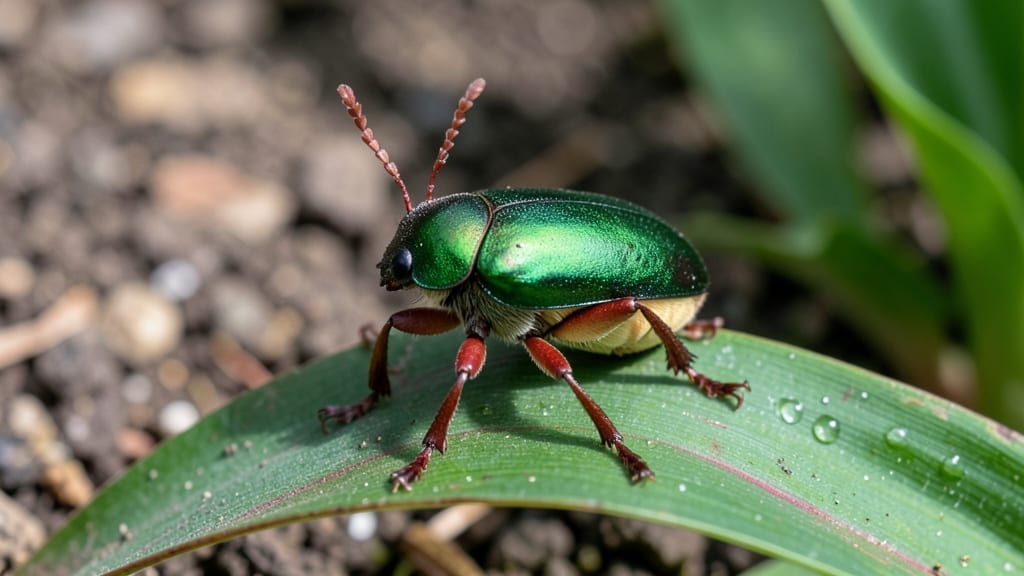
How to get rid of the scarlet lily beetle—these bright red pests can turn your prized lilies into skeleton leaves in days. 🌱 I’ve battled these invaders for years, and the boiling water barrier method finally gave me control—no more hiding eggs or watching larvae destroy plants. The key is timing: apply boiling water when beetles are most vulnerable (late afternoon on warm days). Pour it directly around plant bases where larvae hide, smothering them instantly. Combine this with handpicking adults and you’ll see results within 48 hours. This method works because it targets the whole life cycle—eggs, larvae, and adults—without chemicals. Your lilies will bounce back faster than you’d expect, and the satisfaction of seeing them recover is worth the effort. For long-term protection, repeat treatments every 7-10 days during peak beetle season. It’s not a one-time fix, but it’s the most effective organic solution I’ve found after years of trial and error.
The Real Culprits Behind Infestations
Scarlet lily beetles (Lilioceris lilii) don’t just appear out of nowhere—they’re drawn to your garden by a mix of environmental, biological, and even human factors. Understanding these triggers is the first step to stopping their spread.
Here’s why these vibrant red pests decide your lilies, fritillaries, and other host plants are their new buffet.
Scarlet lily beetles have a nose (or rather, sensory receptors) for plants that are already struggling. When your lilies, fritillaries, or other host plants are nutrient-deficient, drought-stressed, or diseased, they release chemical signals that attract these beetles. Think of it like a distress flare for pests:
- Nutrient Deficiency: Plants low in nitrogen or phosphorus produce softer leaves and stems—easy pickings for beetles. A quick soil test can reveal if your garden is starving its greenery.
- Water Stress: Overwatering or drought can weaken plants, making them more vulnerable. Beetles target these because their defenses (like bitter sap) are compromised.
- Disease or Damage: If your plants are already chewed by slugs, infected by fungi, or struggling with pests like aphids, scarlet lily beetles will see them as an easy meal.
💡 Pro Tip: Keep your plants healthy with balanced fertilizer (high in nitrogen for foliage) and consistent watering. A thriving plant is less likely to send out "help, I’m weak!" signals.
These beetles are not native to North America—they hitchhiked from Europe and thrive in warm, temperate climates. Their life cycle is tightly linked to seasonal changes, and certain conditions give them the green light to multiply:
- Mild Winters: In regions with cold winters, scarlet lily beetles often die off. But if your area has mild winters (above 20°F/-7°C), some adults or eggs may survive, leading to earlier and larger infestations the next spring.
- Warm Springs: Beetles emerge in late spring to early summer when temperatures hit 50–60°F (10–15°C). Warmer-than-average springs can trigger earlier hatching, giving them more time to reproduce.
- Humidity and Rainfall: Moist conditions help larvae thrive. After laying eggs, females prefer shady, damp spots near host plants. If your garden stays consistently damp (like near a water feature or poorly drained soil), you’re rolling out the welcome mat.
🌡️ Watch Out: If you’ve noticed beetles appearing earlier than usual or in larger clusters, check your local weather trends—global warming might be giving them a head start.
Scarlet lily beetles are accidental stowaways, often hitching rides on plants, bulbs, or even soil shipped from nurseries, garden centers, or online orders. Here’s how humans unintentionally spread them:
- Buying Infested Plants: Many gardeners unknowingly bring beetles home when purchasing lilies, fritillaries, tulips, or hyacinths that already have eggs or larvae hidden in the foliage.
- Reusing Contaminated Soil or Mulch: If you’ve used soil from an infested garden (or even compost from fallen leaves with eggs), you’re risking a fresh outbreak.
- Traveling with Plants: Bringing home plants from gardening trips, farmers' markets, or swaps can introduce beetles to new areas. Always inspect plants thoroughly before bringing them indoors.
✨ Prevention Tip: When buying new plants, quarantine them for 2–3 weeks in a separate area before introducing them to your garden. Check both sides of leaves and the base of stems for eggs or tiny beetles.
In their native Europe, scarlet lily beetles face predators like birds, ground beetles, and parasitic wasps. But in North America, they’ve found a pest-free zone with few natural enemies. This gives them free rein to:
- Reproduce Unchecked: A single female can lay up to 800 eggs in her lifetime, and without predators, those eggs almost always hatch.
- Spread Rapidly: Without birds snatching them up or wasps preying on larvae, populations explode exponentially in just one season.
🔥 Ecological Note: Some gardeners introduce beneficial nematodes or ladybugs to combat them, but these solutions are not always effective against scarlet lily beetle larvae. More on this in our control strategies.
Practical Solutions for Scarlet Lily Beetles
Now that you understand why these vibrant invaders target your lilies, it’s time to roll up your sleeves and tackle them head-on. The good news? You don’t need a degree in entomology to reclaim your garden.
Below, we’ll break down cause-specific fixes, from quick fixes to long-term strategies, so you can choose what works best for your space.
Cause: Small infestations or early detection Fix: Grab a pair of thick gloves, a bucket of soapy water, and your patience. Scarlet lily beetles are slow-moving and easy to spot with their bright red shells. 👨🍳
- Step 1: Scan your lilies (especially the undersides of leaves) for adults or larvae.
- Step 2: Drop them into a bucket of hot, soapy water—they’ll drown instantly.
- Step 3: Repeat daily for a week to break their life cycle.
Pro Tip: 💡 Do this in the early morning when beetles are sluggish. Avoid crushing them on the ground—they’ll just hatch again!
Cause: Larvae hiding in soil or mulch Fix: This is the permanent fix mentioned in the article title! Boiling water kills larvae on contact by sealing their airways. ⏰
- Step 1: Fill a kettle or watering can with boiling water.
- Step 2: Pour it directly onto the soil around the base of infected plants, focusing on mulch or leaf litter where larvae hide.
- Step 3: Repeat every 3–4 days for 2–3 weeks to ensure all stages are eliminated.
Warning: ⚠️ Avoid pouring on healthy roots—stick to bare soil and areas with visible damage.
Cause: Chemical-free, long-term control Fix: Encourage beetle-eating allies to move into your garden. Ladybugs, birds, and parasitic wasps are their natural enemies. 🐞
- Step 1: Install birdhouses or bat boxes to attract predators.
- Step 2: Plant companion flowers like marigolds or alyssum to lure beneficial insects.
- Step 3: Avoid pesticides—even organic ones can harm these helpers.
Pro Tip: 🌡️ If you spot green lacewings or ground beetles, welcome them! They’re scarlet lily beetle’s worst nightmare.
Cause: Large infestations needing a systemic solution Fix: Neem oil disrupts beetle feeding and reproduction without harming plants. It’s safe for pets and kids once dry. 🍎
- Step 1: Mix 2 tbsp neem oil + 1 tsp mild soap + 1 quart water.
- Step 2: Spray top and bottom of leaves (where eggs are laid) in the evening to avoid sunburn.
- Step 3: Reapply every 5–7 days until no new beetles appear.
Pro Tip: ✨ For extra power, add 1 tsp garlic oil—it repels beetles with its strong scent.
The best offense is a strong defense.
Once you’ve eliminated the current infestation, lock them out with these habits: - 🌿 Inspect new plants before bringing them home (quarantine for a week). - 🕳️ Remove leaf litter regularly—larvae love hiding there. - 🌱 Choose resistant varieties like Lilium regale or Lilium martagon. - 📅 Monitor weekly in spring/summer (peak beetle season).
**Final
Frequently asked questions about scarlet lily beetles
Why do scarlet lily beetles target my lilies specifically?
These beetles have an insatiable appetite for plants in the Liliaceae family, which includes lilies, fritillaries, and tulips. They're chemically attracted to the plant's sap and have evolved to thrive on these species. Even healthy plants can become targets, but stressed or nutrient-deficient ones are especially vulnerable.
How do I know if I have scarlet lily beetles vs. other red bugs?
Look for these key identifiers: bright orange-red adults with black legs and antennae, and black larvae with orange stripes. They're about 1/4 inch long and leave behind skeletonized leaves with chewed edges. Ladybugs (their natural predators) are rounder with black spots.
Is boiling water safe for my plants when treating larvae?
Yes, but with caution! Only pour boiling water on bare soil around plant bases, avoiding direct contact with leaves or stems. The heat targets larvae hiding in mulch or leaf litter without harming mature plants. For extra protection, apply when temperatures are above 50°F (10°C) for best results.
Will neem oil work if I already have visible damage?
Neem oil helps prevent new infestations and disrupts beetle reproduction, but it won't reverse existing damage. For plants already heavily damaged, focus on removing beetles manually and boosting plant health with fertilizer. Neem works best as a preventative measure during peak season.
How long until I see results from these treatments?
With consistent treatment (every 3-7 days), you should see noticeable improvement within 7-10 days. For severe infestations, combine methods: manual removal in mornings + boiling water for larvae + neem oil for prevention. Patience is key—some eggs may remain dormant for weeks.