
Pests
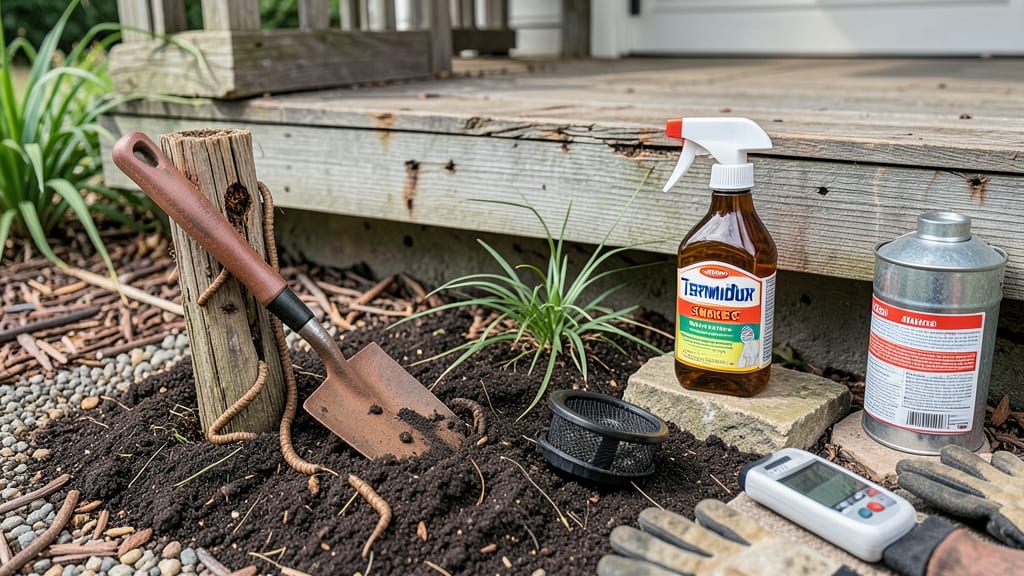
How to get rid of termites in soil—before they turn your garden into a ruined mess—requires a smart, natural approach. 🌱 I’ve seen firsthand how these silent destroyers chew through roots and weaken plants until I discovered this boil-and-pour barrier that smothers colonies deep in the soil. It’s not just about eliminating them; it’s about restoring your garden’s health without toxic chemicals.
The key is early detection: look for mud tubes on stems, hollow-sounding wood, or wilting plants with no obvious cause. Once you confirm termites, the boil-and-pour method uses hot water and natural oils (like neem or citrus) to flood their tunnels, suffocating them on contact.
This works for organic gardens and won’t harm edible crops if applied correctly.
By the time you’re done, your soil will be termite-free and more resilient to future infestations. The barrier creates a physical and chemical block that deters new colonies, while also improving soil structure. No more watching your tomatoes or peppers wither from hidden damage—just strong, healthy plants.
This method scales from small raised beds to large in-ground gardens, and it’s safe for kids and pets once fully cooled. The best part? You’ll see results within 24-48 hours, with long-term protection lasting through the growing season. Let’s get your soil back to thriving.
Root Causes of Soil Termites
Understanding why termites invade your soil is the first step to stopping them. These tiny but destructive pests don’t just appear out of nowhere—they’re drawn by specific conditions that make your property an all-you-can-eat buffet. Let’s break down the science behind their soil invasions.
---
Termites thrive in damp environments because moisture keeps their bodies hydrated and their tunnels stable. Without it, they dry out and die. Here’s why your soil might be their oasis:
- Poor Drainage 🌧️: Clay-heavy or compacted soil traps water, creating ideal termite conditions.
If your yard floods after rain or puddles form near foundations, you’ve got a red flag. - Leaky Pipes or Irrigation 💦: Buried pipes, sprinkler systems, or AC condensate lines can leak undetected, turning soil into a soggy termite magnet. - Wood Debris & Mulch 🪵: Piles of firewood, old stumps, or thick mulch layers hold moisture and provide food—double trouble for termites.
Actionable Insight: Test your soil’s moisture by digging a small hole (6–12 inches deep). If it feels damp to the touch, termites may already be moving in.
---
Termites are wood-eating machines, and soil near rotting timber is their dream vacation spot. Here’s how it happens:
- Buried Wood or Stumps 🌳: Old tree stumps, fence posts, or even buried firewood create hidden termite highways.
Subterranean termites (the most common soil invaders) build mud tubes to access these food sources. - Cellulose-Rich Materials 🏠: Soil touching untreated wood—like deck supports, crawl spaces, or even cardboard—gives termites a direct buffet.
They don’t just eat wood; they feast on paper, drywall, and insulation too. - Old Construction Waste 🗑️: Discarded lumber, pallets, or scrap wood left in your yard can attract termites, which then spread to nearby structures.
Actionable Insight: Remove all wood debris from your soil and replace it with gravel or termite-resistant materials like metal or concrete.
---
Termites are tropical creatures at heart—they love warmth and darkness. Your soil might be their perfect climate-controlled hideout:
- South-Facing Foundations ☀️: Sun-heated soil on the southern side of buildings stays warmer longer, attracting termites year-round. - Poor Ventilation in Crawl Spaces 🌀: Stagnant, warm air under homes traps moisture and heat, creating a termite paradise.
Without airflow, infestations spread unchecked. - Mulch Volcanoes 🌋: Thick mulch piles (especially organic types like bark) insulate soil, keeping it warm and humid—like a termite spa.
Actionable Insight: Improve crawl space ventilation with vents or fans, and keep mulch at least 6 inches away from your home’s foundation.
--- Termites don’t just wander randomly—they follow pheromone trails and scout for new territories. If a colony is already nearby:
- Swarmers Seeking New Homes 🐝: During spring rains, winged termites (swarmers) emerge to start colonies. If they land near your property, they’ll send out scouts to assess soil conditions. - Undetected Mud Tubes 🏗️: Subterranean termites build hidden tunnels in soil to reach food sources.
If you spot tiny, pencil-thick tubes on walls or foundations, a colony is already active. - Neighbor’s Infestation 🏡: Termites don’t respect property lines. If your neighbor has an infestation, their colony may have spread into your soil via shared mud tubes or root systems.
Actionable Insight: Inspect your property after rainstorms for discarded wings (swarmer casings) or mud tubes. If you see them, act fast—colonies grow rapidly.
--- In nature, termites face predators like ants, birds, and fungi. But in urban or well-maintained yards:
- Pesticide Overuse 💊: Harsh chemicals can kill termite predators (like ants) while leaving termites unharmed, creating a one-sided ecosystem. - Sealed Environments 🔒: Compacted soil or pavement eliminates ground-dwelling predators, giving termites free rein. - Monoculture Landscaping 🌿: Planting only termite-attracting species (like willows or fruit trees) without predator-friendly plants (like marigolds or mint) removes natural checks.
Actionable Insight: Encourage biodiversity with native plants and avoid overusing broad-spectrum pesticides. Let nature do some of the work!
--- Termites don’t choose your home randomly—they’re responding to environmental cues. By addressing moisture, food sources, warmth, and colony proximity, you’re not just treating the symptom; you’re cutting off their supply lines.
The next step? Proactive barriers like the boil-and-pour method to smother existing colonies before they expand. Stay tuned!
Termite Barrier Solutions That Work
Now that you understand why termites invade your soil, it’s time to take action. The good news? With the right approach, you can smother these pests deep in the ground and protect your home long-term.
Below are practical, step-by-step solutions tailored to the root causes of termite infestations—from moisture issues to wood debris and poor barriers.
---
Termites thrive in wet conditions, so drying out their habitat is your first line of defense.
- 💧 Drain Standing Water - Check for clogged gutters, poor grading, or leaky pipes near your foundation. - Redirect downspouts at least 5 feet away from your home’s base. - Install French drains if water pools near the foundation.
- 🌡️ Improve Soil Drainage - Use a soil probe to test moisture levels—if damp, mix in sand or gravel to improve aeration. - Avoid overwatering plants near the house; opt for drought-resistant landscaping.
- ✨ Prevent Future Moisture - Seal cracks in your foundation with hydraulic cement (termite-resistant). - Keep mulch at least 6 inches away from the house to reduce humidity.
---
Termites feed on cellulose, so eliminating their food source is critical.
- 🪓 Clear Dead Wood & Stumps - Remove tree stumps, fallen branches, and wood piles within 20 feet of your home. - Store firewood elevated and at least 20 feet away from the house.
- 🏠 Inspect & Repair Wood Structures - Check for rotting wood, damaged siding, or loose roof shingles—termites love weak spots. - Replace wood mulch near the foundation with gravel or rocks (termite-resistant).
- 🛠️ Use Termite-Resistant Materials - If rebuilding, opt for pressure-treated wood or metal framing in high-risk areas.
---
A physical or chemical barrier in the soil can smother termite colonies before they reach your home.
#### Option 1: Boil-and-Pour Termite Barrier (DIY-Friendly) This deep-soil treatment kills termites on contact and prevents reinfestation.
- 🔥 Step 1: Dig a Trench (6-8 Inches Deep) - Follow your foundation perimeter, digging 6-8 inches deep and 12 inches wide. - Remove rocks and debris for even coverage.
- 🍳 Step 2: Mix the Boil-and-Pour Solution - Recipe: 1 gallon boiling water + 1 cup dish soap + 1 cup vinegar (or termites’ natural enemy: orange oil). - For stronger results, add 1 tbsp borax (non-toxic to pets once dry).
- 🥘 Step 3: Pour & Soak the Soil - Slowly pour the mixture into the trench, ensuring it fully saturates the soil. - Let it penetrate for 24 hours before backfilling.
- ⏰ Step 4: Repeat Quarterly - Reapply every 3-4 months or after heavy rain to maintain effectiveness.
#### Option 2: Professional Chemical Barrier (Long-Term Protection) If DIY isn’t enough, professional-grade termiticides like fipronil or imidacloprid create a long-lasting soil barrier.
- 💡 Pro Tip: Ask your exterminator about non-repellent termiticides—they kill termites without warning, making them more effective.
---
Prevention is 90% of the battle. Stay vigilant with these ongoing checks:
- 🕵️ Weekly Inspections - Look for mud tubes, discarded wings, or hollow-sounding wood. - Tap wood structures—hollow sounds = termite damage.
- 🌡️ Seasonal Soil Treatment - In spring and fall (peak termite activity), reapply boil-and-pour or borax treatments.
- 🎯 Install Termite Bait Stations - Monitor stations (like Recruit HD) attract termites, which then poison the colony. - Place them 10-20 feet from the foundation in moist soil.
---
Once you’ve eliminated existing termites, keep them away with these smart habits:
- 💡 Use Termite-Resistant Plants - Plant cedar, lemongrass, or catnip near your foundation—their scents repel termites.
- 🏡 Elevate Wooden Structures - Keep decks, sheds, and fences on concrete piers (not directly on soil).
- 🔍 Get a Pre-Treatment Before Building - If constructing a new home, treat the soil with a termiticide barrier before pouring the slab.
--- Final Thought: Termites in soil don’t stand a chance when you cut off their food, water, and shelter. Start with moisture control, remove wood debris, and seal with a barrier—whether DIY or professional. Stay consistent, and your home will remain termite-free for years!
Frequently asked questions
How do I know if termites are in my soil?
Look for mud tubes (pencil-thick tubes on walls or foundations), discarded wings after rainstorms, or hollow-sounding wood when tapped. Check for wilting plants with no other obvious cause—termite damage weakens roots. Dig a small hole (6-12 inches deep) and look for tiny white termites or their tunnels.
Is the boil-and-pour method safe for edible gardens?
Yes, when used correctly! The boil-and-pour barrier with dish soap, vinegar, and orange oil is non-toxic once cooled. Avoid using chemical termiticides near veggies—stick to natural ingredients. Always wait 48 hours before replanting to ensure full safety for edible crops.
How often should I reapply the boil-and-pour treatment?
Reapply every 3-4 months or after heavy rain to maintain effectiveness. For best results, treat in spring and fall (peak termite activity seasons). If you notice new mud tubes or winged termites, apply immediately—they signal active colonies.
Will nematodes work for soil termites?
Nematodes target grubs and larvae but are less effective against mature termites. For soil termites, combine nematodes with the boil-and-pour method for better results. Apply nematodes in the evening when soil is moist, and repeat every 4-6 weeks during growing seasons.
Can I use diatomaceous earth (DE) for soil termites?
Yes, but it requires food-grade DE and proper application. Sprinkle a thin layer (1/4 inch) around the foundation and water lightly to activate. Reapply after rain. For deep soil treatment, mix DE with sand and pour into trenches—just know it works best on surface-level infestations.