
Size
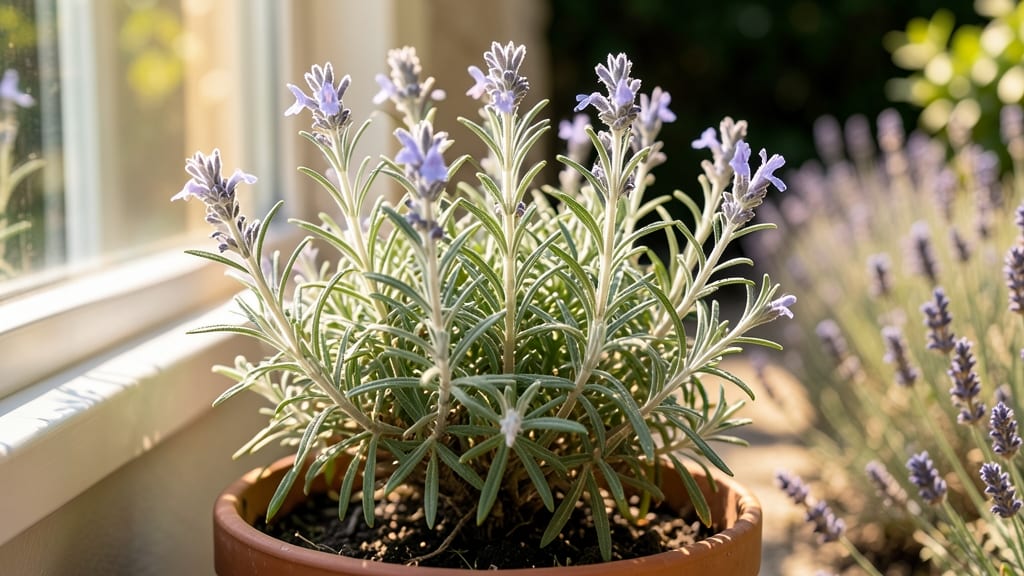
How to get rosemary to grow thrives when you mimic its Mediterranean roots—sunlight, well-draining soil, and space to stretch. 🌿 I’ve battled leggy, woody rosemary for years until I learned the hard way: this herb isn’t just drought-tolerant, it demands it. The key lies in understanding its needs before planting, whether from seed, cutting, or store-bought plant.
Start with 6+ hours of direct sun daily—no compromises. Soil should drain like a sandy beach, and spacing matters: give mature plants 2-3 feet apart (or more in pots). Overcrowding turns rosemary into a sad, tangled mess.
Water deeply but infrequently—once a week in summer, less in winter—letting the soil dry completely between waterings. This isn’t fussy; it’s specific.
You’ll know you’re doing it right when your rosemary grows upright, fragrant, and bushy—not stretched or yellowing. Prune sparingly in spring to encourage new growth, and harvest stems just before flowering for the strongest flavor. The first harvest is the sweetest reward after weeks of patience.
Whether you’re growing in containers, raised beds, or full sun gardens, rosemary adapts—but only if you respect its Mediterranean soul. Skip the guesswork: follow these basics, and you’ll have year-round harvests that smell like a Tuscan kitchen. Let’s get those stems growing straight and strong.
📚 In This Guide
- What you need
- Instructions
- Tips and common mistakes
- Wrapping up and next steps
What you need
- ● Rosemary plants: Start with 1-3 healthy rosemary cuttings (4–6 inches long) or nursery-grown plants (choose Rosmarinus officinalis for best results).
- ● Well-draining soil: A mix of potting soil (for containers) or sandy loam (for in-ground planting). Avoid heavy clay soil—rosemary hates soggy roots!
- ○ Containers (optional but recommended): 1–2 5–7 gallon pots (with drainage holes) per plant, or a raised bed (12+ inches deep).
- ● Terracotta pots (for better airflow and heat retention).
- ● Drainage: Gravel or perlite (1–2 inches at the bottom of pots).
- ● Fertilizer (light touch!): A balanced, low-nitrogen fertilizer (e.g., 5-5-5 or 10-10-10), used sparingly (once every 2–3 months).
- ● Pruning shears: Sharp, clean scissors or shears for trimming.
- ● Watering can or hose: With a gentle spray nozzle (rosemary dislikes wet foliage).
- ● Sunlight: A south-facing spot (or equivalent) with 6+ hours of direct sunlight daily. Indoor growers? Use a grow light (12+ hours/day).
- ● Climate: Rosemary thrives in USDA Zones 7–10. In colder zones, grow in containers and bring indoors before frost.
- ● Patience: Rosemary grows slowly—don’t rush it! Expect 6–12 months for a bushy, harvest-ready plant.
- ● Mulch: Gravel or pine straw to retain heat and deter weeds (rosemary loves dry conditions!).
- ● Epsom salt: A teaspoon per gallon of water (monthly) for magnesium boosts (great for yellowing leaves).
- ● Compost: A small amount (10%) mixed into soil for nutrients (avoid fresh manure—it burns rosemary!).
- ● Support stakes: For tall varieties (e.g., Rosmarinus officinalis ‘Hill Hardy’).
Step-by-step instructions for growing rosemary successfully
Here's the method I've perfected over years of growing rosemary—no more struggling with woody stems or slow growth.
🌱 Step 1: Choose the Right Location for Maximum Sunlight
Rosemary demands full sun exposure—at least 6-8 hours daily. A south-facing window or outdoor spot with unfiltered light is ideal. I always test locations by observing how long shadows linger—if the area gets less than 6 hours of direct light, rosemary will quickly become leggy and weak.
If growing indoors, position the plant within 2 feet of a south-facing window. You'll notice the stems growing toward the light and leaves becoming sparse on shaded sides. For outdoor containers, rotate the pot quarter-turn weekly to ensure even growth. This prevents the plant from leaning and maximizes photosynthesis.
🪴 Step 2: Prepare Well-Draining Soil and Containers
Rosemary hates soggy roots, so use a fast-draining mix like cactus or succulent soil blended with perlite or coarse sand. I fill containers with 60% potting mix and 40% perlite to create air pockets. Ensure containers have drainage holes—woody stems develop when roots sit in water.
For outdoor planting, amend native soil with 2 inches of gritty material like gravel or decomposed granite. Test drainage by scooping a handful of soil—if it forms a tight clump when squeezed, add more perlite. Rosemary thrives in slightly alkaline soil (pH 6.0-7.5), so a sprinkle of crushed eggshells can help adjust pH over time.
☀️ Step 3: Plant with Proper Spacing and Watering Routine
Space rosemary plants 3-4 feet apart in gardens or 12-18 inches apart in containers. Crowding causes competition for light and water, leading to stunted growth. Dig holes twice as wide as the root ball but no deeper—planting too deep suffocates roots and encourages rot.
Water deeply but infrequently—once every 1-2 weeks once established. Check soil moisture by sticking your finger 2 inches down—if dry, water thoroughly until it drains from the bottom. Overwatering is the #1 killer of rosemary; you'll know it's time to water when the soil feels completely dry at the base.
✂️ Step 4: Prune and Harvest for Bushier Growth
Prune rosemary in early spring by cutting back one-third of the oldest stems to encourage new growth. Use clean, sharp shears to make cuts just above a leaf node. This prevents woody stems and keeps the plant compact. I also trim any leggy growth that appears—it's a sign the plant needs more light.
Harvest sprigs regularly from the tips of branches to promote bushiness. Never take more than one-third of the plant at once. You'll notice new side shoots forming within 2-3 weeks after pruning. Store harvested stems in water like cut flowers—they'll stay fresh for 1-2 weeks in the fridge.
🌿 Step 5: Protect from Harsh Conditions Year-Round
Rosemary tolerates drought better than cold, so mulch heavily in winter with 2-3 inches of straw or wood chips to insulate roots. In zones with hard freezes (below 15°F), move potted plants to a sheltered spot or bring indoors near a sunny window. You'll see new growth in spring if the roots survived.
If growing outdoors in warm climates, provide afternoon shade during peak summer to prevent leaf scorch. Watch for spider mites on the undersides of leaves—rosemary attracts them when stressed. Spray with water or neem oil at the first sign of webbing. With proper care, your rosemary will thrive for 5-10 years or longer.
Tips & tricks for perfect rosemary growth
These game-changing insights will help you cultivate lush, fragrant rosemary that thrives year after year.
Sunlight Strategy: When testing locations for the required 6-8 hours of sunlight, pay attention to seasonal sun patterns. South-facing windows get the most consistent light, but east-facing windows can work too—just rotate your plant weekly to prevent one-sided growth. I've found that even slight obstructions like nearby trees can reduce sunlight by 20-30%, so always test locations for at least a week before planting.
Soil Science: The 60% potting mix to 40% perlite ratio is crucial, but don't stop there—add a handful of coarse sand to improve drainage further. I've seen rosemary roots rot when planted in regular garden soil because it retains too much moisture. For containers, choose ones with at least three drainage holes to prevent waterlogging. Pro tip: Add a layer of small pebbles at the bottom of containers to create additional drainage space.
Watering Wisdom: The "finger test" for soil moisture at 2 inches down is perfect, but I've learned to check at two different spots in the pot—sometimes moisture distribution is uneven. Water until you see it draining freely from the bottom, then empty the saucer immediately to prevent root rot. In winter, you might only need to water every 3-4 weeks, as rosemary's growth slows dramatically in cooler months.
Pruning Precision: When cutting back one-third of the oldest stems in early spring, focus on removing any stems that are turning woody or brown. These stems won't produce new growth and just take resources from healthier parts. I always sterilize my pruning shears with rubbing alcohol between cuts to prevent spreading disease—this simple step has kept my rosemary healthy for years.
Pro Tips for Get Rosemary To Grow
- These game-changing insights will help you cultivate lush, fragrant rosemary that thrives year after year.
- Sunlight Strategy: When testing locations for the required 6-8 hours of sunlight, pay attention to seasonal sun patte...
- Soil Science: The 60% potting mix to 40% perlite ratio is crucial, but don't stop there—add a handful of coarse sand ...
Frequently asked questions
Got questions about growing rosemary? You’re not alone! Here are answers to the most common concerns—plus pro tips to keep your plants thriving.
Can rosemary grow in pots or containers?
Rosemary thrives in containers as long as they’re at least 12 inches deep with drainage holes. Use well-draining soil (like a mix of potting soil and perlite) and repot every 2–3 years. Just avoid overwatering—containers dry out faster!
How long does it take for rosemary to grow?
From seed, expect 6–12 weeks for germination and 3–6 months to harvest. If starting with cuttings, you’ll see new growth in 4–6 weeks. Patience pays off—rosemary grows slowly but rewards you with years of lush foliage!
What if my rosemary isn’t getting enough sunlight?
Rosemary needs full sun (6+ hours daily). If indoors, place it near a south-facing window or use a grow light. Yellowing leaves or leggy stems? It’s a cry for more light! Rotate pots occasionally for even growth.
Can I grow rosemary indoors year-round?
Yes! Just mimic outdoor conditions: bright light, warm temps (60–75°F), and low humidity. Mist leaves occasionally (but avoid soggy soil). Prune regularly to encourage bushiness. A sunny windowsill or grow light keeps it happy indoors!
Why are my rosemary leaves turning brown or crispy?
Brown edges usually mean underwatering or low humidity, while crispy leaves signal overwatering or poor drainage. Check soil moisture (top inch should dry out between waterings) and ensure pots drain well. Adjust care and your rosemary will bounce back!
Wrapping up and next steps
Growing rosemary is easier than you think—just give it the right sunlight, well-draining soil, and a little space to thrive! 🌿 With patience and care, you’ll soon enjoy fragrant, lush plants perfect for cooking, garnishes, or even homemade remedies.
Ready to take the next step? Start with a single cutting or seed today! Whether you’re planting in pots or your garden, your rosemary will reward you with vibrant growth—and maybe even some delicious harvests soon. Happy gardening! 🌱✨