
Propagation
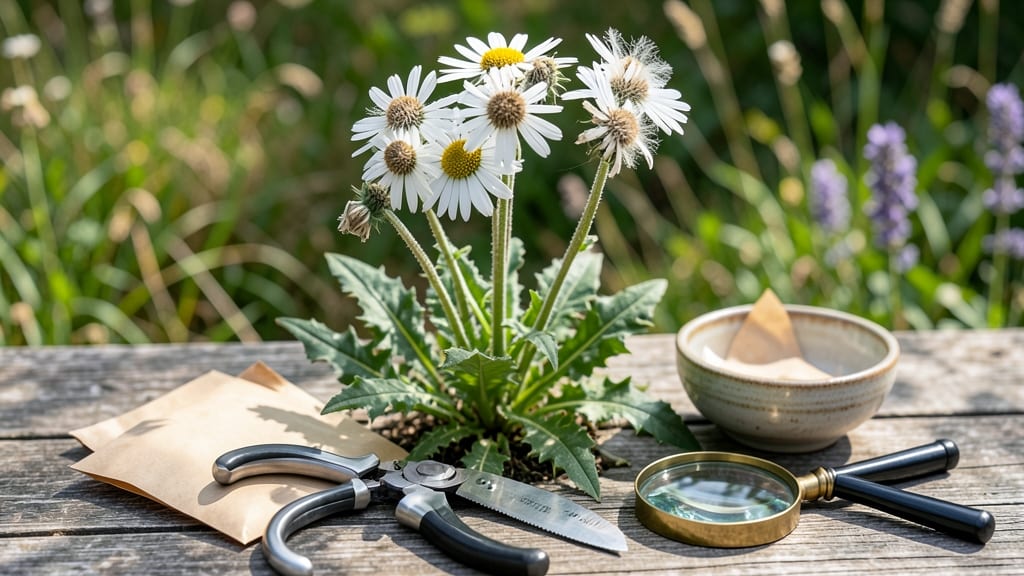
Those fluffy white daisies hiding seeds you can save for next year. 🌻 I’ve collected seeds from my garden’s oxeye daisies for years, and it’s the easiest way to get free plants without buying new ones.
The process takes less than an hour and turns last year’s blooms into next season’s star performers.
You’ll need just three things: dried daisy seed heads, a paper bag, and a sunny windowsill. Wait until the flower heads turn brown and dry—usually late summer to early fall—and then gently rub the seeds into the bag. No fancy tools, no special skills, just patience for nature’s timing.
Once dry, store the seeds in a cool, dark place for up to two years. When ready to plant, scatter them in well-draining soil and water lightly. Germination happens fast, and you’ll have cheerful daisies popping up within weeks—no digging, no fuss.
Works for oxeye, African, and most perennial daisies. The key is letting the seed heads fully mature before harvesting. Now you’ve got a self-sustaining garden that keeps giving back.
📚 In This Guide
- What you need
- Instructions
- Tips and common mistakes
- Wrapping up and next steps
What you need
- ● Mature daisy plants – Choose healthy, fully bloomed daisies (like Gerbera, Oxeye Daisy, or Shasta Daisy) with seed heads that have turned brown and dry. 🌼
- ● Scissors or pruning shears – A sharp pair to cleanly snip seed heads without damaging the plant.
- ● Paper bags or brown paper lunch bags – At least 2-3 bags (one per type of daisy if collecting multiple varieties).
- ● Newspaper or cardboard – A flat surface to lay out seed heads for drying.
- ● Small envelopes or seed packets – 1-2 per daisy type, labeled with the variety name and date.
- ● Permanent marker – For labeling your seeds clearly.
- ● Drying location – A warm, dry, and well-ventilated spot (like a garage or shed) with indirect sunlight.
- ● Glass jars with lids – For long-term seed storage (ensure they’re airtight and labeled).
- ● Desiccant packets – To keep moisture out of storage containers.
- ● Magnifying glass – For inspecting seeds for pests or damage before storage.
- ● Twine or rubber bands – To bundle seed heads together for easier drying.
- ● Notebook – To jot down notes on growing conditions, bloom times, or seed viability.
Step-by-Step instructions for harvesting daisy seeds
Here's how to collect and save daisy seeds—simple, hands-on, and perfect for next season's garden.
🌱 Step 1: Identify and Select Healthy Daisy Heads
Wait until daisy flowers have fully bloomed and the petals begin to wilt back naturally—this signals the seed center is mature. Look for heads that are still upright but no longer producing vibrant petals. I avoid heads with signs of pest damage or fungal spots, as those seeds may not germinate well.
Gently grasp the base of the dried flower head with one hand while supporting the stem with the other. Twist or pinch the stem just above where the flower meets it. This prevents the head from breaking off and ensures you get the whole seed cluster. Place the collected heads in a paper bag or envelope to keep them dry.
🌿 Step 2: Dry the Seed Heads Properly
Spread the collected daisy heads out on a clean, dry surface in a well-ventilated area. I like to use a baking sheet lined with parchment paper or a flat cardboard box. Leave them in a spot with indirect sunlight for 7-10 days—this allows the seeds to fully dry and detach from the flower head.
Check daily for moisture. If you notice any dampness or mold, spread them out again or move them to a drier location. The seeds are ready when they easily separate from the flower head with a gentle shake or rub between your fingers. You'll see tiny, brown, papery seeds inside.
💧 Step 3: Extract and Clean the Seeds
Once the flower heads are completely dry, place one head in a small bowl or plate. Hold the head over the bowl and gently rub the seeds between your fingers or use a fork to scrape them out. The seeds will fall into the bowl while the dried flower parts stay behind. Repeat this process for all collected heads.
To clean the seeds, spread them out on a clean sheet of paper or a fine mesh screen. Use a soft brush or your fingers to remove any remaining chaff or debris. Store the seeds in a paper envelope or small glass jar in a cool, dry place. Label the container with the daisy variety and the date of collection.
⏰ Step 4: Store Seeds for Future Planting
Place the labeled container of seeds in a dark, cool spot—like a pantry or basement—where the temperature stays between 40-50°F. Daisy seeds can remain viable for 1-2 years if stored properly, though they often germinate best when used within the first year.
Check the seeds periodically for signs of moisture or pests. If you notice any dampness, transfer them to a new container with a desiccant packet to absorb excess moisture. When it's time to plant, simply sprinkle the seeds on prepared soil and lightly cover them with a thin layer of soil. Keep the soil moist until germination occurs.
Tips & tricks for perfect daisy seed harvesting
Here's what nobody tells you about making sure your daisy seeds stay viable and ready for next spring.
Timing Secret: The 7-10 day drying period is non-negotiable—this is when the seeds fully mature and detach naturally. I've learned the hard way that rushing this step leads to damp seeds that won't store properly. Place your drying trays in a spot with good airflow, like near an open window or under a small fan. This prevents mold while maintaining the ideal drying conditions. If your climate is particularly humid, you might need to extend the drying time by an extra 2-3 days.
Selection Tip: Pay close attention to Step 1 when choosing your daisy heads. The seeds from heads that are still slightly green or have any signs of wilting won't store well. I look for heads that have completely lost their petal color and feel dry to the touch. This ensures you're collecting seeds at their peak viability. Also, avoid heads that have been visited by bees or other pollinators—they might contain immature seeds that won't germinate properly.
Storage Wisdom: The 40-50°F storage temperature range is crucial for maintaining seed viability. I keep my seed collection in a small glass jar inside my refrigerator's crisper drawer, which stays around 42°F. If you don't have a cool spot, consider using a small insulated container with a thermometer to monitor the temperature. Remember, these seeds are living organisms—proper storage conditions make all the difference between next year's beautiful daisies and disappointing germination failures.
Pro Tips for Get Seeds From Daisies
- Here's what nobody tells you about making sure your daisy seeds stay viable and ready for next spring.
- Timing Secret: The 7-10 day drying period is non-negotiable—this is when the seeds fully mature and detach naturally.
- Selection Tip: Pay close attention to Step 1 when choosing your daisy heads.
Frequently asked questions
Got questions about harvesting daisy seeds? You’re not alone! Here are some of the most common concerns—and their easy answers—to help you master the process like a pro.
When is the best time to collect daisy seeds?
Harvest seeds when the flower heads turn brown and dry, usually 4–6 weeks after blooming. This signals they’re mature and ready for collection. Avoid picking seeds too early—they won’t store well, and late harvests risk scattering on the wind. Check daily in late summer or early fall for the perfect timing!
Can I save seeds from store-bought daisies?
It depends! If the daisy is a heirloom or open-pollinated variety, you can save seeds. However, many hybrid or F1 daisies (like those from big-box stores) won’t produce true-to-type offspring. For reliable results, opt for seeds from local nurseries or trusted growers labeled as "seed-saving friendly."
How long can I store daisy seeds before planting?
Properly dried and stored seeds last 1–3 years in a cool, dark place (like a sealed jar in the fridge). For best germination, use them within 6–12 months. Test viability by planting a few seeds—if they sprout, the rest are good to go!
What if birds or squirrels eat my seeds before I collect them?
Don’t worry—this happens to everyone! Cover flower heads with mesh bags or paper bags once they dry to block critters. Alternatively, harvest seeds in the early morning when wildlife is less active. If you’re late, shake seeds onto a tarp below the plant to catch any fallen treasures.
Can I grow daisies from seeds I find in my lawn?
Maybe! Wild or "weedy" daisies (like Oxeye Daisy) often produce viable seeds, but cultivated varieties may not. If you’re unsure, try planting a few seeds—you might get a surprise mix of colors or types. For guaranteed results, stick to seeds from known sources!
Wrapping up and next steps
Getting seeds from daisies is a simple, rewarding way to ensure your garden stays vibrant for years to come! With just a few basic tools and a little patience, you can harvest, dry, and store seeds effortlessly.
Whether you're a beginner or a seasoned gardener, this natural method keeps your blooms thriving without breaking the bank.
Now that you’re ready to save seeds, why not plant them this fall? Try experimenting with different varieties or even gifting seeds to fellow gardening enthusiasts. Happy growing! 🌱✨