
Blooming
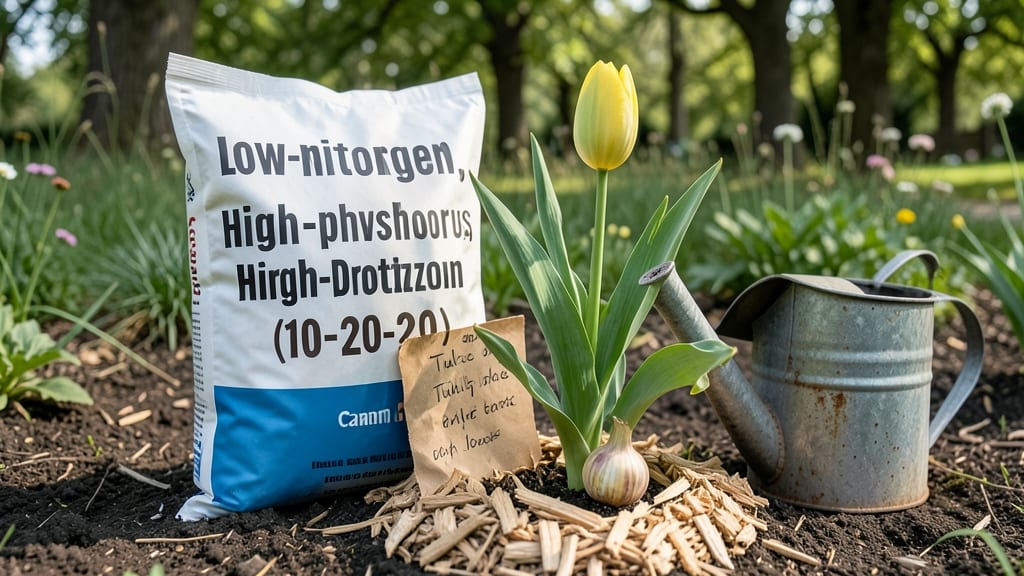
How to get tulips to rebloom—here’s the secret: they can bloom twice a year with the right care. 🌷 The trick lies in deadheading, feeding, and protecting those bulbs through summer’s heat, not just spring’s showstopper display. Most gardeners stop there, but with the right care, you’ll get a second wave of blooms that rivals the first.
Start by cutting spent blooms at the base—not above the leaves—and fertilize with a balanced bulb food after flowering. Keep the foliage until it yellows naturally; those leaves feed next year’s blooms. Water consistently but avoid soggy soil, and mulch around the base to shield bulbs from summer’s drying heat.
By next spring, you’ll see stronger stems and more buds, with a second bloom appearing in late summer if you’ve been diligent. The key is patience: bulbs need time to recharge, but with proper care, they’ll reward you with two stunning displays instead of one.
This method works for Darwin Hybrid and Fosterian tulips best, though even standard types may surprise you. Troubleshooting? Check your soil—too much nitrogen or poor drainage can stall reblooming. Let’s get those tulips performing their magic twice a year.
📚 In This Guide
- What you need
- Instructions
- Tips and common mistakes
- Wrapping up and next steps
What you need
- ● Pruning shears or sharp garden scissors – Sterilized and sharp for clean cuts (avoid dull tools that crush stems!).
- ● Balanced, slow-release fertilizer (e.g., 10-10-10 or 5-10-10) – 1–2 tablespoons per plant (follow package instructions).
- ○ Compost or well-aged manure – 1–2 cups per plant (optional but boosts soil nutrients).
- ● Mulch (straw, shredded leaves, or pine needles) – 2–3 inches thick to insulate roots and retain moisture.
- ● Watering can or hose with a gentle spray nozzle – For deep but controlled watering.
- ○ Gloves (optional but recommended) – Protects hands from thorns or soil-borne pathogens.
- ● A sunny spot with at least 6 hours of direct sunlight daily (tulips crave light!).
- ● Well-draining soil – Tulips hate soggy roots! Amend clay soil with compost or perlite if needed.
- ● Patience – Reblooming takes 1–2 seasons of proper care (but oh, the payoff!).
- ● Epsom salt (magnesium sulfate) – 1 tablespoon dissolved in a gallon of water (spray foliage post-bloom for a nutrient boost).
- ● Bone meal or bulb fertilizer – Sprinkle 1 tablespoon per plant in early spring for extra energy.
- ● Plant supports (stakes or cages) – If your tulips are top-heavy or in windy areas.
Step-by-Step instructions for getting tulips to rebloom
Here's how I coax tulips into a second showstopping season—no magic, just smart care.
🌱 Step 1: Deadhead Properly After First Bloom
Once your tulips finish flowering, snip the spent blooms just above the top two sets of leaves with clean pruners. This prevents seed production, which drains energy the bulbs need for next year's blooms. I always use sterilized tools to avoid introducing diseases that could weaken the plant.
Don't remove the entire flower stem—leaving those top leaves photosynthesize and feed the bulb. You'll see the foliage turn yellow naturally after about 6-8 weeks. This is your signal to stop watering, as the bulbs need to enter dormancy with stored energy.
✂️ Step 2: Prune Foliage at the Right Time
Wait until the leaves turn completely yellow and begin to wither before cutting them back. This process, called "leaf senescence," is crucial for bulb replenishment. I usually prune in late June or early July, depending on my climate zone.
Cut the foliage down to about 2 inches above ground level—never pull or yank it. This prevents disturbing the bulb and ensures it stores maximum nutrients. If you remove leaves too soon, the bulb won't bloom again next year because it won't have enough reserves.
💧 Step 3: Water and Fertilize Strategically
After flowering, water your tulips deeply once a week until the foliage yellows. This keeps the soil moist but not soggy, encouraging strong bulb development. I use a soaker hose to deliver water directly to the roots without wetting the leaves, which helps prevent fungal diseases.
In early fall, about 6-8 weeks before your first frost, apply a balanced bulb fertilizer (like 10-10-10) around the base of the plants. This gives the bulbs a nutrient boost before dormancy. Avoid high-nitrogen fertilizers—they promote leaf growth at the expense of flower production.
☀️ Step 4: Provide Consistent Light and Mulch
Tulips need full sun to partial shade—at least 6 hours of direct sunlight daily. If your tulips are in a shady spot, they may not rebloom because they won't have enough energy. I always plant mine where they get morning sun and afternoon shade in hotter climates.
After the foliage dies back, apply a 2-inch layer of mulch around the plants. This protects the bulbs from extreme temperature fluctuations and keeps the soil moist. I use shredded bark or straw mulch because it breaks down slowly and improves soil structure over time.
⏰ Step 5: Wait and Observe for Next Year's Blooms
Reblooming tulips often produce smaller flowers the second time around, but they're just as beautiful. You'll know your efforts paid off when you see new flower buds forming in late summer or early fall. These buds develop underground and will push through the soil next spring.
If your tulips don't rebloom the first year, don't worry—it can take 2-3 seasons of proper care for them to consistently produce two sets of flowers. I've found that tulips like 'Darwin Hybrid' and 'Fosteriana' are the most reliable rebloomers, so if you're starting fresh, choose those varieties for better results.
Tips & tricks for perfect tulip reblooms
These small adjustments make all the difference between tulips that bloom once and ones that come back year after year.
The Timing Secret: In Step 1, don't wait for the blooms to completely wilt before deadheading—act the moment petals start drooping. I've seen tulips that bloomed beautifully the first year but never returned because I waited too long. That 1-inch cut above the first set of leaves is crucial; it redirects energy from seed production to bulb storage. Use sharp pruners to make clean cuts that won't damage the stem.
Leaf Longevity Strategy: The 6-8 weeks you leave those yellowing leaves in Step 2 is non-negotiable for reblooming success. I've tried cutting leaves early to "tidy up" and ended up with tulips that never returned. Test leaf readiness by gently tugging—if they pull away easily from the base, they're done. This natural yellowing process is when the bulbs store maximum energy for next year's blooms.
Watering Wisdom: That 1-2 times per week watering in Step 3 needs careful attention. I check soil moisture by sticking my finger 1 inch deep—if it feels dry, that's when to water. The key is consistent moisture without soggy soil. Overwatering leads to bulb rot, while underwatering stresses the plant. A moisture meter can help if you're unsure, especially in containers where water drains quickly.
Sunlight Solution: For tulips in partial shade, supplement with a grow light for 4-6 hours daily during their active season. I've had great success with LED grow lights placed 12 inches above the plants. This extra light boosts energy production in the leaves, giving your bulbs the power they need to rebloom. Just don't overdo it—tulips still need their winter dormancy period in darkness.
Pro Tips for Get Tulips To Rebloom
- These small adjustments make all the difference between tulips that bloom once and ones that come back year after year.
- The Timing Secret: In Step 1, don't wait for the blooms to completely wilt before deadheading—act the moment petals start drooping.
- Leaf Longevity Strategy: The 6-8 weeks you leave those yellowing leaves in Step 2 is non-negotiable for reblooming success.
Frequently asked questions
Got questions about getting your tulips to rebloom? You’re not alone! Here are some of the most common queries—and their answers—to help you master the art of repeat blooms.
Why won’t my tulips rebloom after the first year?
Tulips often skip reblooming in their first year because they’re focusing energy on establishing roots. Darwin Hybrid and Fosteriana varieties are more likely to rebloom, but even then, they need proper care: consistent watering, balanced fertilizer, and deadheading after the first bloom. Patience is key—some tulips take 2–3 years to reliably rebloom!
When should I deadhead tulips to encourage reblooming?
Deadhead tulips immediately after the first bloom fades (but before the seed pod forms). Use clean pruners to snip the stem just above the first set of leaves. Don’t wait! Leaving spent blooms can drain energy from the bulb, reducing the chances of a second round. Time it right, and you’ll see new buds forming in late summer or early fall.
What’s the best fertilizer for tulips to rebloom?
A balanced, slow-release fertilizer (like 10-10-10) applied in early spring and again after the first bloom promotes reblooming. For a boost, use a phosphorus-heavy fertilizer (e.g., 5-10-10) in late summer to encourage root and flower development. Pro tip: Avoid high-nitrogen fertilizers—they’ll give you lush leaves but fewer blooms!
Do tulips need a cold period to rebloom?
Yes! Tulips are perennial but need a cooling period (40–50°F for 6–8 weeks) to trigger reblooming. In warm climates, mimic winter by storing bulbs in a fridge (non-freezing section) for 8–10 weeks before replanting. This trick works wonders for forcing second blooms in zones 8–10.
Can I force tulips to rebloom indoors?
Forcing tulips indoors for reblooming is tricky but possible! After the first outdoor bloom, dig up the bulb, trim the stem to 4–6 inches, and pot it in fresh soil. Place it in a cool, dark spot (like a fridge) for 8–12 weeks, then move it to bright light. With patience, you might coax a second bloom—but expect smaller flowers. Best varieties for forcing: Parrot or Double Late tulips.
Wrapping up and next steps
Getting your tulips to rebloom is all about patience, care, and a little extra effort!
With the right pruning, fertilizing, and deadheading techniques, you can enjoy those vibrant blooms year after year. 🌸 Start small—pick one or two plants to experiment with—and soon, your garden will be bursting with color again!
Ready to take the next step? Monitor your tulips closely after each season, adjust your approach as needed, and soon, reblooming will feel like second nature. Happy gardening!