
Propagation
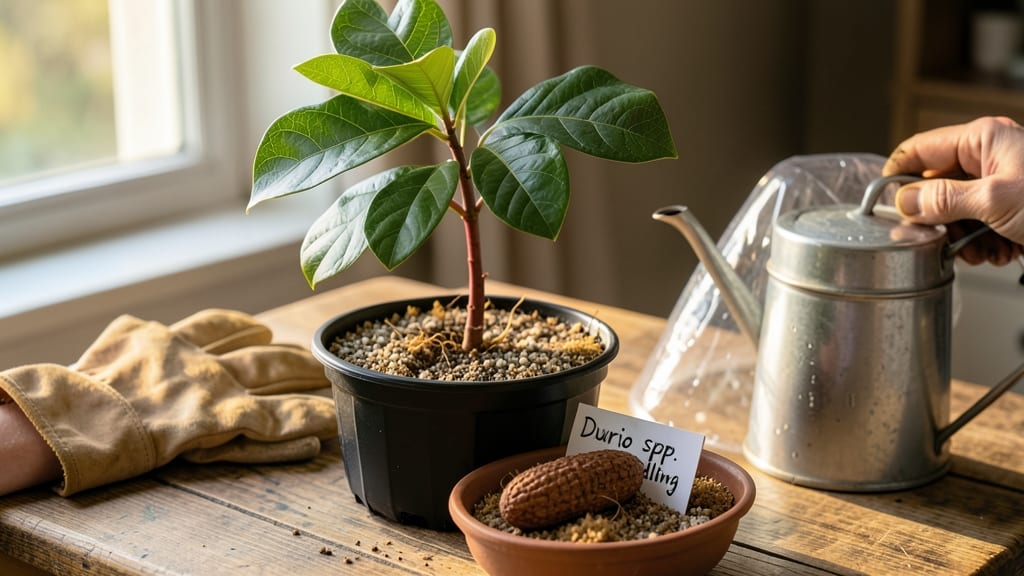
How to grow durian from seed is a patient gardener’s dream—imagine starting with a single seed and nurturing it into a tree that produces the world's most coveted fruit. 🌱 The journey takes years, but the reward of that first creamy, custard-like fruit makes every step worth it. Unlike buying a grafted tree, starting from seed gives you the raw, unfiltered experience of watching a durian tree grow from scratch in your own climate.
First, you'll need a few key things: fresh durian seeds (the fresher, the better), a warm spot with consistent humidity, and a deep container or pot for the seedling's early years.
Durian seeds germinate best in tropical or subtropical climates—think Florida, Hawaii, or Southeast Asia—where temperatures stay above 60°F year-round.
The soil should be well-draining but rich in organic matter, and you’ll need to be ready for a slow start, as durian trees can take 5-10 years to bear fruit after germination.
Once you crack open that seed, you’ll plant it just below the soil surface in a moist, warm environment, keeping it consistently damp but never soggy. Within 2-4 weeks, you should see the first signs of life—a tiny sprout pushing through the soil.
This is where the real adventure begins: providing the right balance of sunlight, water, and care as your seedling grows into a sturdy sapling. The trick is patience and consistency, as durian trees are sensitive to cold, drought, and poor soil conditions.
By the time your sapling reaches 3-5 feet tall, you’ll need to transplant it into the ground—or a much larger container if you’re growing in a pot.
This is where the real magic happens: with proper care, your durian tree could one day produce fruit that smells like onion and tastes like heaven. Just remember, durian trees are notoriously slow growers, but the journey is half the fun. Ready to start your tropical tree adventure?
📚 In This Guide
- What you need
- Instructions
- Tips and common mistakes
- Wrapping up and next steps
What you need
- ● Durian seeds: 3–5 fresh, plump seeds (harvested from a ripe durian, ideally within 24 hours of purchase).
- ● Biodegradable seedling pots or small containers: 3–5 (4–6 inches in diameter) with drainage holes. Tip: Use coconut coir pots for easy transplanting!
- ● Well-draining potting mix: A blend of 50% peat moss or coco coir, 30% perlite, and 20% sand or vermiculite. Pro tip: Avoid heavy clay soil—durian roots need aeration!
- ● Watering can or spray bottle: For gentle hydration (overwatering is the #1 killer of young seedlings!).
- ○ Humidity dome or plastic wrap: To maintain moisture during germination (optional but highly recommended).
- ● Fertilizer (balanced, water-soluble): 10-10-10 NPK ratio (diluted to half-strength) for seedlings. Start after 4–6 weeks.
- ● Sunlight access: A warm, bright spot (direct sunlight for 4–6 hours daily once seedlings sprout).
- ● Pruning shears: Small, sharp pair for trimming excess growth or dead leaves.
- ● Grow lights: LED full-spectrum bulbs for seedlings if natural light is limited.
- ○ Rooting hormone: To boost germination speed (optional but useful for stubborn seeds).
- ● Mulch (wood chips or straw): To retain soil moisture and regulate temperature.
- ● pH test kit: Ideal soil pH for durian: 5.0–6.5 (slightly acidic).
- ● Support stake or trellis: For young saplings (durian trees can grow tall quickly!).
- ● Pest control (neem oil or insecticidal soap): Preemptive measure against aphids or mites.
Step-by-step instructions for growing durian trees from seed
Here's how to nurture a durian tree from seed to sapling—with patience and the right tropical conditions.
🌱 Step 1: Extract and Prepare the Durian Seed
Start by carefully removing the seed from a ripe durian fruit. The seed is the large, brown nut inside the spongy flesh—save the whole seed, as it's the only part you'll need. Rinse it thoroughly under running water to remove any remaining pulp, which can attract mold. Let it air-dry completely for 24 hours in a well-ventilated area, turning it occasionally to ensure even drying.
While the seed dries, prepare a small container with well-draining potting mix (a blend of coconut coir, perlite, and a touch of sand works best). Durian seeds germinate best in a warm, humid environment—think 75-85°F and 70-80% humidity. If your climate doesn’t naturally provide these conditions, a seedling heat mat and a humidity dome will help mimic the tropical environment the seed needs to sprout.
💧 Step 2: Plant the Seed and Maintain Moisture
Plant the dried seed 1 inch deep in the prepared potting mix, pressing gently but firmly to ensure good soil contact. Water lightly until the soil feels evenly moist but not soggy—durian seeds rot quickly if overwatered. Place the container in a warm, shaded spot (direct sunlight can dry out the seed too quickly before germination begins).
Germination can take 2-4 weeks, depending on temperature and humidity. You’ll know it’s working when you see a small sprout emerge from the soil. At this stage, keep the soil consistently moist—not dripping wet, but never allowed to dry out completely. A spray bottle helps maintain humidity without overwatering. If condensation forms on the humidity dome, lift it briefly to allow airflow and prevent fungal growth.
☀️ Step 3: Transition to Light and Larger Containers
Once the seedling reaches 3-4 inches tall and develops its first true leaves (not the initial seed leaves), it’s time to introduce it to bright, indirect light. Gradually move it to a spot with 4-6 hours of morning sun to avoid leaf scorch. Durian seedlings are sensitive to sudden light changes, so increase exposure slowly over 7-10 days.
Repot the seedling into a 5-inch container with fresh potting mix when it outgrows its initial container. Choose a pot with drainage holes to prevent root rot. Handle the seedling gently—durian roots are delicate and can break easily. After repotting, water thoroughly and place the seedling back in its sunny spot. Fertilize lightly with a balanced, water-soluble fertilizer (diluted to half strength) to encourage steady growth.
🌿 Step 4: Foster Strong Growth for Fruit Production
By the time your durian seedling is 1-2 years old, it should be in a 10-15 gallon container or planted in the ground (if you live in a tropical or subtropical climate). Durian trees thrive in USDA zones 10-11 and need full sun (6+ hours daily) to produce fruit. If you’re growing indoors, supplement with a grow light to ensure the tree gets enough light for healthy development.
Prune the seedling lightly to encourage a strong, branching structure. Remove any yellow or damaged leaves immediately to prevent pests. Durian trees are heavy feeders—apply a slow-release fertilizer every 2-3 months during the growing season (spring and summer). Water deeply once a week, allowing the top 2 inches of soil to dry out between waterings to mimic the tree’s natural tropical rainfall patterns.
⏰ Step 5: Patience for Fruit (A Long-Term Commitment)
Here’s the reality check: durian trees grown from seed won’t produce fruit for 10-15 years. That’s right—this isn’t a quick harvest. However, you can speed up the process slightly by grafting a fruiting variety onto your seedling once it’s 3-5 years old, but even then, fruit production may take 5-7 more years. Focus on nurturing a strong, healthy tree now—thick trunk, lush foliage, and vigorous growth—and it will reward you eventually with those coveted durians.
If you’re growing outdoors, protect young trees from strong winds and frost. Mulch around the base with 2-3 inches of organic mulch to retain moisture and regulate soil temperature. Monitor for pests like aphids or scale insects, which can stress young durian trees. A neem oil spray applied every 4-6 weeks keeps pests at bay naturally.
Tips & tricks for perfect durian tree growth from seed
These insider tricks will help you navigate the quirks of growing durian from seed like a pro.
Seed Viability: Don't assume all seeds are viable just because they look healthy. Test viability by placing seeds in a glass of water—they should sink immediately. If they float, they're likely non-viable. The 24-hour planting window is critical: seeds left longer than this often fail to germinate, even with perfect conditions.
Germination Environment: The 75-85°F soil temperature range is non-negotiable for germination. If your home stays cooler, place the pot on a seedling heat mat or near a sunny window with supplemental warmth. I've found that maintaining consistent humidity under the plastic dome (without letting it touch the soil) creates the perfect microclimate. Check soil moisture daily—soggy conditions cause rot, while dry soil halts germination.
Light Transition: When moving seedlings to grow lights in Step 3, start with 12 hours of light but keep them 10-12 inches away initially. Gradually lower the lights to 6-8 inches over 3-4 days as the plants acclimate. The first true leaves should be glossy and dark green—if they appear yellow or dull, increase light intensity or check for nutrient deficiencies. Rotating pots weekly isn't just about straight growth; it helps prevent leaves from growing toward one light source.
Pro Tips for Grow Durian From Seed
- These insider tricks will help you navigate the quirks of growing durian from seed like a pro.
- Seed Viability: Don't assume all seeds are viable just because they look healthy.
- Germination Environment: The 75-85°F soil temperature range is non-negotiable for germination.
Frequently asked questions
Growing durian from seed is exciting but comes with its share of curiosity! Here are answers to some of the most common questions to help you navigate your tropical tree journey with confidence.
How long does it take for a durian seed to sprout?
A durian seed typically sprouts within 2–4 weeks if kept in warm, moist conditions. Patience is key—some seeds may take up to 6–8 weeks, especially if stored improperly before planting. Keep the soil consistently damp (not soggy) and maintain temperatures above 70°F (21°C) for best results.
When will my durian tree produce fruit?
Durian trees grown from seed are slow fruit producers—expect fruit in 10–15 years (or longer!). Grafted trees mature faster (5–7 years), but seed-grown trees may take decades. Focus on nurturing a healthy tree first; fruit production depends on climate, care, and luck!
Can I grow a durian tree indoors?
Durian trees thrive outdoors in tropical climates but struggle indoors long-term. They need 12+ hours of sunlight daily, high humidity, and space to grow (30+ feet tall!). Start indoors in a sunny window, but transplant outdoors as soon as possible. A greenhouse or large patio works temporarily, but expect limited growth.
Why is my durian seed rotting or moldy?
Overwatering or poor drainage is the usual culprit. Durian seeds need moist (not wet) soil and a well-draining mix. If mold appears, reduce watering, improve airflow, and consider repotting in fresh, sterile soil. Pro tip: Use a seedling tray with holes to prevent waterlogging.
What’s the best climate for growing durian from seed?
Durian trees love tropical climates with:
- Year-round warmth (68–95°F / 20–35°C)
- High humidity (70%+)
- Heavy rainfall or regular watering
- No frost—even light chills can kill the tree.
Wrapping up and next steps
Growing durian from seed is a rewarding journey that blends patience, care, and a touch of tropical magic! 🌱 While it may take years for your tree to bear fruit, every step—from germination to nurturing young saplings—is a chance to connect with nature’s wonders. Start small, stay consistent, and soon you’ll be enjoying the sweet (or stinky!) fruits of your labor.
Ready to take the next step? Share your progress with fellow plant enthusiasts, experiment with different growing conditions, or even explore grafting techniques to speed up fruiting. Happy growing! 🌴✨