
Propagation
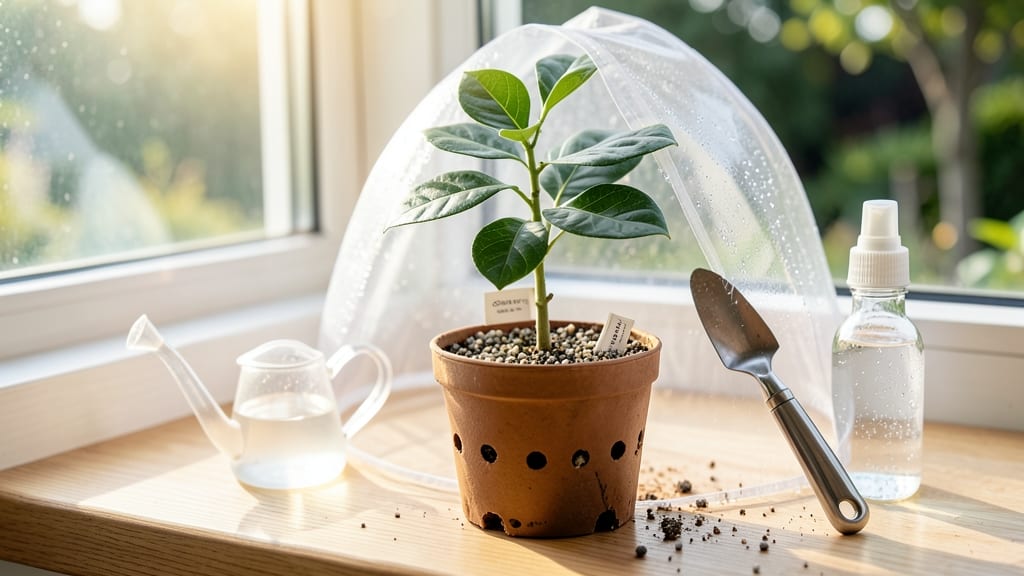
Growing key lime trees from seed feels like bringing a tiny piece of Florida to your backyard. 🌱 The journey starts with a single seed—one that could grow into a tree bearing those bright, tart fruits in just a few years (yes, it takes patience, but the payoff is worth it).
I’ve grown mine from grocery store seeds, and while it’s a slow process, there’s something magical about nurturing a citrus tree from scratch.
The secret to success lies in mimicking the warm, humid conditions key limes love. You’ll need a heat mat to keep those seeds cozy, a well-draining soil mix, and plenty of sunlight once they sprout.
Most seeds germinate in 4-8 weeks, but don’t rush—let them grow strong before transplanting. I’ve seen seedlings struggle when moved too soon, so take your time with this step.
By the time your tree reaches 3-5 feet tall, you’ll start seeing real growth—thicker stems, glossy leaves, and maybe even the first hint of blossoms. It’s a slow burn, but every stage feels like progress.
The best part? These trees thrive in containers, making them perfect for patios or small yards. Just be ready for the wait—fruit won’t appear for 3-5 years, but the journey is half the fun.
Fair warning: Key limes are finicky about cold, so if you live in a chilly climate, keep your tree indoors during winter. I’ve had mine survive winters in pots by moving them near a sunny window.
The key is consistency—water when the top inch of soil dries out, and fertilize lightly in spring. With the right care, you’ll have a tree that’s as rewarding to grow as it is to harvest.
📚 In This Guide
- What you need
- Instructions
- Tips and common mistakes
- Wrapping up and next steps
What you need
- ● Key lime seeds – 3–5 fresh, plump seeds (harvested from ripe fruit).
- ● Small pots or seed trays – 3–4 inches deep, with drainage holes (biodegradable pots work too!).
- ● Well-draining potting mix – A blend of peat moss, perlite, and sand (or a citrus-specific mix).
- ● Plastic wrap or humidity dome – To retain moisture while seeds germinate.
- ● Spray bottle – For gentle watering (avoid over-saturating).
- ● Grow lights or sunny windowsill – Key limes thrive in bright, indirect light (6+ hours/day).
- ○ Fertilizer (optional but helpful) – A balanced citrus fertilizer (5-5-5 NPK ratio) once seedlings sprout.
- ● Tweezers or toothpick – For carefully placing seeds in soil.
- ○ Heat mat (optional) – Speeds up germination (75–85°F is ideal).
- ● Larger container or garden bed – For transplanting once seedlings grow 6+ inches.
- ● Pruning shears – For shaping the tree as it matures.
- ○ Mulch (optional) – Helps retain moisture and regulate soil temperature.
Step-by-Step instructions for growing key lime trees from seed
Here's how to turn a single seed into a thriving citrus tree with minimal fuss.
🌱 Step 1: Extract and Prepare the Seeds
Cut open a fresh key lime (the ones with thick rinds work best) and scoop out the seeds, leaving the sticky pulp intact. Rinse them gently under cool water to remove excess fruit residue. I like to soak the seeds in a glass of water for 24 hours—this softens the outer coating and speeds up germination. Place the glass in a warm spot, like near a sunny window or on top of the fridge.
After soaking, drain the water and let the seeds air-dry for 30 minutes on a paper towel. This prevents mold when you plant them. Here's the thing—key lime seeds germinate best when fresh, so use them within 2 weeks of extraction. The longer they sit dry, the lower your success rate becomes.
🪴 Step 2: Plant the Seeds in Moist Potting Mix
Fill small 3-4 inch pots with a well-draining potting mix (avoid garden soil—it's too dense). Press the mix down lightly to create a firm planting surface. Plant 2-3 seeds per pot about ½ inch deep, spacing them evenly. Cover them with a thin layer of mix and mist gently with water until the surface feels damp but not soggy.
Place the pots in a warm, humid environment—I use a clear plastic bag secured with a rubber band to create a mini greenhouse. Set them in a spot with bright, indirect light (no direct sun yet). The ideal temperature for germination is 75-85°F. You'll see tiny sprouts in 7-14 days, but don't be surprised if it takes up to 3 weeks—patience is key here.
☀️ Step 3: Transplant and Provide Optimal Light
Once seedlings reach 3-4 inches tall and develop 2-3 true leaves (not just the initial seed leaves), it's time to transplant. Choose 5-6 inch pots and fill them with the same potting mix. Gently remove one seedling at a time, keeping the root ball intact, and place it in the center of the new pot. Fill around the roots with mix and press lightly to secure.
Move the pots to a sunny window or under grow lights for 12-14 hours daily. Key lime trees love full sun, but young seedlings need to adjust gradually. You'll notice the leaves darken and the stems thicken as they strengthen. Water when the top inch of soil feels dry, but avoid letting the roots sit in water—root rot is the #1 killer of young citrus.
💧 Step 4: Care for Growing Seedlings
Fertilize every 4-6 weeks with a balanced citrus fertilizer (look for one with equal NPK ratios, like 6-6-6). I dilute it to half-strength the first few times to avoid burning tender roots. Keep the soil consistently moist but not waterlogged—citrus trees hate soggy feet. In winter, reduce watering slightly, but never let the soil dry out completely.
Watch for pests like aphids or spider mites, especially if you bring the plants indoors during cold months. A quick spray with neem oil usually clears them up. Here's the moment that matters: when your seedlings hit 12-18 inches tall, you can consider them "teenagers"—they're tougher but still need gentle care. Prune any leggy growth to encourage bushier growth, and pinch back the tips to promote branching.
⏰ Step 5: Prepare for Outdoor Planting (When Ready)
Key lime trees thrive in USDA zones 9-11, but you can grow them in containers almost anywhere. Once your seedlings are 1-2 years old and at least 2 feet tall, they can handle outdoor life. Start by placing them outside in a sheltered spot for 1-2 hours the first day, gradually increasing their time outdoors over 1-2 weeks. This process is called "hardening off," and it prevents shock.
If you live in a colder climate, keep your key lime tree in a large pot and bring it indoors near a sunny window during winter. The tree will go dormant, so reduce watering and fertilizing until spring. With patience, your seedling will grow into a fruit-bearing tree in 5-7 years—though it may take longer for it to produce limes if grown from seed (unlike grafted trees).
Tips & tricks for growing key lime trees from seed
These simple strategies will help you maximize your success with tropical citrus—no green thumb required.
Seed Freshness Matters: The 2-week window after extraction is your best chance for high germination rates. I've found that seeds from limes stored in the fridge for more than a week often fail to sprout. If you're saving seeds, store them in a sealed container with a damp paper towel at the bottom in the fridge—this keeps them viable for up to 2 months. The longer they sit dry, the tougher their outer coating becomes, making germination harder.
Humidity Hack: That plastic bag greenhouse in Step 2 works wonders, but here's what nobody tells you—don't let it sit directly on the seeds. Prop it up slightly so air can circulate, or you'll risk mold. I use a small piece of cardboard under the pot to create space. Also, check the humidity daily by lifting the bag: if condensation forms, you're good. If it's dry inside, mist the soil lightly and reseal.
Transplanting Technique: When you're ready to move your 3-4 inch seedlings to 5-6 inch pots, here's the secret: water the seedlings thoroughly the day before transplanting. This makes the roots more pliable and reduces shock. As you remove them, gently squeeze the sides of the pot to loosen the root ball—don't pull by the stem! The goal is to keep as much soil intact as possible while preventing root damage.
Light Transition Strategy: Moving seedlings to full sun in Step 3 can be tricky. Start by placing them near a west-facing window where they'll get afternoon sun (less intense than midday). Gradually rotate the pots daily so all sides get even light exposure. I've seen seedlings develop uneven growth when kept in one spot—this rotation helps create a sturdy, balanced tree. Watch for yellowing leaves, which means they're getting too much sun too soon.
Pro Tips for Grow Key Lime From Seed
- These simple strategies will help you maximize your success with tropical citrus—no green thumb required.
- Seed Freshness Matters: The 2-week window after extraction is your best chance for high germination rates.
- Humidity Hack: That plastic bag greenhouse in Step 2 works wonders, but here's what nobody tells you—don't let it sit directly on the seeds.
Frequently asked questions
Got questions about growing key limes from seed? You’re not alone—this tropical citrus has a few quirks! Here are answers to the most common concerns to help you succeed.
How long does it take for a key lime seed to germinate?
Key lime seeds typically sprout in 2–4 weeks if kept warm (70–85°F) and moist. Place them in a sunny spot or use a seedling heat mat to speed things up. Patience is key—some stubborn seeds take up to 6 weeks!
Can I grow a key lime tree indoors, or does it need outdoor conditions?
Yes! Start indoors in a pot with bright light (south-facing window or grow lights). Once established, move it outside in spring/summer for full sun. In winter, bring it back indoors if temps drop below 40°F—key limes are tropical and frost-sensitive!
Will my homegrown key lime tree actually produce fruit?
Seed-grown trees may take 3–5 years to bear fruit, and quality varies (some are sourer or smaller). For sweeter, reliable limes, graft a known variety onto your seedling later. Even if fruit is limited, the tree’s fragrant blossoms are worth it!
What’s the best way to protect my young key lime seedling from pests?
Watch for aphids, spider mites, or scale insects—common on citrus. Spray with neem oil or insecticidal soap weekly. Keep the soil moist (not soggy) to deter fungus gnats. A fine mesh screen over pots can block flying pests too!
Can I use key lime seeds from store-bought limes?
Store-bought key limes (or even regular limes) work, but check for freshness—seeds from dried-out fruit may not sprout. Rinse and dry seeds thoroughly before planting. Pro tip: Save seeds from organic limes to avoid chemical residue.
Wrapping up and next steps
Growing a key lime tree from seed is a rewarding journey that brings a taste of the tropics to your backyard! 🌱 With patience, proper care, and a little sunshine, you’ll soon enjoy fresh, tangy key limes straight from your own tree.
Whether you’re a beginner or a seasoned gardener, this project is a fun way to connect with nature and savor homegrown citrus.
Now that you’re equipped with the know-how, why not take the next step? Share your progress with fellow plant enthusiasts, experiment with grafting for faster fruit production, or even gift a seedling to a friend. Happy growing—and may your key lime tree thrive! 🍋✨