
Size
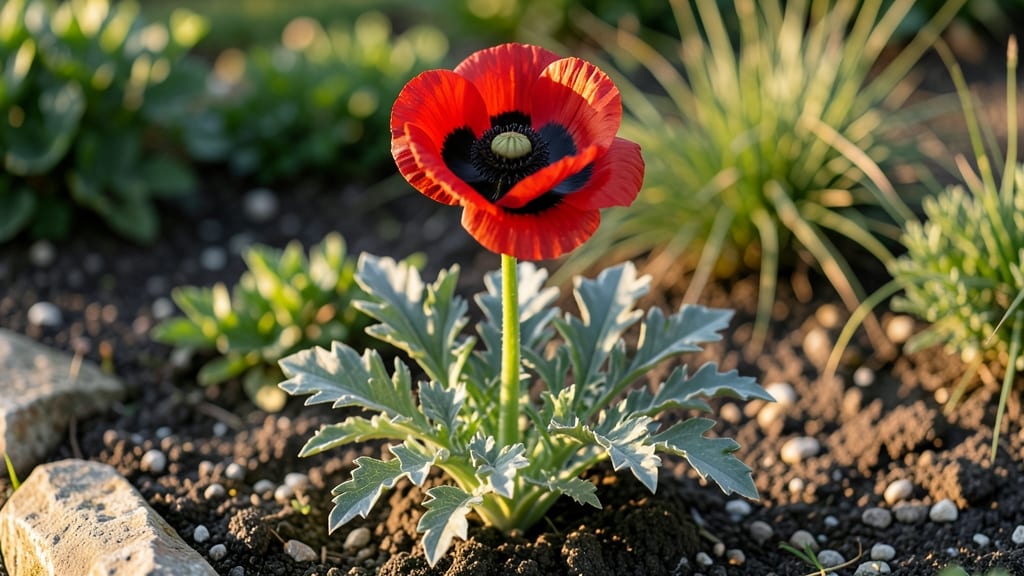
How to grow oriental poppies brings shockingly bold color to gardens with almost no effort. 🌸 I’ve grown them for years, and once you try them, you’ll never buy store-bought flowers again—they’re that dramatic.
Their deep red, pink, or orange blooms stand out against any backdrop, and they thrive where other perennials struggle.
The secret? Well-draining soil and full sun—no fancy tricks required. Plant seeds in early spring or fall (they hate transplanting), and give them space to spread. Water just enough to keep the soil moist but not soggy, and watch as those cup-shaped blooms emerge in late spring, lasting for weeks.
They even handle drought once established.
By summer, you’ll have a neighborhood-turning-heads display that needs almost no maintenance. The stems stay sturdy if you plant them in groups, and deadheading spent blooms encourages more flowers. Plus, they self-seed reliably, so your garden keeps getting prettier year after year.
Perfect for cottage gardens, borders, or even containers—just avoid heavy clay soil. Here’s how to get started without the usual poppy-growing headaches.
📚 In This Guide
- What you need
- Instructions
- Tips and common mistakes
- Wrapping up and next steps
What you need
- ● Seeds or nursery plants: Choose high-quality oriental poppy seeds or young plants from a trusted supplier. Quantity: 10-20 seeds (or 3-5 plants) for a small garden display.
- ● Well-draining soil: A mix of 60% garden soil, 30% compost, and 10% coarse sand or perlite (to prevent root rot). pH: 6.0–7.5 (slightly acidic to neutral).
- ● Sunlight: A full-sun location (6+ hours of direct sunlight daily). Partial shade may reduce flowering.
- ● Watering can or hose: With a gentle spray nozzle for even moisture distribution.
- ○ Mulch (optional but recommended): 2–3 inches of organic mulch (e.g., straw or shredded bark) to retain moisture and suppress weeds.
- ● Garden trowel (for planting seeds/transplants).
- ● Pruners or shears (for deadheading spent blooms and shaping plants).
- ● Gloves (to protect hands from thorny seed pods).
- ○ Stakes or cages (optional)—if your poppies grow tall (2–3 feet), lightweight supports can prevent flopping.
- ● Patience: Oriental poppies are biennials—they may take 2 years to bloom from seed.
- ● Cold tolerance: They thrive in USDA Zones 3–9 and can handle light frost.
- ● Low-maintenance mindset: Once established, they’re drought-tolerant and require minimal care!
Step-by-Step instructions for growing oriental poppies
Here's the straightforward method I've used for years—these poppies thrive with just a few key moves.
🌱 Step 1: Select the Perfect Planting Spot
Oriental poppies demand full sun—at least 6 hours daily—and well-draining soil. I always test drainage first by digging a 12-inch deep hole and filling it with water; if it doesn't drain within 2 hours, amend the soil with 20% coarse sand or perlite.
Choose a site with loose, rocky subsoil or slopes where water runs off quickly. These poppies hate soggy roots, which cause rot. If your soil is heavy clay, mix in 3 inches of compost and 1 inch of grit to improve aeration.
🌱 Step 2: Plant Seeds at the Right Time and Depth
Sow seeds outdoors in early fall (6-8 weeks before first frost) for best results. Cold stratification over winter improves germination rates. Plant seeds ½ inch deep in rows 12 inches apart—they won't transplant well once established.
Space individual seeds 6 inches apart to prevent overcrowding. Water gently after planting, but don't soak the soil—these seeds need moisture to soften their hard outer coating, but they rot if submerged. A light misting with a spray bottle works best.
☀️ Step 3: Provide Minimal Care Through Germination
Keep the soil surface consistently moist but never waterlogged. You'll see first true leaves in 3-4 weeks—they'll look like tiny, fuzzy maple leaves. Until then, water only when the top 1 inch of soil feels dry.
Thin seedlings to 12 inches apart when they reach 2 inches tall. I use small scissors to snip unwanted plants at soil level, leaving the strongest stem in each spot. This prevents competition and gives roots room to establish.
✂️ Step 4: Support and Prune for Maximum Blooms
Stake mature plants in late spring before buds form. Oriental poppies grow 2-3 feet tall with heavy blooms that flop without support. Use 3-foot bamboo stakes tied loosely with soft twine—tight bindings can damage stems.
Deadhead spent blooms immediately to redirect energy into new flowers. Cut stems back to the first set of healthy leaves rather than the base. I also remove any seed pods that form, as they signal the plant to stop flowering.
🌿 Step 5: Prepare for Dormancy and Next Season
After flowering, reduce watering and let foliage die back naturally. Oriental poppies are perennial in zones 3-8 but need winter protection in colder regions. Mulch with 2 inches of straw after the first frost to insulate roots.
In early spring, remove old mulch and trim dead stems to 1 inch above ground level. New growth will emerge from the base within 2-3 weeks. Fertilize lightly with 5-10-10 at this time to encourage robust flowering.
Tips & tricks for perfect oriental poppy cultivation
These subtle adjustments will transform your poppy patch from decent to show-stopping.
Soil Science Secret: The 2-hour drainage test in Step 1 is non-negotiable—Oriental poppies will literally drown if roots stay wet. I've seen them thrive in rocky, almost barren soil because they hate moisture more than they love nutrients. If your soil fails the test, mix in that 20% sand or perlite right where you're planting, not just in a general amendment. Poppies develop deep taproots that need aeration at depth.
Timing That Works: Those 6 hours of daily sun? That's non-negotiable, but here's the real trick: position your plants to catch morning sun first. The cooler morning light prevents the petals from scorching in afternoon heat. I've noticed my poppies last twice as long when planted on the east side of borders, even if they get the same total sunlight hours.
Germination Insight: When you're waiting for those first true leaves in 3-4 weeks, resist the urge to overwater. The seeds need consistent moisture at the surface, but the soil beneath should stay dry. I use a simple spray bottle with a fine mist setting—just enough to keep the soil damp like a wrung-out sponge. Overwatering at this stage is the #1 reason poppy seeds fail to germinate.
Pruning Precision: In Step 4, when deadheading, make your cuts just above the first set of healthy leaves—not at the base. This encourages new growth from that node rather than forcing the plant to regenerate from scratch. I've found that cutting back to bare stems actually weakens the plant, while leaving those lower leaves maintains energy flow to the roots.
Pro Tips for Grow Oriental Poppies
- These subtle adjustments will transform your poppy patch from decent to show-stopping.
- Soil Science Secret: The 2-hour drainage test in Step 1 is non-negotiable—Oriental poppies will literally drown if roots stay wet.
- Timing That Works: Those 6 hours of daily sun?
Frequently asked questions
Got questions about growing oriental poppies? You’re in the right place! Here are answers to the most common queries—from timing to troubleshooting—so you can cultivate these stunning blooms with confidence.
When is the best time to plant oriental poppies?
Plant seeds in early spring (as soon as the soil is workable, around 40–50°F) or in late summer/early fall (6–8 weeks before the first frost). Avoid planting in hot, dry weather—they need consistent moisture to germinate. Pro tip: If sowing in fall, use a cold frame for extra protection!
How long do oriental poppies take to bloom?
From seed to flower, expect 90–120 days under ideal conditions. If planted in spring, you’ll likely see blooms by mid-to-late summer. Fall-sown seeds may wait until next year but often produce hardier, larger flowers. Patience pays off—these beauties are worth the wait!
Why aren’t my oriental poppy seeds germinating?
Common culprits include dry soil, too much heat, or poor seed-to-soil contact. Ensure seeds are lightly covered (¼ inch max) and kept moist but not soggy. A seedling heat mat (70–75°F) can boost germination. If nothing sprouts in 3–4 weeks, try fresh seeds—they lose viability quickly!
Can I grow oriental poppies in containers?
Yes! They thrive in deep containers (at least 12–18 inches) with well-draining soil. Use a 50/50 mix of potting soil and perlite to prevent rot. Place pots in full sun and water at the base—avoid overhead watering to keep foliage dry and disease-free. Bonus: Container-grown poppies are easier to protect from slugs!
How do I protect oriental poppies from pests?
Slugs and snails are the biggest threats—they love tender poppy leaves! Set up beer traps (bury a shallow dish of beer) or use copper barriers. For aphids, spray with neem oil. Prevention tip: Space plants 18–24 inches apart to improve airflow and deter pests.
Wrapping up and next steps
Growing oriental poppies is a rewarding journey that brings bold, vibrant blooms to your garden with surprisingly little effort! 🌸 With the right location, soil prep, and care, these stunning perennials thrive and multiply—adding drama to your landscape year after year.
Now that you’re armed with the essentials, why not plant a few this season and enjoy their effortless beauty?
Ready to take the next step? Sketch a planting plan or grab some seeds today—your future poppy patch awaits! 🌱