
Propagation
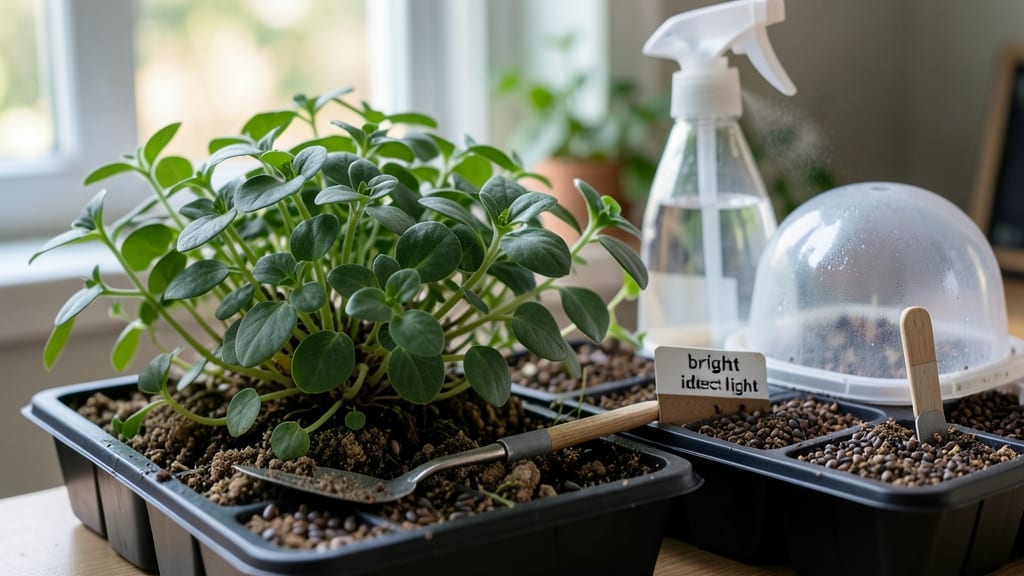
How to grow periwinkle from seed feels like unlocking a secret garden. 🌱 The key? Patience and the right conditions—these tiny seeds need warmth, moisture, and just enough light to break through. I’ve started dozens, and the ones that make it through the germination phase reward you with vibrant green mats of foliage by spring. Most people struggle because they either overwater or don’t keep the soil warm enough. Periwinkle seeds are finicky—they want 70-75°F soil and consistent dampness without sogginess. A clear plastic dome or seedling heat mat changes everything. Once they sprout, thin to the strongest seedlings and watch them fill in gaps faster than you’d expect. By late spring, you’ll have a lush, spreadable ground cover that chokes out weeds and blooms in shades of purple, white, or blue. The secret? Starting seeds indoors in early spring gives them a head start, but even outdoor sowing works if you’re in a mild climate. This method saves money and gives you control over varieties—just avoid the temptation to rush germination. Slow and steady wins the race with periwinkle.
📚 In This Guide
- What you need
- Instructions
- Tips and common mistakes
- Wrapping up and next steps
What you need
- ● Periwinkle seeds: 1 packet (100–200 seeds) – fresh or stored in a cool, dry place.
- ● Seed-starting mix: 1 bag (1–2 cubic feet) – lightweight, well-draining potting soil (avoid garden soil).
- ● Seed trays or pots: 1–2 shallow trays (with drainage holes) or 4–6 small pots (2–3 inches deep).
- ● Clear plastic dome or plastic wrap: 1 sheet – for humidity retention.
- ● Spray bottle: 1 – with a fine mist setting for gentle watering.
- ○ Grow lights or sunny windowsill: 1–2 grow lights (optional but helpful) or a south-facing window.
- ● Tweezers or toothpick: 1 pair – for carefully placing tiny seeds.
- ● Fertilizer (balanced, water-soluble): 1 small bottle – dilute to half-strength for seedlings.
- ○ Heat mat (optional): 1 – keeps soil warm (70–75°F) to speed germination.
- ● Transplanting tools: Small trowel or spoon – for moving seedlings later.
Step-by-step instructions for growing periwinkle from seed
Here's how I get periwinkle seedlings popping in just 10-14 days—no waiting months.
🌱 Step 1: Prepare Seeds and Seedling Trays
Periwinkle seeds need light to germinate, so skip covering them with soil. Fill your seedling trays with moistened seed-starting mix (not garden soil—it's too heavy) and press it down gently until firm. Smooth the surface with your fingers to create a flat planting bed.
Scatter seeds thinly across the tray—periwinkle germinates quickly, and crowding leads to weak seedlings. I like to space them about ½ inch apart in rows. Once planted, mist the surface lightly with water until evenly damp but not soggy. The key here is keeping the soil consistently moist without waterlogging.
💧 Step 2: Create Ideal Germination Conditions
Periwinkle thrives in warmth, so place your trays on a seedling heat mat set to 70-75°F. Cover the trays with clear plastic wrap or a humidity dome to trap moisture and speed germination. Check daily for condensation—if you see heavy droplets, remove the cover for 10 minutes to prevent mold.
You'll see the first tiny sprouts in 7-10 days, but some seeds may take up to 2 weeks. As soon as you spot the first green tips, remove the cover immediately. Periwinkle seedlings are delicate, and too much humidity after germination causes damping-off (a fungal disease that collapses stems overnight).
☀️ Step 3: Provide Bright, Indirect Light
Move your seedlings to a bright spot with 6-8 hours of indirect light daily. A south-facing window works, but direct midday sun can scorch tender leaves. If your seedlings stretch toward the light with pale stems, they need more intensity—supplement with a grow light for 12-14 hours per day.
Rotate the trays a quarter turn daily so seedlings grow straight instead of leaning. You'll notice strong seedlings have deep green leaves and compact spacing between nodes. Weak seedlings will look leggy and pale—this means they need more light or cooler temperatures to slow stretching.
🪴 Step 4: Transplant to Individual Pots
When seedlings develop 2-3 sets of true leaves (about 4-6 weeks after sowing), it's time to repot. Use small 3-inch pots filled with a mix of potting soil and perlite (50/50 ratio) to improve drainage. Gently remove each seedling by grasping the leaves (not the stem) and place it in its own pot, burying up to the first set of leaves.
Water lightly after transplanting, and place the pots in a shady spot for 3-5 days to reduce stress. Periwinkle handles transplanting well, but sudden shock can slow growth. Once new leaves appear, gradually reintroduce them to full sun over 7-10 days to harden off.
✂️ Step 5: Maintain for Fast, Lush Growth
Keep soil evenly moist but not soggy—periwinkle roots need oxygen to thrive. Water at the base rather than overhead to prevent fungal diseases. Feed with a balanced liquid fertilizer (10-10-10) every 4-6 weeks during the growing season to encourage blooms.
Pinch back the tips of leggy stems to encourage bushier growth. You'll see more compact plants with this simple trick—just snip above a set of leaves with clean scissors. With proper care, your periwinkle will bloom in 6-8 months, delivering those signature blue-purple flowers year after year.
Tips & tricks for growing periwinkle from seed
Here's what I learned after growing periwinkle for years—these tricks cut germination time in half and keep seedlings thriving.
Light Exposure Secret: Periwinkle seeds need light to germinate, so resist the urge to bury them. I use clear plastic seedling trays so you can see the seeds clearly and ensure they stay uncovered. If you don't have clear trays, place a piece of clear plastic wrap over the tray (without covering the seeds) to let light through while maintaining moisture.
Temperature Matters: That 70-75°F heat mat range is non-negotiable for speedy germination. If your home runs cooler, place the trays on top of your fridge or near a sunny window during the day. I've seen germination times stretch to 3 weeks in cooler conditions—warmth is the real game-changer here.
Humidity Watch: The plastic wrap creates a greenhouse effect, which is great for the first 7-10 days, but watch for condensation. If you see heavy droplets forming, remove the cover for 10 minutes to prevent mold. I keep a small fan nearby on low setting to circulate air slightly—just enough to prevent mold without drying out the soil.
Transplanting Hack: When repotting, use a small spoon or butter knife to gently loosen the soil around each seedling before removing it. This prevents root damage and helps seedlings establish faster in their new pots. I also dip the roots in a bit of water before planting to ensure they don't dry out during the transition.
Pro Tips for Grow Periwinkle From Seed
- Here's what I learned after growing periwinkle for years—these tricks cut germination time in half and keep seedlings thriving.
- Light Exposure Secret: Periwinkle seeds need light to germinate, so resist the urge to bury them.
- Temperature Matters: That 70-75°F heat mat range is non-negotiable for speedy germination.
Frequently asked questions
Got questions about growing periwinkle from seed?
You’re not alone—this charming plant has a few quirks! Here are answers to the most common concerns to help you succeed.
How long does it take for periwinkle seeds to germinate?
Periwinkle seeds can take anywhere from 2 weeks to 6 months to germinate—patience is key! Most seeds sprout within 4–8 weeks if kept in warm, moist conditions (70–75°F). If you’re impatient, try soaking seeds overnight before planting to speed things up.
Can I plant periwinkle seeds outside in fall or winter?
Nope! Periwinkle seeds need warmth to germinate, so avoid planting them outdoors in cold months. Start seeds indoors 8–12 weeks before your last frost date, or wait until spring when soil temperatures are consistently above 60°F. A greenhouse or sunny windowsill works great for early starts.
Why aren’t my periwinkle seeds sprouting?
Try these fixes if your seeds are slow to wake up:
- Check moisture: Keep soil consistently damp (not soggy) but never dry.
- Test warmth: Use a seedling heat mat if your home runs cool.
- Verify freshness: Old seeds (over 1 year) may lose viability—buy new ones!
- Light exposure: Periwinkle seeds need bright, indirect light (no deep shade).
If all else fails, they might need a cold stratification period—try chilling seeds in the fridge for 4–6 weeks before replanting.
How do I keep periwinkle from becoming leggy or sparse?
Leggy or sparse growth usually means too little light or overcrowding. To fix it:
- Move seedlings to a sunny south-facing window or under grow lights (12–14 hours/day).
- Thin seedlings to 4–6 inches apart once they have 2–3 true leaves.
- Pinch back leggy stems to encourage bushier growth.
Bonus: Periwinkle thrives in well-draining soil—avoid soggy pots to prevent root rot.
Can I grow periwinkle from cuttings instead of seeds?
If seeds feel like too much work, stem cuttings are a faster, easier option. Take 3–4 inch cuttings from healthy stems in spring or early summer, strip the lower leaves, dip in rooting hormone, and plant in moist perlite or sand. Keep humid and warm—roots should form in 3–6 weeks!
Wrapping up and next steps
Growing periwinkle from seed is a rewarding journey that unlocks vibrant, low-maintenance blooms for your garden! With the right patience, light conditions, and care, you’ll soon enjoy cascading trails of purple, pink, or white flowers.
Start small—whether in pots or directly in the soil—and watch your efforts flourish into a lush, drought-tolerant ground cover.
Ready to take the next step? Share your progress with fellow gardeners or experiment with different varieties to expand your periwinkle collection! 🌱✨