
How To
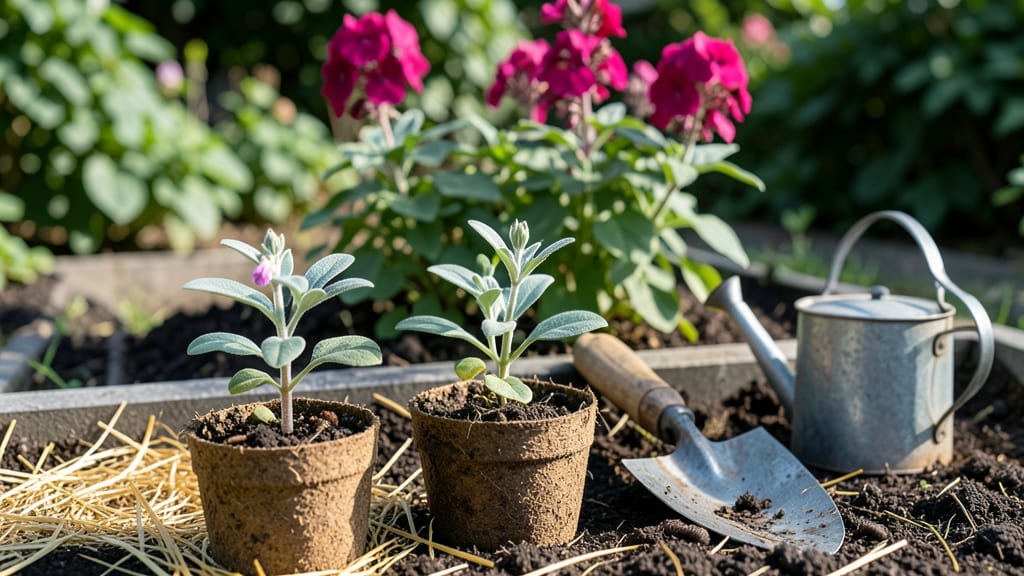
How to grow tall snapdragons reaching 4 feet high turns any garden into a living fairy tale. 🌻 I’ve grown these dramatic blooms for years, and the secret isn’t just patience—it’s getting sunlight, soil, and spacing just right from day one. Most gardeners overlook how much these plants hate soggy roots or crowded neighbors, which is why so many end up leggy instead of towering.
The first step is full sun (6+ hours daily) and soil that drains like a sieve—amend heavy clay with compost or sand. Plant seeds 1/4-inch deep and space them 12 inches apart to avoid competition.
Water at the base (never overhead) and fertilize lightly every 4 weeks with a balanced feed. Pinch back the tips when seedlings hit 6 inches to encourage bushier growth—this is where the magic happens for those sturdy stems.
📚 In This Guide
- What you need
- Instructions
- Tips and common mistakes
- Wrapping up and next steps
What you need
- ● Snapdragon seeds: Choose tall varieties like 'Rocket' or 'Black Prince' (1–2 packets, ~50–100 seeds each).
- ● Well-draining potting mix: 5–10 gallons of seed-starting mix (sterilized, peat-based or coco coir blend).
- ● Containers: Biodegradable pots (3–4 inches deep) or seed trays with drainage holes (10+ cells).
- ● Grow lights or sunny windowsill: 12–16 hours of bright, indirect light (LED grow lights work if natural light is weak).
- ● Watering can or spray bottle: With a fine rose nozzle to avoid disturbing seeds.
- ● Fertilizer: Balanced 5-10-10 or organic options like fish emulsion (diluted to half-strength).
- ● Garden trowel or transplant tool: For gentle seedling transfers.
- ○ Mulch (optional): Straw or shredded leaves to retain moisture.
- ○ Stakes or cages (optional): 18–24 inch tall bamboo stakes or tomato cages for support.
- ○ Pruning shears (optional): For deadheading spent blooms.
Step-by-step instructions for growing towering snapdragons
Here's how I coax snapdragons to reach their full height—3-4 feet—with vibrant blooms that last all season.
🌱 Step 1: Start Seeds Indoors at the Right Time
Snapdragons thrive when started 6-8 weeks before your last frost date. I plant mine in late February for spring blooms. Use sterile seed-starting mix in 2-3 inch deep cells—never garden soil, which compacts and stunts roots. Fill containers to 1 inch below the rim and press the mix firmly so it holds seeds without washing away.
Sow seeds ¼ inch deep, just barely covering them. Mist the surface with water until evenly damp—not soggy. Place trays in a warm spot (70-75°F) and cover with plastic wrap to retain moisture. Check daily for condensation; wipe the wrap with a clean cloth to prevent mold. Seeds typically sprout in 7-14 days, but don’t be surprised if some take longer—patience pays off with stronger stems.
☀️ Step 2: Provide Bright, Indirect Light for Seedlings
The moment you see first true leaves (not the initial cotyledons), move seedlings to a south-facing window or under grow lights. Snapdragons need 14-16 hours of light daily to avoid leggy growth. If using a grow light, position it 2-4 inches above the plants and raise it as they grow—never let it touch leaves. You’ll spot leggy seedlings by their thin, pale stems and wide spacing between leaves.
Rotate trays a quarter turn daily so plants grow straight, not lopsided. Once seedlings have 3-4 true leaves, transplant them into 4-inch pots with fresh potting mix. This prevents root binding, which snapsdragons hate. Water gently after transplanting to settle the soil around roots—don’t drown them.
🪴 Step 3: Harden Off and Transplant Outdoors
Two weeks before your last frost, start hardening off seedlings. Place them outside in a shaded, sheltered spot for 1-2 hours the first day, gradually increasing time by 1 hour daily. By day 7, they should tolerate full sun without wilting. Snapdragons love full sun to partial shade—6+ hours daily—but in hot climates, afternoon shade prevents bolting (premature flowering).
Transplant after all frost risk has passed, spacing plants 12-18 inches apart in well-draining soil. Dig holes twice as wide as the root ball to encourage root spread. Water deeply at planting to eliminate air pockets, then mulch with 2 inches of organic mulch to retain moisture and suppress weeds. The key here? Don’t disturb roots—handle seedlings by their leaves, never the stems.
💧 Step 4: Water and Fertilize for Height and Blooms
Snapdragons need consistent moisture but despise soggy soil. Water deeply 1-2 times per week, aiming for 1 inch of water per week. Let the top 1-2 inches of soil dry between waterings—wilting leaves mean you’ve waited too long. For towering stems, fertilize every 2-3 weeks with a balanced, water-soluble fertilizer (10-10-10). Stop fertilizing 6 weeks before first frost to encourage strong root systems for next year.
Pinch back the top set of leaves when seedlings are 6 inches tall. This forces bushier growth and more blooms. Deadhead spent flowers regularly—snip stems just above the next set of leaves—to redirect energy into new blooms. Here’s the thing: overcrowding stunts height, so thin seedlings if they’re competing for space. Aim for one strong stem per plant to maximize vertical growth.
✂️ Step 5: Support and Maintain for Maximum Height
As stems reach 2 feet, install bamboo stakes or cages to support their weight. Tie stems loosely with soft plant ties—never cinch too tight, or you’ll strangle the growth. Snapdragons grow 3-4 feet tall under ideal conditions, but wind or heavy blooms can snap weak stems. Prune any yellowing or diseased leaves immediately to prevent spread. For late-season blooms, cut back one-third of the plant after the first flush of flowers—this triggers a second wave of growth.
Watch for aphids or powdery mildew, common in humid climates. Spray plants with neem oil at the first sign of pests. In fall, cut back stems to 6 inches and compost them—don’t leave dead plants in the garden, as they harbor diseases. With proper care, snapdragons self-seed prolifically, giving you free plants next year. That’s the magic of these towering beauties!
Tips & tricks for towering snapdragons
Want snapdragons that reach for the sky instead of flopping over? These gardening secrets will help you coax those towering stems to their full potential.
The Light Factor: Those 14-16 hours of daily light are non-negotiable for avoiding leggy seedlings. I use a simple DIY solution when natural light falls short: a basic LED bulb on a timer positioned 3-4 inches above the seedlings. The key is keeping the light moving—rotate your trays a quarter turn daily to prevent plants from leaning toward one side. You'll notice the difference immediately: plants grow straight and sturdy rather than stretching toward the light source.
Seedling Stress Prevention: In Step 1, when you're sowing those tiny seeds, resist the urge to overwater. The seeds need just enough moisture to germinate—think of it like a damp sponge, not a swamp. I've ruined batches by keeping the soil too wet, which leads to mold before the seeds even sprout. After sowing, place a humidity dome (or that plastic wrap) over the tray, but check daily for condensation. Wipe it off with a clean cloth to prevent fungal growth. This small step makes all the difference in getting strong, healthy starts.
Transplanting Technique: The moment you transplant those 3-4 true leaf seedlings into 4-inch pots, handle them like delicate glassware. Snapdragons have surprisingly fragile stems at this stage. I always grasp seedlings by their leaves—not the stems—using my thumb and forefinger to gently lift them from the soil. When placing them in their new pots, bury them just as deep as they were growing before. This prevents transplant shock and encourages strong root development for those towering stems we're all after.
Support System: When your stems reach that magical 2-foot mark, don't wait to install support. I've seen too many beautiful snapdragons topple under their own weight when the first heavy blooms appear. Use soft plant ties—never wire or anything that can cut into the stems—and tie them loosely enough that you can slip a finger between the tie and the stem. The goal is to support, not strangle. For extra stability in windy areas, add a second stake or use a tomato cage for multiple stems.
Pro Tips for Grow Tall Snapdragons
- Want snapdragons that reach for the sky instead of flopping over?
- The Light Factor: Those 14-16 hours of daily light are non-negotiable for avoiding leggy seedlings.
- Seedling Stress Prevention: In Step 1, when you're sowing those tiny seeds, resist the urge to overwater.
Frequently asked questions
Got questions about growing tall snapdragons?
You’re not alone! Here are answers to the most common queries to help you cultivate those striking, towering blooms with confidence.
How long does it take for snapdragons to reach their full height?
Snapdragons typically take 8–12 weeks from seed to reach their full height (18–48 inches, depending on the variety). If you start seeds indoors in early spring, you’ll see dramatic growth by late spring or early summer. Pro tip: Pinch back young plants to encourage bushier growth and taller stems!
Can I grow tall snapdragons from seed, or should I buy seedlings?
Both work! Seeds are cheaper and offer more variety, but seedlings give you a head start (especially in cooler climates). If sowing seeds, start them indoors 6–8 weeks before the last frost for the best results. Bonus: Hybrid varieties (like ‘Black Knight’) often perform better when started as seedlings.
Why aren’t my snapdragons growing tall? Troubleshooting tips!
If your snapdragons are stunted or leggy, check these fixes:
- Light: Snapdragons need 6+ hours of sunlight daily. Move them to a sunnier spot or use grow lights indoors.
- Overcrowding: Thin seedlings to 12–18 inches apart to reduce competition for nutrients.
- Nutrients: Feed with a balanced fertilizer (10-10-10) every 3–4 weeks. Yellowing leaves? Boost nitrogen.
- Pests: Aphids or spider mites can stunt growth. Spray with neem oil or insecticidal soap.
Are snapdragons cold-hardy? Can I grow them in fall or winter?
Snapdragons are cool-season plants but not frost-tolerant. They thrive in USDA Zones 7–10 and can handle light frosts (28–32°F) if protected. For fall planting:
- Start seeds 8–10 weeks before the first frost for blooms before winter.
- Avoid planting too late—short days trigger bolting (premature flowering).
- In cold climates, grow them as annuals and enjoy their height in spring/fall.
What’s the best alternative if I can’t grow tall snapdragons?
If your climate or space is limiting, try these tall, drama-packed alternatives:
Plant
Height
Care Level
Hollyhocks
3–6 ft
Moderate (needs staking)
Foxgloves
2–5 ft
Easy (self-seeds)
Delphiniums
3–6 ft
Moderate (needs support)
Sunflowers
2–12 ft
Very easy (fast-growing)
Pro tip: Mix snapdragons with salvias or statice for a textured, long-lasting border.
Wrapping up and next steps
Growing tall, vibrant snapdragons is all about patience, the right conditions, and a little love! With well-draining soil, plenty of sunlight, and consistent care, you’ll soon be rewarded with stunning, towering blooms that add charm to any garden. 🌱✨
Now that you’ve got the know-how, roll up your sleeves and start planting—your future snapdragons will thank you! For extra tips, check out our guide on pruning techniques to keep those stems strong and healthy.