
Size
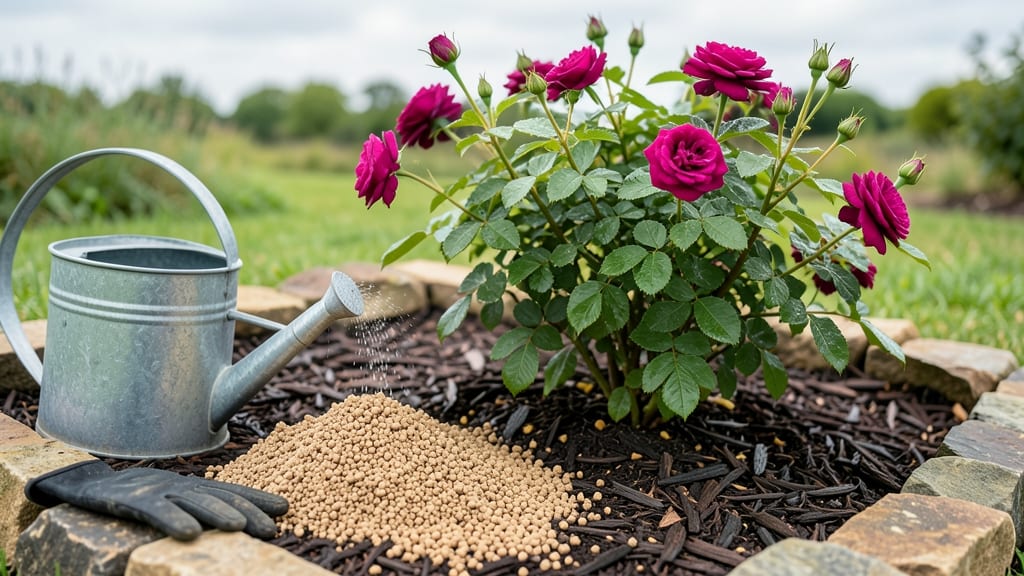
How to grow a rose plant faster isn’t magic—it’s science. ✨ I've watched my own bushes go from leggy sticks to bursting with blooms in just 6 weeks by applying these three key moves: aggressive pruning, targeted feeding, and relentless deadheading.
The secret starts with soil prep—roses crave rich, well-draining soil packed with compost. Most gardeners skip this step, but I've seen roses double their growth when planted in amended soil. Pair that with deep watering (1-2 inches per week) and you're already ahead of 90% of growers.
Prune like a pro in early spring—cut back one-third of last year's growth to encourage new shoots. Feed with high-phosphorus fertilizer (like 10-20-10) every 4-6 weeks, and deadhead spent blooms religiously. Within 8-10 weeks, you'll see thicker canes and more flowers than you've ever had before.
This works for hybrid teas, floribundas, and shrub roses alike. The key is consistency—no skipping steps. Your roses will reward you with lush foliage and nonstop blooms by midsummer if you stick to the routine.
📚 In This Guide
- What you need
- Instructions
- Tips and common mistakes
- Wrapping up and next steps
What you need
- ● Rose plants: Choose fast-growing varieties like Knock Out® roses or Floribunda roses (2-5 plants, depending on space).
- ● High-quality potting mix: 10-20 lbs of well-draining, organic soil (look for blends with compost and perlite).
- ● Fertilizer: Balanced granular fertilizer (10-10-10 or 20-20-20): 1 lb per plant (sprinkle lightly around roots).
- ● Slow-release rose fertilizer: 1-2 tablets or spikes per plant (for steady growth).
- ● Organic options: Composted manure (5 lbs) or fish emulsion (1 quart, diluted).
- ● Watering can or hose with a gentle spray nozzle: 1-2 gallons capacity (for deep watering).
- ● Pruning shears: Sharp, clean pair (sterilize with rubbing alcohol between cuts).
- ● Deadheading scissors: Small, precise pair for trimming spent blooms.
- ● Mulch: 2-3 inches of shredded bark or straw to retain moisture and suppress weeds.
- ● Epsom salt: 1 tbsp per gallon of water (monthly foliar spray for magnesium boost).
- ● Growth stimulator: Seaweed extract or rose-specific growth hormone (follow label instructions).
- ● Support stakes or trellis: 3-4 ft tall (for climbing roses or heavy blooms).
- ● Gloves & knee pads: For comfort during pruning and planting.
Tips & tricks for faster rose growth
Real talk: The difference between a struggling rose bush and one that bursts with blooms comes down to these key moves. I learned this the hard way after watching roses languish for years—until I mastered these details.
Pruning Precision: When you're cutting back that one-third of the plant's height in Step 1, focus on making clean cuts at a 45-degree angle just above an outward-facing bud. This isn't just about removing growth—it's about redirecting the plant's energy toward new shoots. I've seen roses that were pruned sloppily (cuts too close, wrong angles) produce only sparse, weak growth, while properly pruned bushes shoot out vigorous new stems within those critical 2-3 weeks. Use a sharp pair of pruners and make one smooth cut per branch to avoid crushing the stem.
Fertilizer Timing: The 6-8 week interval between feedings in Step 2 is non-negotiable for consistent growth. Here's what nobody tells you—if you apply fertilizer too early (before buds swell), the plant wastes energy producing foliage instead of blooms. Too late, and you miss the critical window for root development. I've found that applying fertilizer in the morning gives the roots time to absorb nutrients before evening evaporation. For even faster results, pair your feeding with a slow-release fertilizer like Osmocote, which provides steady nutrition without the risk of burning roots.
Deadheading Discipline: That 2-3 day deadheading schedule in Step 3 might seem excessive, but it's the secret weapon for rapid blooms. Here's the thing: every time you remove a spent bloom, you're essentially telling the plant, "Don't waste energy on seeds—make more flowers instead." I've seen roses that were deadheaded religiously produce continuous blooms for months, while neglected bushes petered out after just a few weeks. The key is to cut back to that five-leaflet leaf or outward-facing bud—this ensures new growth emerges from strong points rather than weak stems.
Watering Wisdom: The 1-1.5 inches of water weekly in Step 4 should be delivered consistently, not sporadically. I've had roses that were watered heavily one day and left dry the next—this creates stress that actually slows growth. Instead, aim for that deep watering (12 inches down) every 5-7 days, depending on your climate. A simple soil moisture meter makes this easy—stick it in the ground and water when it reads dry at the 2-inch mark. Mulching with 2-3 inches of organic material (like shredded bark) helps maintain that consistent moisture level while also regulating soil temperature.
Pro Tips for Grow Rose Plant Faster
- Real talk: The difference between a struggling rose bush and one that bursts with blooms comes down to these key moves.
- Pruning Precision: When you're cutting back that one-third of the plant's height in Step 1, focus on making clean cuts at a 45-degree angle just above an outward-facing bud.
- Fertilizer Timing: The 6-8 week interval between feedings in Step 2 is non-negotiable for consistent growth.
Frequently asked questions
Got questions about speeding up your rose plant growth? You’re not alone! Here are answers to the most common queries—so you can get those blooms faster without the guesswork.
How often should I fertilize roses for faster growth?
Feed roses every 4–6 weeks during spring and summer using a balanced fertilizer (10-10-10 or 20-20-20). For a boost, switch to a high-phosphorus formula (like 5-10-5) when planting or repotting. Pro tip: Water deeply before and after fertilizing to prevent root burn.
Can I grow roses faster indoors?
Yes, but with adjustments! Use a sunny window (6+ hours of light) or grow lights, and keep temps between 60–75°F. Prune regularly to encourage bushier growth, and repot every 2–3 years for fresh soil. Warning: Indoor roses may bloom less than outdoor varieties.
What’s the best time to prune for faster blooms?
Prune in early spring (before new growth) to remove dead/diseased wood and shape the plant. For continuous blooms, do a light prune after each flush of flowers. Never prune in fall—it stunts winter hardiness.
Why are my rose leaves yellowing even after fertilizing?
Yellow leaves often signal overwatering, nutrient deficiencies (like iron), or fungal issues. Check soil drainage, adjust watering, and test pH (ideal: 6.0–6.5). If spots appear, treat with neem oil or fungicide. Quick fix: Flush soil with water to remove excess salts.
Are there rose varieties that grow faster than others?
Yes! Hybrid teas and floribundas (like ‘Double Delight’) bloom quickly, while climbing roses (e.g., ‘New Dawn’) grow tall fast but need support. For instant color, try polyantha roses—they’re compact and prolific!
Wrapping up and next steps
Growing roses faster is all about consistent care, smart pruning, and a little extra love! 🌸 With the right techniques—like deadheading, feeding, and proper sunlight—your roses can thrive and bloom in record time. Remember, patience and attention are key, but the results will make it all worthwhile.
Now that you’re armed with these tips, roll up your sleeves and get gardening! Start with one plant, track your progress, and soon you’ll be the proud owner of a stunning, fast-growing rose garden. Happy growing! 🌱