
How To
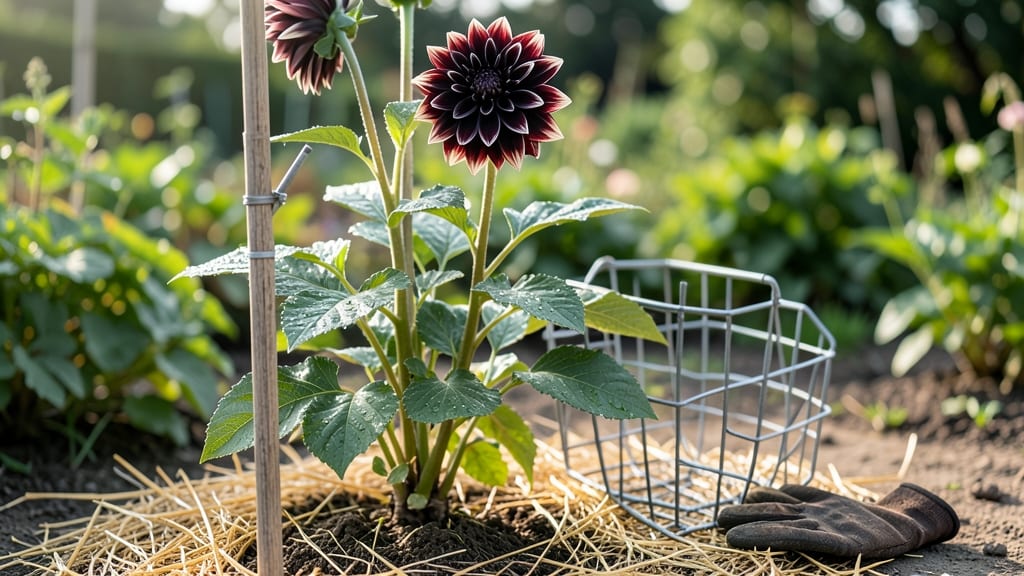
How to grow tall dahlias reaching 6+ feet in your garden isn’t luck—it’s sunlight strategy. 🌞 I’ve grown these stunners for years, and the key isn’t just planting tubers deep (though that helps). It’s about 6+ hours of direct sun daily, paired with the right soil prep and watering rhythm that keeps stems sturdy without flopping.
Start tubers 2 inches deep in loose, well-draining soil by mid-April in most zones, and stake them before they sprout—those 8-foot varieties need support from day one. Prune side shoots early to funnel energy upward, and deadhead spent blooms to trigger nonstop summer-long production.
The payoff? Vibrant, dinner-plate blooms that turn heads at your garden’s peak.
📚 In This Guide
- What you need
- Instructions
- Tips and common mistakes
- Wrapping up and next steps
What you need
- ● Dahlia tubers: Choose tall varieties like ‘Thomas Edison’ or ‘Mascotte’ (6–8 tubers for a full display).
- ● Well-draining potting mix: 5–10 gallons (depending on pot size). Opt for a blend with perlite or compost.
- ● Containers or garden bed: Containers: 12–18 inches deep (one tuber per pot).
- ● Garden beds: Full sun (6+ hours daily) with loose, fertile soil.
- ● Fertilizer: Balanced 10-10-10 or low-nitrogen, high-phosphorus (like 5-10-10) for blooms.
- ● Stakes or cages: 5–6 feet tall (bamboo or metal) for support.
- ● Gloves & hand trowel for planting.
- ● Watering can or hose with a gentle spray nozzle.
- ○ Mulch (optional): Straw or shredded bark to retain moisture.
- ● Pruning shears for deadheading and shaping.
- ○ Epsom salt (optional): 1 tablespoon per plant for magnesium boost.
Step-by-step instructions for growing tall dahlias
With the right support and sunlight strategy, you'll coax those dramatic 5-6 foot dahlias to reach their full potential.
🌱 Step 1: Select and Prepare Tubers for Planting
Choose tubers with multiple "eyes"—those little dimples where stems will emerge. Soak them in lukewarm water for 24 hours before planting to encourage faster sprouting. I like to place them in a mesh bag so they don't float away. The water should feel slightly warm to your fingers, not scalding.
After soaking, let them dry briefly—just until the surface feels slightly tacky. This prevents rot when you plant. Dahlias are sensitive to cold soil, so wait until after your last frost date when nighttime temperatures stay above 55°F. Plant tubers 6 inches deep in loose, well-draining soil enriched with compost or aged manure. The eyes should face upward—this is the only way to ensure proper growth.
☀️ Step 2: Provide Strategic Sunlight and Staking
Tall dahlias need full sun—6 to 8 hours daily—but here's the trick: morning sun is more important than afternoon. In hot climates, afternoon sun can scorch leaves, so I often place mine where they get bright morning light and partial afternoon shade. Watch for leaves that look bleached or crispy—this is your sign to move them slightly.
Install sturdy stakes or cages at planting time. Dahlias grow fast, and waiting to stake them risks damaging roots when you try to insert supports later. Use 5-6 foot tall stakes buried 1 foot deep—this gives them the stability they need without flopping. I like bamboo stakes because they're lightweight but strong enough to handle heavy blooms.
💧 Step 3: Water Deeply and Maintain Consistent Moisture
Dahlias hate dry soil, but they also despise soggy roots. Water deeply once a week—about 1-2 gallons per plant—until the soil feels 6 inches deep. You'll know it's right when water runs out the drainage holes but doesn't pool on the surface. Mulch around the base with 2-3 inches of straw or shredded leaves to retain moisture and keep roots cool.
Here's where most gardeners go wrong: don't water the leaves. Wet foliage invites fungal diseases like powdery mildew, which can defoliate your plants in weeks. Water at the base in the early morning so leaves dry quickly. If you see yellowing leaves, it's often a sign of overwatering—let the soil dry out slightly before watering again.
✂️ Step 4: Prune and Support for Maximum Height
When your dahlias reach 18 inches tall, it's time to pinch back the main stem just above a set of leaves. This encourages lateral branching, which gives you more stems and blooms. I use clean, sharp pruners and make the cut at a 45-degree angle to prevent water from pooling on the wound. Remove any weak or leggy growth immediately—this redirects energy to stronger stems.
As stems grow, tie them loosely to stakes every 10-14 days to prevent wind damage. Use soft plant ties or strips of old fabric—nothing that will dig into the stems as they thicken. When blooms appear, deadhead spent flowers by cutting the stem back to the nearest strong leaf. This keeps the plant focused on producing more blooms instead of setting seed.
🌿 Step 5: Protect and Extend the Blooming Season
In cooler climates, dahlias need protection from early frosts. Once nighttime temperatures drop below 40°F, cover plants with frost blankets or move containers indoors to a bright, cool spot. Dahlias are tender perennials, so they won't survive freezing—dig up tubers after the first frost, trim back the foliage, and store them in a cool, dark place until spring.
To extend blooming, I often fertilize lightly every 4-6 weeks with a balanced 10-10-10 or 5-10-10 fertilizer. Too much nitrogen makes them grow leaves instead of flowers, so I cut back on fertilizer as summer progresses. Watch for aphids or earwigs—they love dahlias. A neem oil spray applied in the evening keeps pests away without harming beneficial insects.
Tips & tricks for growing towering dahlias
These insights will help you avoid common pitfalls and maximize those dramatic 5-6 foot blooms.
Soaking Strategy: The 24-hour lukewarm water soak is your secret weapon for faster sprouting, but here's the trick: use a mesh bag to prevent tubers from floating. I've seen tubers dry out completely when left loose in buckets—always keep them submerged just enough to cover the eyes. After soaking, let them dry until they feel slightly tacky (like damp sand), not dripping. This prevents rot when you plant them 6 inches deep in your prepared soil.
Sunlight Hack: While dahlias need 6-8 hours of full sun daily, morning sun is non-negotiable for tall varieties. I've learned this the hard way—afternoon sun in hot climates can scorch leaves, causing those dramatic blooms to wilt before they even open. Place your plants where they get bright morning light and partial afternoon shade. Watch for bleached or crispy leaves—they're begging you to move them slightly.
Staking Timing: Install those 5-6 foot tall stakes at planting time, not later. Dahlias grow fast, and trying to insert stakes after the roots establish will damage them. Bury stakes 1 foot deep for stability, and use bamboo—they're lightweight yet strong enough to handle heavy blooms. I like to add a second stake on the opposite side once plants reach 18 inches to prevent leaning in windy conditions.
Pruning Precision: When you pinch back the main stem at 18 inches, make that cut at a 45-degree angle just above a set of leaves. This prevents water from pooling on the wound, which could lead to rot. I've also found that removing any weak or leggy growth immediately after pinching redirects energy to stronger stems. Use clean, sharp pruners—dull blades crush stems and invite disease.
Pro Tips for Grow Tall Dahlias
- These insights will help you avoid common pitfalls and maximize those dramatic 5-6 foot blooms.
- Soaking Strategy: The 24-hour lukewarm water soak is your secret weapon for faster sprouting, but here's the trick: use a mesh bag to prevent tubers from floating.
- Sunlight Hack: While dahlias need 6-8 hours of full sun daily, morning sun is non-negotiable for tall varieties.
Frequently asked questions
about growing tall dahlias—because even the best gardeners need a little extra help! Here are answers to the most common questions to ensure your dahlias reach their full, sun-drenched potential.How deep should I plant dahlia tubers?
Plant your tubers eyes-up (the bumps where stems emerge) about 4–6 inches deep in loose, well-draining soil. Deeper planting prevents rot while encouraging strong root growth. If your soil is heavy clay, add compost to improve drainage—tall dahlias hate soggy feet!
When is the best time to stake or cage tall dahlias?
Install stakes or cages at planting time (early spring) or when stems reach 6–12 inches tall. Wait too long, and you’ll risk damaging roots or struggling to secure floppy stems. Use 3–4 foot stakes for varieties like ‘Karma Choc’ or ‘Happy Single’—they’ll need support for their gravity-defying blooms!
What do I do if my dahlia leaves look chewed or spotted?
Common culprits are slugs, aphids, or fungal diseases like powdery mildew. For pests, handpick slugs or spray with neem oil. Improve airflow between plants to prevent mildew, and remove infected leaves immediately. Pro tip: Aphids? Blast them off with water—your dahlias will thank you!
Can I grow tall dahlias in containers?
Choose a container at least 12–18 inches deep with drainage holes, and use a lightweight potting mix. Dwarf varieties like ‘Thomas Edison’ thrive in containers, but taller types (5+ feet) need extra support (like a tomato cage) and regular watering. Just remember: containers dry out faster—check soil moisture daily!
How do I overwinter dahlia tubers in cold climates?
After the first frost, dig up tubers, trim stems to 2 inches, and cure them in a dry, dark place for 2 weeks. Store in pearlite or dry sand in a cool (35–45°F), frost-free spot (like a basement). Check monthly for rot—discard any mushy tubers to keep your stash healthy for next year!
Wrapping up and next steps
Growing tall dahlias is all about patience, the right conditions, and a little extra care—but the reward of stunning, towering blooms makes it worth every effort! 🌸 With the right soil, sunlight, and support, you’ll soon be enjoying dahlias that steal the show in your garden.
Ready to take the next step? Start by planting your tubers in early spring, and before you know it, your garden will be a dazzling display of height and color.
Now that you’re armed with the sunlight secrets, grab your gloves and get growing—your dahlias are waiting! 🌞