Picking
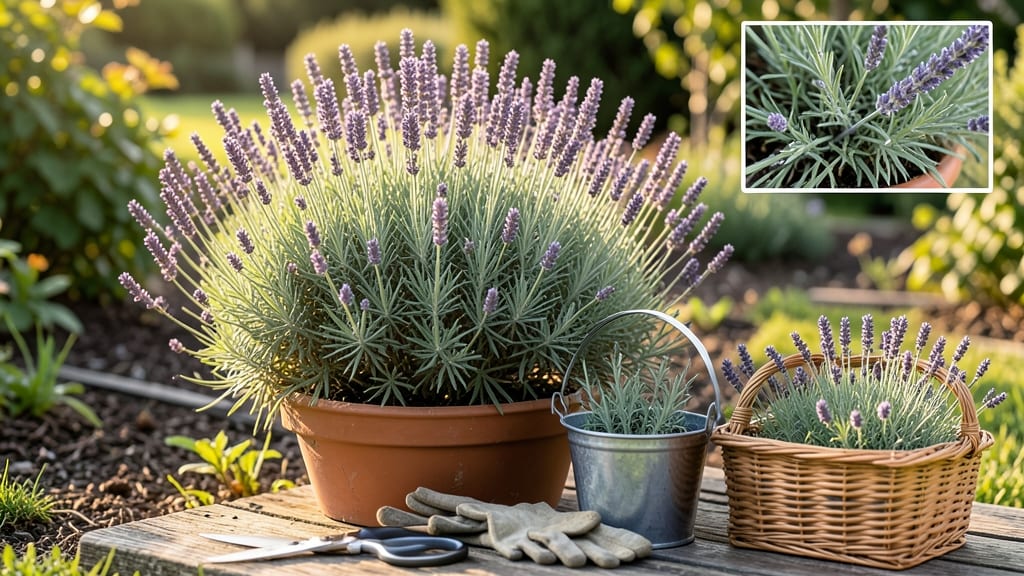
Harvesting lavender without killing it starts with selective stem cutting—the secret to keeping your plants thriving for years. ✨ I’ve ruined more lavender bushes than I’ll admit by over-harvesting, but this method ensures your plants stay lush and productive.
The key? Timing, technique, and knowing exactly how much to take without stressing the plant.
Wait until after flowering when about ⅓ of the stems have bloomed—this is when the oil content peaks, and the plant can recover. Grab sharp pruners (dull blades crush stems) and cut just above a leaf node, leaving at least ⅓ of the plant’s growth untouched.
Think of it like giving your lavender a haircut: you wouldn’t shave your head, would you?
After harvesting, bundle stems and hang them upside down in a dry, dark place for 2-3 weeks to dry. Once fully dry, strip the buds for sachets or use the stems whole for crafts.
The plant will bounce back with new growth in 4-6 weeks, ready for next year’s harvest—just don’t take more than ⅓ of the plant again.
Pro tip: Avoid harvesting in the first year—let your lavender establish strong roots. And never cut into old, woody stems; focus on the new, green growth. With this method, your lavender will reward you with fragrant blooms for decades, not just a single season.
📚 In This Guide
- What you need
- Instructions
- Tips and common mistakes
- Wrapping up and next steps
What you need
- ● Pruning shears or sharp scissors: Choose sterilized, sharp tools (avoid dull blades—they crush stems!). A bypass pruner (with a 4–6" blade) works best for precision.
- ○ Gloves (optional but recommended): Lightweight gardening gloves protect your hands from lavender’s tiny, prickly stems and sap.
- ● Bucket or breathable mesh bag: A 5-gallon bucket with drainage holes or a burlap sack keeps stems airy and prevents mildew.
- ● Ruler or measuring tape: A 6–12" tape measure helps gauge stem lengths for optimal regrowth.
- ● Spray bottle with water (small): A 16oz misting bottle dampens stems post-cut to reduce stress.
- ● Notebook & pen: Track harvest dates and plant health (pro tip: label stems by variety if you grow multiple types!).
- ● Disinfectant (70% isopropyl alcohol): Wipe tools before and after each use to prevent disease spread.
- ● Drying rack or screen: A wooden drying rack or window screen speeds up air-drying for bundles.
- ● Twine or rubber bands: Bundle stems into 3–4" diameter groups for even drying.
- ● Hand lens (magnifying glass): Spot pests or signs of stress (like aphids or powdery mildew) before harvesting.
Step-by-Step instructions for harvesting lavender without killing the plant
Here's how to harvest lavender the right way—keeping your plant healthy and thriving for years.
🌿 Step 1: Wait for the Right Time to Harvest
Harvest lavender in the morning after the dew has dried but before the sun gets too intense. This is when the oils are at their peak and the stems are firm. I always check the buds—wait until they're just starting to open, but still tightly closed. Harvesting too early means you're cutting stems that haven't developed their signature fragrance yet.
Timing matters most in late spring to early summer, just as the plant finishes its first flush of growth. If you harvest in fall, the stems will be woody and less aromatic. Watch for the plant to reach about 12-18 inches tall—that's your cue it's ready for its first cut.
✂️ Step 2: Cut Stems Selectively and Strategically
Never cut more than one-third of the plant at a time. I use clean, sharp pruners or shears to make clean cuts about 4-6 inches above the base. This leaves enough foliage to keep the plant photosynthesizing and growing. If you cut too close, you risk damaging the woody stems, which won't regrow.
Focus on the oldest stems first—they're the ones that have already flowered. This encourages new growth from the center of the plant. Avoid cutting the very center or new shoots, as these are the plant's energy sources for next year's blooms. You'll see the plant respond with fresh, vibrant growth within a few weeks.
🌱 Step 3: Bundle and Dry the Harvested Stems Properly
Gather the cut stems into small bundles of about 10-15 stems each and secure them with a rubber band or twine. Hang these bundles upside down in a dry, well-ventilated area, away from direct sunlight. A dark, airy space like a garage or shed works best. The stems should dry completely in 2-3 weeks—they're ready when they're crisp and the buds crumble easily when touched.
If you rush the drying process by using heat or sunlight, the stems will lose their fragrance and may even turn brown or moldy. Patience here ensures your lavender stays fragrant and usable for months. Once fully dried, strip the leaves and buds from the stems for potpourri, sachets, or culinary uses.
☀️ Step 4: Maintain the Plant After Harvesting
After harvesting, give your lavender a light feeding with a balanced, water-soluble fertilizer diluted to half strength. This encourages strong regrowth without overwhelming the plant. Water the base of the plant deeply but infrequently—lavender hates soggy roots. Let the soil dry out completely between waterings, especially in winter.
In late summer, give the plant a light trim to shape it and remove any dead or woody stems. This keeps the plant compact and encourages new growth for next season. Mulch lightly around the base with gravel or coarse sand to help prevent rot and retain moisture. Your lavender will reward you with lush, fragrant blooms year after year if you follow these steps.
⏰ Step 5: Plan for Seasonal Care and Future Harvests
Lavender is a perennial, so it will come back stronger each year if you take care of it. In fall, cut back any dead or damaged stems but avoid heavy pruning. This helps the plant prepare for winter dormancy. If you live in a cold climate, mulch around the base with a thick layer of straw or leaves to protect the roots from freezing temperatures.
Next spring, you'll see fresh green growth—this is your signal to start the cycle again. Harvest lightly at first to encourage the plant to establish itself fully. Over time, you'll learn your plant's rhythm and can harvest more aggressively. With the right care, a single lavender plant can provide you with fragrant stems for years to come.
Tips & tricks for perfect lavender harvesting
Took me years to figure out these little tricks that keep my lavender thriving—here's how to avoid the common mistakes that kill plants.
Timing is Everything: The 70-80% bloom rule in Step 1 is non-negotiable for fragrance and oil content. I've learned the hard way that waiting until buds fully open (when they turn brown) means sacrificing quality. Check stems in the morning when they're fully dry—dew can make them feel heavier and trick you into thinking they're ready. The ideal time is when you see purple blooms unfurling but still feel firm to the touch.
Pruning Precision: In Step 2, focus on cutting just above a leaf node or side branch—this is where new growth will emerge. I always make my cuts at a 45-degree angle to increase surface area for water absorption. Avoid cutting into the woody center, which can't regenerate. For bundle harvesting, aim for stems between 12-18 inches—they'll dry beautifully while maintaining their shape without becoming too woody.
Sunlight Strategy: Lavender's love for full sun (6-8 hours daily) is critical for regrowth. If you notice stunted growth after harvesting, check your plant's light exposure first. I've found that even partial shade can reduce flower production by up to 40%. Position your lavender where it gets morning sun and afternoon shade if you live in a hot climate—this prevents leaf scorch while still providing enough light for photosynthesis.
Pro Tips for Harvest Lavender Without Killing The Plant
- Took me years to figure out these little tricks that keep my lavender thriving—here's how to avoid the common mistake...
- Timing is Everything: The 70-80% bloom rule in Step 1 is non-negotiable for fragrance and oil content. I've learned t...
- Pruning Precision: In Step 2, focus on cutting just above a leaf node or side branch—this is where new growth will em...
Frequently asked questions
Got questions about lavender harvesting?
You’re not alone! Here are answers to the most common concerns—so you can pick your blooms and keep your plants thriving for years to come.
When is the best time to harvest lavender?
Harvest lavender in the morning after the dew dries but before the heat of the day. Aim for late spring to early summer when buds are just starting to open (about ⅓ bloomed). Avoid cutting in fall or winter, as plants need energy to survive colder months. Pro tip: Never harvest more than ⅓ of the plant at once!
How do I cut lavender stems without damaging the plant?
Use clean, sharp shears to cut stems at a 45-degree angle, about 2–3 inches above a leaf node or side shoot. This encourages new growth. Never pull stems—it tears roots and weakens the plant. For large bushes, focus on the outer stems first to avoid overcrowding the center.
Can I harvest lavender in hot or humid weather?
Harvesting in hot or humid conditions can stress the plant and cause buds to wilt faster. If you must, do it in the early morning and avoid cutting during peak sun (10 AM–4 PM). Humidity also speeds up mold growth—let bundles dry in a well-ventilated, dry space for 1–2 weeks before storing.
What if my lavender plant doesn’t regrow after harvesting?
If your plant looks leggy, sparse, or stops flowering, it’s likely over-harvested or stressed. Troubleshoot with these steps:
With patience, most lavender bounces back in 1–2 seasons!
Can I harvest lavender seeds or leaves instead of flowers?
While you can harvest lavender leaves (they’re edible and aromatic!), focus on flower buds for the best oil and drying results. Leaves contain less essential oil, but you can snip a few for culinary uses (like teas or garnishes). Avoid harvesting seeds unless you’re saving them for propagation—cutting seed heads weakens the plant’s energy reserves.
Wrapping up and next steps
Harvesting lavender the right way doesn’t have to be stressful—it’s all about selective cutting and a little patience! 🌿 By focusing on healthy stems, avoiding over-harvesting, and giving your plant time to recover, you’ll enjoy abundant blooms year after year.
Remember, a well-cared-for lavender plant rewards you with fragrance, beauty, and resilience.
Now that you’re armed with the know-how, grab those shears and get harvesting! 🌸 If you’re feeling inspired, why not share your progress or explore creative ways to use your fresh lavender—like making sachets, oils, or even culinary delights? Happy gardening!