
Picking
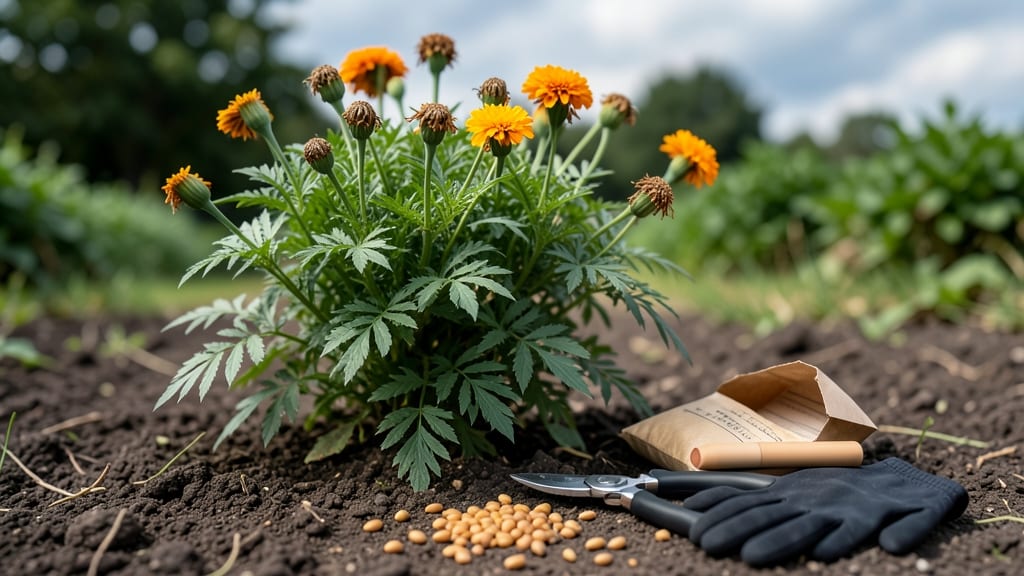
How to harvest marigold seeds for next year—don’t let those seeds go to waste after frost. 🌻 Harvesting marigold seeds at the right time ensures a fresh batch of vibrant blooms next spring, and it’s simpler than you think. The key is patience: wait until the seed pods turn papery brown and split open naturally, which usually happens in late fall or early winter.
Grab a bowl and a pair of scissors (or just your hands) when the pods are dry but before they scatter seeds everywhere. I like to work on a sunny day when the pods are crisp—just twist them open or snip carefully to release the tiny black seeds inside.
A single plant can yield hundreds, so you’ll have more than enough for next year’s garden.
Store the seeds in an envelope or small jar with a moisture absorber (like a silica packet) in a cool, dark place. Properly dried and stored seeds stay viable for 2-3 years, meaning you’ll have a ready supply for years to come.
Just sprinkle them in your garden beds or pots next spring, and you’ll be rewarded with cheerful orange and yellow blooms by summer.
This method works for all marigold varieties, from French and African to the smaller signet types. The only real mistake? Harvesting too early—wait until the pods are fully dry, or you’ll end up with damp seeds that won’t store well.
Now go enjoy that extra time in the garden next year without buying new plants!
📚 In This Guide
- What you need
- Instructions
- Tips and common mistakes
- Wrapping up and next steps
What you need
- ● Mature marigold plants: Choose healthy, disease-free plants with fully developed seed heads (dried and brownish). Aim for at least 3-5 plants for a good seed yield.
- ● Sharp pruning shears or scissors: A pair with clean, sterilized blades to avoid spreading plant diseases.
- ● Brown paper bags or breathable seed envelopes: 2-3 bags (one per plant or per variety if growing multiple types). Avoid plastic—it traps moisture and encourages mold.
- ● Permanent marker or labels: To mark seed bags with the variety name and harvest date.
- ● Drying surface: A clean, dry, and well-ventilated area (like a mesh screen, cardboard box, or even a windowsill with airflow).
- ○ Small fan or dehumidifier (optional but helpful): Speeds up drying time in humid climates.
- ● Seed-saving notebook: To track varieties, germination rates, and notes on plant performance.
- ● Desiccant packets: Place a few in seed bags to absorb excess moisture during storage.
- ● Glass jars with tight lids: For long-term seed storage (label clearly!).
- ● Hand lens or magnifying glass: Helps inspect seeds for purity before storing.
- ● Gloves (nitrile or latex): If you’re sensitive to plant sap or dust.
Step-by-step instructions for harvesting marigold seeds
Here's how I save seeds from my marigolds every year—simple, reliable, and ready for next spring.
🌱 Step 1: Identify and Select Healthy Seed Heads
Wait until your marigolds produce fully brown, papery seed heads that look like dried-up flowers. These are ready for harvest—don’t pick them too early, or the seeds won’t be mature. I always choose the healthiest, most vibrant plants first, as their seeds will be the strongest for next year.
Gently twist the dried seed head off the stem with your fingers. If it resists, use clean scissors to snip it just above the flower base. Avoid touching the petals—they can be sticky and may transfer pollen to other plants. Place the seed heads in a paper bag or envelope to keep them dry and protected from pests.
💧 Step 2: Dry and Process the Seed Heads
Let the seed heads dry indoors for 1-2 weeks in a warm, dry place. I spread them out on a clean towel or hang them upside down in a paper bag. This ensures the seeds fully mature and any remaining moisture evaporates. You’ll know they’re ready when the seed heads crumble easily between your fingers.
Once dry, rub the seed heads between your palms over a clean sheet of paper or into a small bowl. The seeds will fall out while the chaff (the dried plant debris) will blow away. Sift through the seeds to remove any remaining bits of stem or flower. Store the clean seeds in a labeled envelope or small jar in a cool, dark place until planting time.
⏰ Step 3: Store Seeds Properly for Next Year
Label your seed envelope with the marigold variety and the harvest year—mix-ups happen, and you’ll want to know what you’re planting! Store the seeds in a dry, cool spot (around 40-50°F) for up to 2-3 years. I keep mine in a sealed jar in my pantry, where they stay safe from humidity and pests.
Before planting next spring, check the seeds for viability by placing a few in a damp paper towel. If they sprout within 5-7 days, they’re still good to go. Marigolds are tough, so even older seeds often germinate well. Just be patient—some varieties take a little longer to pop.
Tips & tricks for perfect marigold seed harvesting
Here's what I've learned from years of saving marigold seeds—these little tricks make all the difference between seeds that sprout and seeds that disappoint.
Timing is Everything: Don't rush to harvest those seed heads! Wait until they're completely brown and papery—this usually happens in late fall or early winter, depending on your climate. I've learned the hard way that harvesting too early means immature seeds that won't germinate. Look for seed heads that crumble easily when you gently rub them between your fingers. This tells me the seeds are fully mature and ready to collect.
The Right Tools for the Job: While fingers work fine for most seed heads, I keep a pair of clean scissors handy for stubborn stems. Always snip just above the flower base to avoid damaging the plant. I also recommend using paper bags or envelopes for collecting—plastic can trap moisture and encourage mold growth. And here's a pro tip: wear gloves if you're sensitive to pollen or plant sap.
Drying Done Right: The 1-2 week drying period is crucial, but don't skip it! I've tried rushing this step and ended up with seeds that either didn't sprout or grew into weak plants. Spread your seed heads out in a single layer on a clean towel or hang them upside down in a paper bag. This allows air to circulate and prevents mold. A warm, dry spot like on top of your fridge works perfectly—just keep them away from direct sunlight which can over-dry the seeds.
Storage Wisdom: That 40-50°F storage temperature isn't just a suggestion—it's what protects your seeds from moisture and temperature fluctuations that can reduce viability. I keep my seeds in sealed jars with a packet of silica gel to absorb any lingering moisture. And here's something nobody tells you: write the harvest year on your storage container! I've opened jars labeled "2022" only to realize they were actually from 2021—mix-ups happen when you're dealing with multiple varieties.
Pro Tips for Harvest Marigold Seeds For Next Year
- Here's what I've learned from years of saving marigold seeds—these little tricks make all the difference between seeds that sprout and seeds that disappoint.
- Timing is Everything: Don't rush to harvest those seed heads!
- The Right Tools for the Job: While fingers work fine for most seed heads, I keep a pair of clean scissors handy for stubborn stems.
Frequently asked questions
Got questions about saving marigold seeds? You’re not alone! Here are answers to the most common concerns—so you can confidently harvest and store seeds for a vibrant garden next year.
When is the best time to harvest marigold seeds?
Harvest seeds when the marigold pods turn brown and papery (usually late summer to early fall). If you wait too long, the pods may split open and scatter seeds prematurely. Aim for a dry, sunny day to ensure easy handling and faster drying.
How long do marigold seeds stay viable for storage?
Properly stored marigold seeds remain viable for 2–3 years if kept in a cool, dry place (like a sealed envelope in the fridge). For best results, label seeds with the harvest year—freshness matters for strong germination!
What if my marigold pods don’t dry on the plant?
If pods stay green or moldy, remove them and dry seeds indoors. Lay pods on paper towels in a warm, well-ventilated spot (like a sunny windowsill) for 1–2 weeks. Avoid humidity—this prevents rot and ensures crisp seeds.
Can I save seeds from store-bought marigolds?
Yes! Store-bought marigolds (like ‘French’ or ‘African’ varieties) will produce seeds, but results may vary. For consistent blooms, opt for heirloom or open-pollinated varieties. Check seed packets for notes—some hybrids may not reproduce true to type.
How should I store marigold seeds long-term?
Use airtight containers (like glass jars or envelopes) with a desiccant packet to absorb moisture. Store in a dark, cool place (40–50°F ideal). Label with the variety and date—this keeps seeds organized and fresh for planting!
Wrapping up and next steps
Harvesting marigold seeds is a simple yet rewarding way to ensure a vibrant garden next year!
By following these steps—waiting for seed pods to dry, collecting and storing them properly, and labeling for future planting—you’ll save time, money, and energy while enjoying the same beautiful blooms year after year. 🌻
Now that you’re ready to become a marigold seed-saving pro, why not share your newfound knowledge with fellow gardeners or experiment with different varieties? Happy gardening—your future garden will thank you! 🌱