
How To
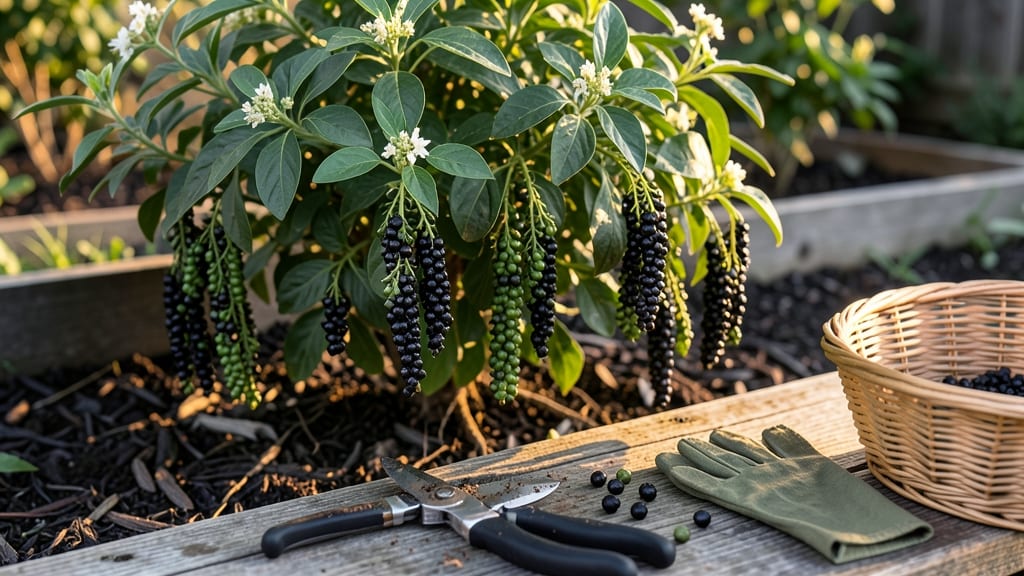
If you’ve ever wondered how to harvest peppercorns for that perfect balance of heat and complexity, timing is everything. Your 🌶️ Black Pepper plant might look ready, but rushing the harvest can mean losing out on bold flavor—or worse, a bitter disappointment.
The difference between a peppercorn that’s mild and one that packs a punch often comes down to when you pick it and how you handle it afterward.
Right now, your plants are likely bursting with potential, but knowing exactly when those peppercorns are at their peak takes more than just a quick glance.
Whether you’re growing them outdoors in Zone 6a or indoors under grow lights, the same principles apply: color, firmness, and even the way the stem snaps are all clues. Miss these signs, and you might end up with peppers that never reach their full flavor potential.
In this guide, I’ll walk you through the exact steps to harvest your peppercorns—without damaging the plant—so you can enjoy a bountiful yield season after season.
From the best time to pluck them to the drying and storage tricks that preserve their intensity, you’ll learn how to turn your harvest into a flavor powerhouse. Let’s get started.
Don’t wait until the last minute—September to November is your window to act, and every day counts. Whether you’re a seasoned gardener or just starting out, these tips will help you maximize your harvest and keep your kitchen stocked with homegrown spice.
Ready to elevate your cooking game? Let’s dive in.

When to harvest peppercorns for peak flavor and optimal yield
Harvesting peppercorns at the right moment ensures maximum flavor intensity and yield potential. Unlike bell peppers, black peppercorns develop their signature spicy kick only when fully mature.
The harvest window typically spans from late summer to early fall, but exact timing depends on the peppercorn variety and your local climate.
In warmer regions (USDA zones 9-11), you might start harvesting as early as August, while cooler zones (6-8) should wait until September or October to avoid frost damage.
Understanding the ripening stages is crucial. Black peppercorns start as green berries, then turn red before drying into the familiar black color.
For white peppercorns, you’ll harvest the red berries but remove the outer layer after drying. Pink peppercorns (from Peruvian pepper trees) are harvested when they turn a vibrant pink-purple hue.
Each stage offers a distinct flavor profile—green peppercorns are milder and slightly sweet, while black peppercorns deliver the classic bold, spicy kick we know and love.
Timing your harvest isn’t just about color—it’s also about firmness and size. Mature peppercorns should be plump, firm to the touch, and about 1/4 to 1/2 inch in diameter. If they feel soft or wrinkled, they’ve likely overripe and may lose flavor or attract pests.
A gentle squeeze should reveal a slight give, not a mushy texture. Pro tip: Harvest on a dry, sunny morning when moisture levels are low to prevent mold during drying.
Your local climate plays a huge role in harvest timing. In humid climates, peppercorns may take longer to dry naturally on the vine, increasing the risk of mold or rot.
In dry, arid regions, they’ll dry faster, and you might need to harvest slightly earlier to avoid shriveling. Pay attention to your plant’s growth rate—if berries are ripening unevenly, it’s a sign to harvest in batches over 2-3 weeks rather than all at once.
One common mistake is waiting too long. If frost threatens before peppercorns fully ripen, harvest them green and dry them indoors to develop their flavor artificially. While not ideal, this method still yields usable peppercorns.
Conversely, harvesting too early results in mild, underdeveloped flavor and wasted yield. The key is balance: aim for 90% of berries to reach full color before harvesting the majority.
For container-grown pepper plants, timing is even more critical. Pots dry out faster, which can stress the plant and stunt peppercorn development. Ensure your containers have drainage holes and water deeply every 2-3 days during the growing season.
If your pepper plant is in a small pot, it may produce fewer berries, so prioritize harvesting the largest, firmest ones first to encourage more growth.
Seasonal cues can’t be ignored. In most of the U.S., peppercorns are ready to harvest when daytime temperatures begin to drop in late summer. This signals the plant to shift energy from growth to seed maturation.
If you’re in a tropical zone, peppercorns may ripen year-round, but monsoon seasons can delay drying. Always monitor your plants weekly for signs of ripening, especially in the last 6-8 weeks of the growing season.
| Peppercorn Type | Best Harvest Color | Ideal Harvest Time | Flavor Profile | Climate Notes |
|---|---|---|---|---|
| Black Peppercorns | Deep red (before drying) | Late summer to early fall | Bold, spicy, complex | Dry climates: harvest earlier; humid: extend drying time |
| White Peppercorns | Red (harvest, then remove outer layer) | Early fall (before first frost) | Milder, earthy, less pungent | Avoid wet conditions to prevent mold |
| Pink Peppercorns | Pink-purple | Mid to late summer | Sweet, floral, slightly spicy | Harvest in dry weather for best color retention |
| Green Peppercorns | Bright green | Early summer (if needed) | Mild, grassy, slightly sweet | Must dry indoors to prevent spoilage |
If you’re growing peppercorns in containers, be extra vigilant about harvest timing. Pots can overheat, causing peppercorns to ripen unevenly or split open. To mitigate this, move containers to a shadier spot in late afternoon during peak summer heat.
This simple adjustment can extend your harvest window by 1-2 weeks. Additionally, prune lower leaves to improve airflow and reduce humidity around the berries, which lowers the risk of powdery mildew—a common issue in crowded pots.
Don’t overlook the moon phase as a traditional (but useful) guide. Harvesting
Step-by-step guide to harvesting peppercorns without damaging the plant
Harvesting peppercorns requires patience and precision to preserve both the plant and your crop. Unlike bell peppers, black peppercorns grow in tight clusters on woody vines, so you'll need to harvest entire pepper cones rather than individual berries. The right technique ensures your pepper plant stays healthy for future harvests.
Start by identifying mature pepper cones—they’ll turn from green to their final color (black, white, or pink, depending on the variety). Look for cones that feel firm but slightly soft when gently squeezed.
Avoid harvesting cones that are still green or hard, as they won’t ripen properly off the plant.
How to Harvest Peppercorns Safely
- Gather tools: Wear gloves (peppercorns stain!) and bring pruning shears or sharp scissors. A small basket or bucket works best for collecting cones.
- Twist gently: Grasp the woody stem of a mature cone and twist it firmly but slowly until it detaches. If it resists, use your shears to cut just above a leaf node.
- Avoid over-harvesting: Leave at least 30% of cones on the plant to ensure next year’s yield. Over-picking stresses the vine and reduces future production.
- Harvest in stages: Black pepper plants produce cones over several months. Check every 2-3 weeks for new mature clusters, especially in warm climates with extended growing seasons.
- Handle with care: Place cones in a paper bag (not plastic) to allow airflow. Avoid bruising, as damaged cones may spoil during drying.
If you’re growing peppercorns in containers or small spaces, prune lightly after harvesting to encourage bushier growth. Trim back overly long vines to redirect energy to fruit production. Just avoid cutting into the main woody stems, as this can harm the plant.
Timing your harvest is key—wait until cones are fully colored but before the first frost. In USDA Zone 6a (like much of the Midwest), aim to finish harvesting by late October.
If frost threatens early, harvest green cones and dry them indoors for green peppercorns, though they’ll have a milder flavor.
After harvesting, don’t wash the cones—this can introduce mold during drying. Instead, remove any visible debris with a soft brush. Now’s the time to decide on your drying method, whether air-drying, oven-drying, or using a dehydrator. Each method affects flavor and potency, so choose wisely!
Pro tip: Label your harvested cones with the variety name and harvest date to track flavor development over time. Some peppercorns, like Tellicherry, develop deeper notes when dried slowly—so keep notes for future reference!