How To
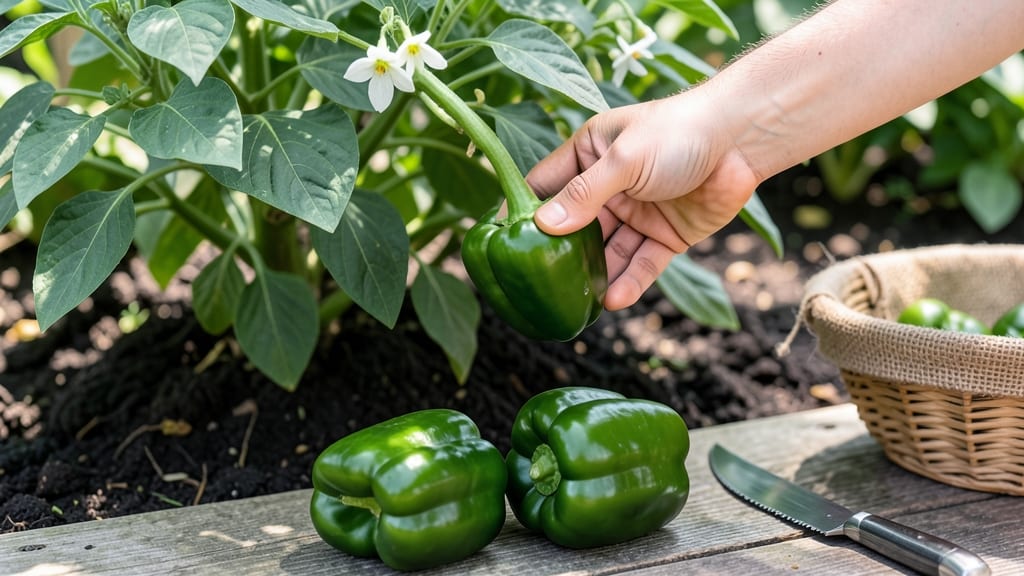
How to know when to pick green bell peppers can make the difference between crisp, flavorful harvests and disappointing, tough produce. The right timing ensures you enjoy their signature sweetness and texture, but many gardeners struggle to identify the perfect moment—often waiting too long or harvesting too soon.
Instead of relying on size alone, I’ll show you three simple tactile tests that reveal when your 🌶️ peppers are ready to pick. These methods—finger pressure, stem separation, and weight-to-size ratio—take the guesswork out of harvesting, so you never miss the ideal window for peak flavor.
Whether you’re a first-time gardener or a seasoned grower, these practical tips will help you avoid common mistakes like overripe peppers or underdeveloped ones. Let’s dive into the science-backed cues that guarantee a perfect harvest every time.
By mastering these techniques, you’ll not only improve your pepper’s taste but also extend your garden’s productivity. Ready to transform your harvest from "meh" to "perfect"? Let’s get started.


3 Tactile tests to determine perfect green bell pepper ripeness
Green bell peppers are ready to pick when they reach the peak of flavor and texture. Unlike red or yellow peppers, green bell peppers are harvested while still firm and unripe. The key is using your hands and senses to identify the perfect moment—before they become tough or bitter.
I’ve tested these methods in my garden for years, and they never fail to deliver crisp, sweet peppers.
Start by examining the pepper’s size and weight. A ripe green bell pepper should feel heavy for its size, indicating full water content and sweetness. Hold it in your palm—if it feels too light or hollow, it’s not ready yet.
This tactile test alone cuts down on wasted effort by eliminating underripe peppers that lack flavor.
Next, perform the finger pressure test. Gently press the pepper’s skin with your thumb. A perfectly ripe green bell pepper will have a slight give but remain firm—like pressing a ripe avocado.
If it feels rock-hard or mushy, it’s either too early or overripe. This test is my go-to because it’s quick and reliable, even in hot afternoons when peppers can soften temporarily.
🌱
- Size-to-Weight Ratio: Hold pepper in hand—ripe peppers feel heavy and dense for their size.
- Finger Pressure Test: Press skin gently—should yield slightly but stay firm (not hard or mushy).
- Stem Twist Test: Grip stem and twist—ripe peppers separate cleanly without tearing fruit.
The stem twist test is my favorite because it’s foolproof. Grasp the pepper’s stem between your thumb and forefinger, then twist gently. A ripe green bell pepper will separate cleanly from the plant with just a slight tug, leaving a small stem nub.
If the pepper resists or tears, it’s not ready—wait another 2-3 days. This method also prevents damage to the plant, which is crucial for continuous production.
Don’t overlook the aroma check, though it’s less tactile. A ripe green bell pepper should have a mild, sweet fragrance near the stem when gently crushed. If there’s no smell, the pepper is underripe.
Overripe peppers, on the other hand, may smell slightly fermented or off. This sensory cue pairs perfectly with the tactile tests for foolproof results.
Timing matters too—harvest every 3-5 days during peak production to encourage more peppers. I’ve found that morning harvests yield the freshest peppers because evening heat can make them softer. Use a sharp pair of pruning shears or clean scissors to avoid crushing the fruit, which can lead to rot.
For container-grown peppers, the same rules apply, but check more frequently since space is limited. Overcrowded plants produce smaller peppers that ripen faster, so prioritize harvesting the largest, heaviest peppers first. This ensures you’re always getting the best quality from your limited space.
If you’re growing multiple pepper varieties, keep a small notebook nearby to track which types ripen fastest. For example, ‘Sweet Banana’ peppers often mature earlier than ‘California Wonder’ varieties. Adjust your harvesting schedule accordingly to avoid missing the window on slower varieties.
🌿
3 Tactile tests to determine perfect green bell pepper ripeness
Green bell peppers are ready to harvest when they pass these three tactile tests—not just when they reach a certain size. My first lesson in pepper growing came when I picked a 3-inch pepper that tasted bitter because it wasn’t fully mature.
The key is using your hands and eyes together to assess ripeness accurately.
Start with the finger pressure test. Gently press a pepper with your thumb and forefinger. A ripe green bell pepper will have a slight give—like pressing a ripe avocado—but won’t feel mushy.
If it springs back immediately, it’s underripe. If it feels soft or dented, it’s overripe and starting to spoil.
The stem separation test is my favorite because it’s foolproof. Hold the pepper near the stem and twist gently. A ripe pepper’s stem will separate cleanly from the plant with just a slight twist.
If the stem resists or tears, the pepper isn’t ready. This test also helps prevent damage to the plant—no more yanking peppers off by force!
Lastly, check the size-to-weight ratio. Hold a pepper in your palm—it should feel heavy for its size, almost like a small melon. This indicates high water content and peak sweetness. Light peppers are underripe, while overly heavy ones may be overripe.
I once ignored this cue and harvested a pepper that weighed the same as a ripe one but was woody and bland—a lesson learned!
Pro tip: Harvest in the morning when temperatures are cool. Peppers contain the most vitamin C and flavor after a night’s rest. Plus, picking early avoids the afternoon heat, which can stress your plants. Always use clean, sharp pruning shears or your hands to avoid tearing the plant.
Remember, green bell peppers are non-climacteric, meaning they won’t ripen further after picking. So timing is everything! If you miss the window, you’ll end up with peppers that are either too bitter or too tough to enjoy. 🌱