
How To
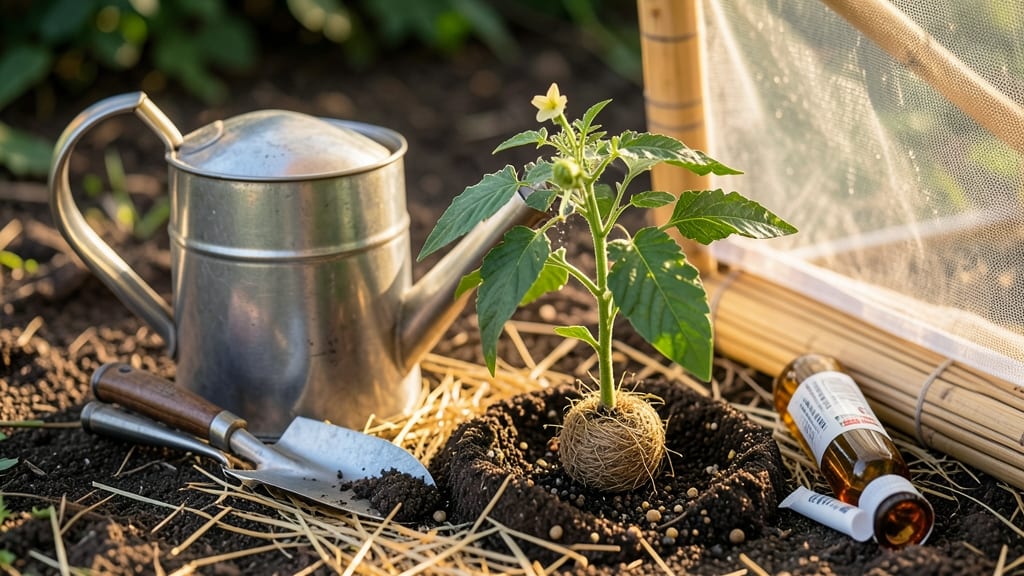
How to help transplant shock ruins more gardens than pests ever could. 🌱 After years of watching seedlings wilt within days of planting, I finally cracked the code—how to give roots a fighting chance when they hit new soil. The secret isn't just gentle handling; it's understanding what plants lose when you move them and how to replace it fast.
Most gardeners focus on the wrong things—watering too much or too little, or ignoring the roots' actual needs. Transplant shock happens when roots get damaged, soil changes abruptly, or plants face new stress they can't handle yet.
My first mistake was planting tomatoes at noon in full sun; by afternoon, they were already wilting. The fix? Prep the soil, time the move right, and protect them like they just survived surgery.
Within 7-10 days, you'll see new growth if you follow the right steps: shade cloth for the first week, deep watering that soaks the roots, and a root booster to jumpstart recovery.
Even mature plants bounce back faster when you mimic their original growing conditions. No more sad, drooping transplants—just strong, thriving plants that take hold like they were always there.
Works for seedlings, perennials, and even finicky tropicals. The same principles apply whether you're moving potted plants or setting out nursery starts. Here's exactly how to do it—no more guesswork, just results.
Why it happens
When you move a plant to a new home—whether it’s a bigger pot, a garden bed, or a different climate—its delicate root systems can go into survival mode. This stress reaction, known as transplant shock, isn’t just a minor hiccup; it’s your plant’s biological alarm system kicking in.
But why does this happen? Let’s dig into the science behind it, so you can outsmart it before it derails your gardening goals.
🌱 Disrupted Root Systems
Plants rely on their roots for everything: water, nutrients, and stability. When you uproot them—even carefully—their roots get damaged or bruised. This isn’t just a surface scratch; it’s like cutting off a human’s circulatory system.
The roots release stress hormones (like abscisic acid) that trigger a shutdown response, slowing growth until the plant can heal.
💡 Pro Tip: The more roots you disturb, the worse the shock. Use the root ball method (keeping the soil intact) to minimize trauma, especially for delicate plants like orchids or bromeliads.
💧 Water and Nutrient Starvation
After transplanting, roots struggle to absorb water and nutrients efficiently. The soil around fresh wounds can dry out faster, while the plant’s energy shifts from growth to repair mode.
Even if you water thoroughly, the disrupted root zone can’t keep up, leading to wilting or yellowing leaves—a classic sign of shock.
🌡️ Key Fact: Overwatering post-transplant can drown stressed roots, worsening the problem. Aim for moist (not soggy) soil and monitor drainage.
🌡️ Temperature and Environmental Whiplash
Plants are creatures of habit. A sudden shift in temperature, light, or humidity throws them off balance. For example, moving a tropical fern from a humid greenhouse to a dry, air-conditioned room can cause its stomata (pores) to close, halting photosynthesis.
Similarly, cold-sensitive plants (like geraniums) may go into shock if exposed to chilly nights after transplanting.
✨ Solution: Acclimate plants gradually to new conditions—this is called hardening off—before the big move.
🛡️ Immune System Overload
Transplanting exposes plants to new pathogens, pests, or even beneficial microbes they’re not used to. Their immune system (yes, plants have one!) gets overwhelmed trying to defend against invaders while also healing. This dual stress can delay recovery or even lead to disease if the plant’s defenses are compromised.
🔥 Warning: Avoid transplanting during peak pest seasons (like spring for aphids) unless you’re prepared to quarantine the plant.
🌿 Soil Mismatch Stress
Not all soil is created equal. If your new planting spot has drastically different pH, texture, or fertility, the plant’s roots may reject it.
For instance, a blueberry bush (which needs acidic soil) will struggle in alkaline garden soil, leading to nutrient deficiencies and shock symptoms like stunted growth or leaf curl.
📊 Test First: Use a soil test kit to match your plant’s needs before transplanting.
Quick Fixes for Transplant Shock
Transplant shock can feel like a setback, but with the right approach, your plants can bounce back stronger than ever. The key is understanding the root causes and applying targeted solutions. Below, we’ve mapped out practical fixes for common triggers—plus prevention tips to keep your greenery thriving long-term.
Cause: Disturbed roots struggle to absorb water and nutrients, slowing recovery. Fix:
- Trim carefully 🔪: Before replanting, trim any broken or overly long roots with clean shears. This encourages new growth.
- Water deeply first 💦: Soak the root ball in water for 10–15 minutes before transplanting. This hydrates stressed roots and reduces shock.
- Use root stimulator 🌿: Mix a diluted rooting hormone (like seaweed extract or willow water) into the planting hole to boost recovery.
Prevention Tip: 💡 For delicate plants (like orchids or succulents), transplant during overcast weather or in the early morning to minimize sun stress.
Cause: Sudden changes in light, temperature, or humidity can stun plants. Fix:
- Gradual acclimation 🌤️: If moving outdoors, place plants in a shaded spot for 3–5 days before full sun exposure. For indoor moves, avoid drafty areas.
- Mulch for stability 🌿: Apply a 2–3 inch layer of mulch (straw or shredded bark) to retain moisture and regulate soil temperature.
- Mist lightly 💧: Spray leaves with water daily for the first week to mimic humidity levels they’re accustomed to.
Prevention Tip: ✨ Label plants with their ideal conditions (e.g., “shade-loving,” “drought-tolerant”) to avoid mismatches during future moves.
Cause: Overwatering or underwatering after transplanting can suffocate or dehydrate roots. Fix:
- Check soil moisture 📊: Stick your finger 1–2 inches into the soil. If dry, water slowly until it drains; if soggy, hold off and improve drainage with perlite.
- Use the “soak and dry” method 🌧️: Water thoroughly, then wait until the top inch of soil is dry before watering again. This prevents root rot.
- Group plants by needs 🌱: Cluster water-loving plants (like ferns) together and drought-tolerant ones (like cacti) separately to simplify care.
Prevention Tip: 💡 Add a moisture meter to your gardening toolkit—it’s a game-changer for avoiding guesswork!
Cause: Poor soil or disrupted root systems can’t access nutrients efficiently. Fix:
- Fertilize lightly 🌱: Wait 2–4 weeks after transplanting before applying fertilizer. Use a balanced, water-soluble formula (like 10-10-10) at half strength.
- Compost tea 🍄: Brew compost tea (steep compost in water for 24 hours, strain) and water plants with it. It’s packed with microbes to revive soil health.
- Top-dress with worm castings 🐛: Sprinkle a thin layer over the soil surface to add natural nutrients without overwhelming the plant.
Prevention Tip: 💪 Amend soil before transplanting with compost or aged manure to give roots a nutrient head start.
Cause: Stressed plants attract pests or develop fungal issues. Fix:
- Inspect leaves 🔍: Look for chewed edges, yellowing, or white powdery mildew. Isolate affected plants and treat with neem oil or insecticidal soap.
- Encourage beneficial insects 🐝: Plant companion flowers (like marigolds) nearby to attract ladybugs and lacewings, which prey on pests.
- Avoid overhead watering 💦: Water at the base to keep foliage dry and deter fungal growth.
Prevention Tip: 🎯 Quarantine new plants for 2 weeks before introducing them to your garden to catch hitchhiking pests early.
Pro Tip for All Causes: 🌟 Patience is key! Most plants show signs of recovery within 2–4 weeks. Avoid the urge to move or repot them again during this time.
Frequently asked questions
How long does it take for plants to recover from transplant shock?
Most plants show signs of recovery within 2-4 weeks if cared for properly. Delicate plants like orchids or seedlings may take up to 6 weeks, while hardy perennials often bounce back in 10-14 days. The key is patience—avoid moving or repotting during this time.
Can I use regular water or do I need special products to help with transplant shock?
Regular water works, but adding a root stimulator like seaweed extract or diluted willow water can speed recovery. For the first week, use lukewarm water (not cold) to encourage root activity. Avoid tap water with chlorine—let it sit out for 24 hours first if possible.
What's the best time of day to transplant plants to minimize shock?
Transplant on overcast days or in the early morning (before 10 AM) to reduce sun stress. Avoid midday heat—roots need time to establish before facing full sunlight. For container plants, move them gradually to match outdoor conditions over 3-5 days.
Will pruning leaves help my plant recover faster from transplant shock?
Yes, but only light pruning—remove 1/3 of the foliage to reduce water loss while roots recover. Avoid heavy pruning on stressed plants, as it removes their energy reserves. Focus on trimming damaged or yellowing leaves instead.
Can I use coffee grounds to help with transplant shock?
Yes! Coffee grounds are rich in nitrogen and beneficial microbes that help revive soil. Mix 1/4 cup into the planting hole or sprinkle lightly around the base. They also repel pests naturally. Just avoid overdoing it—too much acidity can harm some plants.