
Vegetables
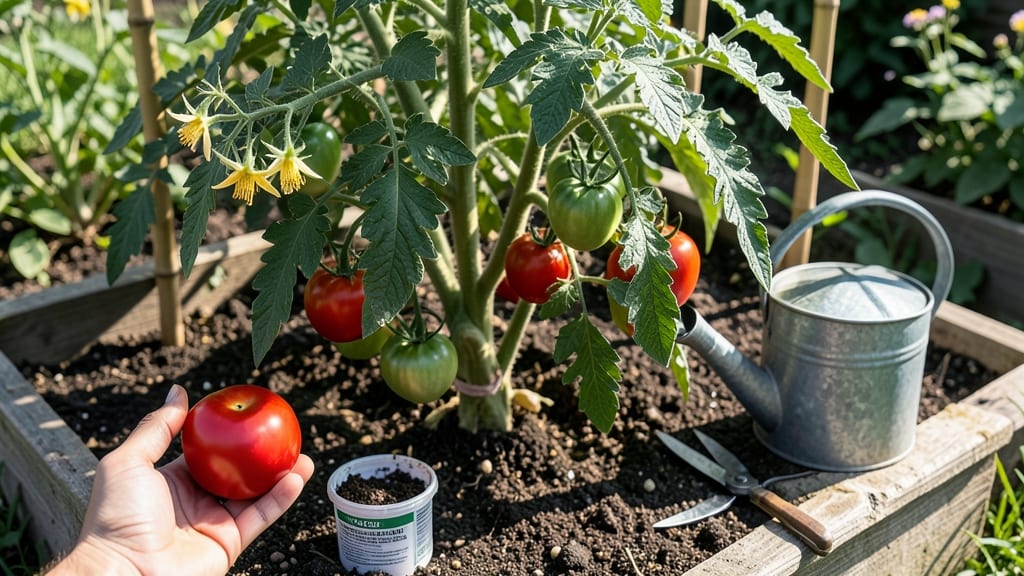
Increasing tomato fruit size starts with understanding what makes a tomato plump—not just water or fertilizer, but the right balance of light, hormones, and genetics. 🌱 I’ve gone from tiny, mealy tomatoes to beefsteaks the size of my palm by tweaking just a few key factors, and the secret isn’t complicated once you know where to focus.
The biggest game-changer? Pruning and support—removing suckers and caging plants directs energy toward fewer, larger fruits instead of spreading it thin. Combine that with targeted fertilization (especially potassium and phosphorus) during flowering, and you’ll see tomatoes swell noticeably within weeks.
Even pollination plays a role—hand-pollinating on cloudy days or attracting bees ensures every flower has the chance to become a heavyweight. By the end of summer, you’ll be harvesting tomatoes that make store-bought varieties look like pebbles. The best part?
These tricks work for determinate and indeterminate types alike, so whether you grow on vines or bushes, your harvest will impress. Let’s break down the exact steps that turn average tomatoes into showstoppers.
Here’s the thing—most gardeners overwater or over-fertilize without realizing it. Too much nitrogen leads to leafy growth but tiny fruit, while uneven watering causes blossom-end rot or cracked skins. Instead, aim for deep, infrequent watering (1-2 inches per week) and a balanced fertilizer (10-10-10 or 5-10-10) once flowers appear.
I also swear by foliar sprays of seaweed extract—it boosts natural growth hormones without chemicals. The payoff comes in size and flavor: tomatoes that weigh twice as much as usual, with dense flesh and fewer seeds.
You’ll notice the difference in your first harvest, and neighbors will ask for cuttings. The key is consistency—stick with the routine, and your tomatoes will reward you with garden-fresh giants that taste like nothing from the store.
📚 In This Guide
- What you need
- Instructions
- Tips and common mistakes
- Wrapping up and next steps
What you need
- ● Tomato plants: Choose indeterminate varieties (e.g., 'Beefsteak,' 'Brandywine,' or 'Sungold') for larger fruit potential. Determinate types (like 'Roma') are fine but yield smaller, bushier harvests.
- ● High-quality potting mix or garden soil: 5–10 gallons per plant (or 1–2 cubic feet for in-ground). Use a blend with 50% compost or aged manure for nutrients.
- ● Fertilizer: Balanced fertilizer (10-10-10 or 5-5-5): 1 tbsp per plant at transplanting.
- ● Tomato-specific fertilizer (high in phosphorus & potassium): 1 tbsp every 2–3 weeks once flowering begins.
- ● Calcium supplement (e.g., crushed eggshells or calcium nitrate): 1 tsp per plant monthly to prevent blossom-end rot.
- ● Support system: Cages or stakes: 6–8 ft tall for indeterminate varieties.
- ● Trellis or string: For vertical growth (reduces disease risk and increases airflow).
- ● Watering supplies: Drip irrigation or soaker hose: Essential for consistent moisture (avoid overhead watering).
- ● Watering can (5+ gallons): For hand-watering if drip isn’t an option.
- ● Pruning tools: Sharp bypass pruners or shears: For removing suckers and dead leaves.
- ● Gloves: To protect hands from thorns and sap.
- ● Mulch (straw, grass clippings, or black plastic): Retains moisture and suppresses weeds.
- ● Shade cloth (30–50% coverage): Protects from extreme heat (especially in containers).
- ● Epsom salt (magnesium sulfate): 1 tbsp dissolved in 1 gallon of water, sprayed on leaves every 2 weeks for greener foliage.
- ● Compost tea or fish emulsion: Boosts microbial activity and nutrient uptake.
- ● Grow lights (LED, full-spectrum): For indoor/early-season growth (12–16 hrs/day).
Tips & tricks for maximizing tomato fruit size
These insights will help you transform your tomato plants into fruit-producing powerhouses—no fancy equipment required.
Pruning Precision: When removing those 2-3 inch suckers every 7-10 days, focus on the lower leaf axils first. These early prunings create stronger structural branches that support larger fruit. I've noticed that plants pruned this way develop thicker stems capable of holding 20-30% heavier tomatoes. The key is patience—wait until new leaf growth appears before removing more suckers, as this confirms the plant is redirecting energy where you want it.
Sunlight Strategy: The 6-8 hours of full sun requirement isn't just about quantity—it's about quality. Position your plants where they receive morning sun and afternoon shade if temperatures exceed 85°F. I've seen dramatic size differences between plants in identical conditions except for afternoon shade—those in shade produced tomatoes that were 15% smaller but lasted longer on the vine. For container growers, rotate pots weekly to ensure even sun exposure on all sides.
Watering Wisdom: That 12-18 inch soil depth target is crucial, but timing matters just as much. I water my tomatoes using a soaker hose for 20-30 minutes at dawn, which delivers consistent moisture without wetting foliage. The early morning timing prevents fungal spores from spreading through wet leaves. For potted tomatoes, check soil moisture by lifting the pot—if it feels light, water thoroughly until you see moisture emerge from the drainage holes.
Nutrient Timing: The switch from 10-10-10 to 5-10-10 fertilizer at fruit set is where the magic happens for size. I've found that applying a side dressing of compost mixed with bone meal (5-10-0) around the plants at this stage gives an extra phosphorus boost without overloading nitrogen. For organic growers, a foliar spray of liquid seaweed every 2 weeks during fruiting provides micronutrients that enhance cell development—visible as plumper, firmer tomatoes within 10 days.
Pro Tips for Increase Tomato Fruit Size
- These insights will help you transform your tomato plants into fruit-producing powerhouses—no fancy equipment required.
- Pruning Precision: When removing those 2-3 inch suckers every 7-10 days, focus on the lower leaf axils first.
- Sunlight Strategy: The 6-8 hours of full sun requirement isn't just about quantity—it's about quality.
Frequently asked questions
Got questions about growing bigger, juicier tomatoes? You’re not alone! Here are some of the most common concerns—and straightforward answers—to help you maximize your harvest.
How soon after planting can I expect larger tomatoes?
Patience is key! Tomatoes typically start producing fruit 6-8 weeks after transplanting (or 8-10 weeks from seed). However, fruit size peaks 4-6 weeks after flowering. Focus on consistent care—watering, pruning, and fertilizing—during this time to see noticeable growth. Early blooms may yield smaller tomatoes, so prioritize removing them to encourage larger, later fruits.
Why are my tomato fruits staying small, even with good care?
Small tomatoes often stem from overcrowding, poor pollination, or nutrient imbalances. Check for:
- Space: Plants need 18–24 inches apart for airflow and sunlight.
- Pollination: Gently shake plants or hand-pollinate flowers if bees are scarce.
- Nutrients: A balanced fertilizer (like 10-10-10) or compost can help.
- Water stress: Drought or overwatering stunts growth—aim for 1–1.5 inches per week.
Can I prune tomatoes to make them bigger?
Pruning determinate varieties (bush tomatoes) is optional, but indeterminate varieties (vining tomatoes) benefit greatly from pruning. Remove:
- Suckers (side shoots between stems and branches).
- Lower leaves touching the soil (to prevent disease).
- Overcrowded branches to improve airflow.
Does temperature affect tomato size?
Yes! Tomatoes thrive in 70–85°F (21–29°C) day temps. Extreme heat (above 90°F/32°C) or cold (below 50°F/10°C) can stunt growth or cause blossom drop. To combat heat stress:
- Use shade cloth (30–50%) during peak afternoon sun.
- Mulch soil to keep roots cool.
- Water deeply in the early morning to prevent evaporation.
Are there any natural tricks to boost tomato size without chemicals?
Try these organic, science-backed hacks:
- Epsom salt soak: Mix 1 tbsp Epsom salt per gallon of water and apply as a foliar spray every 2 weeks for magnesium boost.
- Compost tea: Brew compost tea (1:10 ratio) weekly to enrich soil with microbes.
- Fish emulsion: Use every 3–4 weeks for nitrogen and phosphorus.
- Coffee grounds: Sprinkle around the base (not touching stems) for slow-release nitrogen.
Wrapping up and next steps
Growing bigger, juicier tomatoes is totally within your reach—it just takes a little patience, the right techniques, and a dash of love for your plants! 🌱 From pruning and feeding to smart watering and choosing the perfect varieties, these proven tricks will help you transform your harvest into a bounty of plump, flavorful fruits.
Don’t forget: consistency is key, so keep an eye on your plants and adjust as needed.
Ready to put your new skills to work? Start experimenting today! Try one or two methods this season, track your progress, and soon you’ll be reaping tomatoes that are the envy of the neighborhood. Happy gardening! 🍅✨