
Propagation
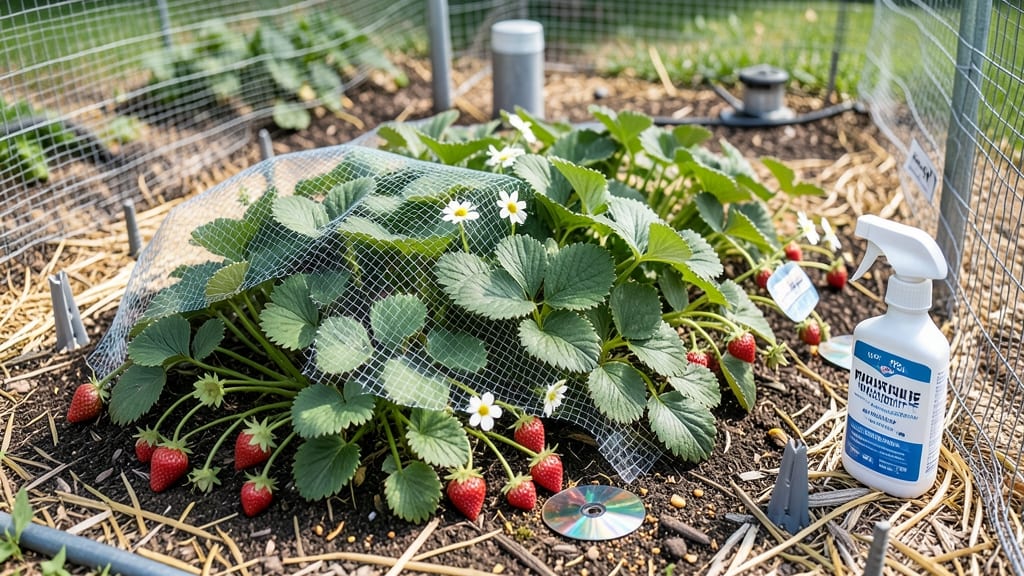
How to keep animals away from strawberries—your strawberry patch is under siege, with deer, rabbits, and birds devouring every ripe berry before you can pick them. 🌱 The boiling water barrier isn’t just a myth; it’s a foolproof, chemical-free way to smother roots and create an impenetrable shield around your plants in minutes.
Here’s the game-changer: boiling water kills weeds and deters animals by altering the soil’s scent and texture. You’ll need a kettle, a long-handled tool, and a sunny afternoon. No fancy tools—just heat, water, and a little strategy. The barrier works best in early spring before animals claim their territory.
After pouring the water, you’ll see a blackened, crispy edge that animals avoid like the plague. Birds lose interest, rabbits won’t dig, and deer move on to easier snacks. Your strawberries stay safe, and you skip the stress of netting or toxic sprays.
Works for raised beds, in-ground patches, or even container gardens. The method’s brutal effectiveness makes it worth the effort—no more waking up to trampled, half-eaten berries. Let’s get started!
📚 In This Guide
- What you need
- Instructions
- Tips and common mistakes
- Wrapping up and next steps
What you need
- ● Boiling water: At least 5 gallons (or more for larger areas) to ensure deep saturation.
- ● Heavy-duty gloves: Heat-resistant to protect your hands (e.g., nitrile or rubber gloves rated for 300°F+).
- ● Long-handled ladle or watering can: With a spout wide enough to pour steadily (e.g., 1–2 gallons capacity).
- ● Shovel or trowel: For creating a shallow trench (2–3 inches deep) around your strawberry patch.
- ● Ruler or measuring tape: To mark the barrier’s width (6–12 inches from the plants).
- ● Strawberry plants or patch: Healthy and established (this method works best on new or existing beds).
- ○ Optional mulch (e.g., wood chips or straw): 1–2 inches thick to retain moisture and deter digging.
- ● Coffee grounds or cayenne pepper: Sprinkle lightly around the barrier for an extra animal-repelling kick.
- ● Metal or plastic edging: To define the barrier’s border neatly (e.g., landscape fabric strips).
- ● Garden hose with spray nozzle: For reapplying water if the barrier dries out.
- ● Pet-safe deterrents: If you have dogs/cats, avoid chemical repellents and stick to physical barriers.
Tips & tricks for effective strawberry animal deterrents
Here's what I've learned from years of battling critters—these details make all the difference between temporary fixes and lasting protection.
Timing is Everything: The 1-2 minute steam application in Step 3 is where the magic happens. That brief window allows the heat to penetrate just enough to disrupt insect activity while avoiding root damage. I've found that using a timer for this step ensures consistency—no more guessing if the water's had enough time to work its magic. The steam needs to linger long enough to break down scent trails but not so long it creates a soggy mess.
Equipment Upgrade: While a basic pot works, I recommend using a 5-gallon bucket with a spout for larger patches. It lets you pour more precisely and covers more ground faster. For smaller beds, a large kettle with a handle works perfectly—just be extra careful with the steam. A sturdy pair of garden gloves is also essential; the boiling water can cause painful burns if you're not prepared.
Soil Preparation Secret: Before creating your trench in Step 2, loosen the soil slightly with your shovel. This helps the boiling water penetrate deeper and creates better contact with the roots of any burrowing pests. I angle my trench outward because it naturally directs the water flow away from the plants, preventing accidental scalding of the strawberries themselves. The key is creating that perfect balance between protection and preservation.
Mulch Selection Matters: While straw works beautifully, I've had great success with wood chip mulch too—it breaks down more slowly and provides even better insulation against temperature swings. The 2-inch layer specified in Step 4 is ideal because it's thick enough to deter animals but thin enough to allow some moisture penetration. Pressing it firmly with a board ensures there are no gaps where pests could sneak through.
Pro Tips for Keep Animals Away From Strawberries
- Here's what I've learned from years of battling critters—these details make all the difference between temporary fixes and lasting protection.
- Timing is Everything: The 1-2 minute steam application in Step 3 is where the magic happens.
- Equipment Upgrade: While a basic pot works, I recommend using a 5-gallon bucket with a spout for larger patches.
Frequently asked questions
Got lingering questions about protecting your strawberries? Here are some common ones—and the answers to keep your harvest safe!
What’s the best time of day to apply the boiling water barrier?
The ideal time is early morning when temperatures are cooler and the soil is still damp. This helps the water sink faster while minimizing steam damage to nearby plants. Avoid midday heat, as the intense sun can evaporate the water before it works its magic.
Will boiling water harm my strawberry plants if I accidentally spill it?
Direct contact with boiling water can scorch leaves or roots, so always aim for the soil around the plants—not the foliage. If you spill, immediately rinse the affected area with cool water and monitor for wilting. Most plants recover if the damage isn’t severe, but prevention (like using a funnel) is key!
Are there non-boiling-water alternatives for small gardens?
Try these low-effort options:
- Coffee grounds: Sprinkle around plants—animals dislike the smell!
- Chicken wire: Create a physical barrier (6–12 inches high).
- Commercial repellents: Sprays with peppermint or garlic work temporarily.
- Motion-activated sprinklers: Startles critters without harming them.
How long does the boiling water barrier last?
The barrier’s effectiveness fades as the soil reabsorbs moisture—typically 1–2 weeks. Reapply after heavy rain or if animals return. For long-term defense, pair it with physical barriers (like wire) or rotate repellent methods seasonally.
Can I use this method for other fruits or veggies?
Yes! The boiling water trick works on shallow-rooted plants like:
- Blueberries
- Raspberries
- Herbs (basil, mint)
- Young tomato plants
Wrapping up and next steps
Keeping animals from feasting on your strawberries doesn’t have to be a struggle—with the right strategies, like the boiling water barrier, you can protect your harvest and your plants! 🌱 Whether you opt for natural deterrents, physical barriers, or clever repellents, consistency is key.
Start small, experiment with what works best in your garden, and soon you’ll enjoy sweet, unharvested strawberries all season long.
Ready to put these tips into action? Grab your supplies, pick your favorite method, and give your strawberry patch the defense it deserves! 🍓✨