
Pests
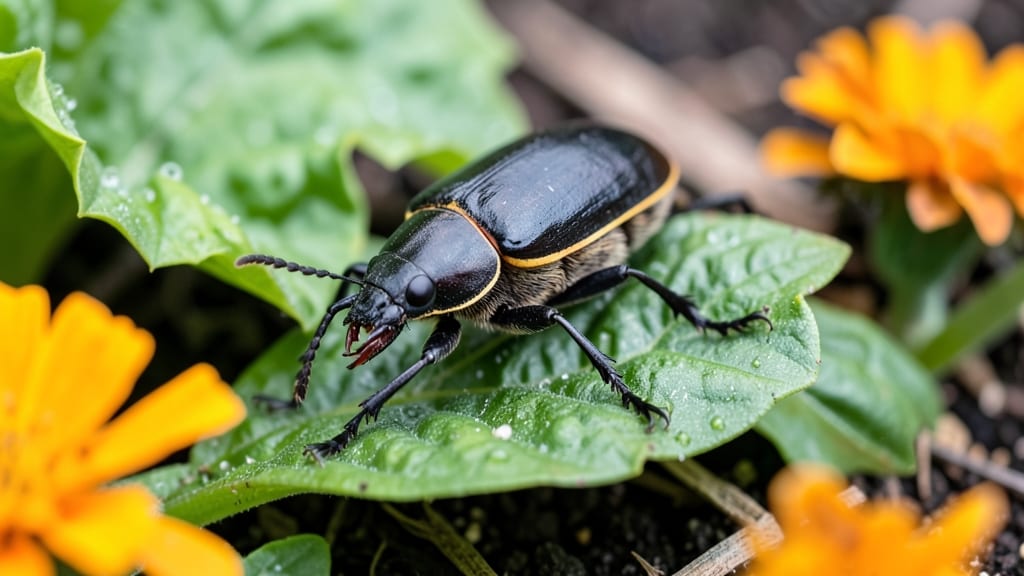
How to keep bugs out of your garden naturally doesn’t mean sacrificing your harvest or resorting to harsh chemicals. 🌱 I’ve spent years testing plant-powered barriers that actually work—no guesswork, just clever plant pairings and simple tricks that keep pests out while making your garden stronger.
The secret? A few key plants act like natural bodyguards. Marigolds repel nematodes, basil confuses aphids, and nasturtiums lure squash bugs away from your veggies. These aren’t just theories—I’ve seen them stop pests in their tracks within days of planting.
No more spraying toxins or losing crops to hungry insects. Your garden stays lush, your veggies thrive, and the ecosystem stays balanced. The best part? These methods work for every type of garden, from tiny containers to sprawling backyard plots.
Ready to turn your garden into a pest-free paradise? The first step is choosing the right plant allies—let’s get started with what actually makes a difference.
📚 In This Guide
- What you need
- Instructions
- Tips and common mistakes
- Wrapping up and next steps
What you need
- ● Plants: Marigolds (5-10 plants) – repel aphids, mosquitoes, and nematodes
- ● Basil (3-5 plants) – deters flies, mosquitoes, and thrips
- ● Lavender (2-3 plants) – keeps moths and fleas away
- ● Garlic chives (1-2 plants) – wards off Japanese beetles and carrot flies
- ● Mint (1-2 plants) – deters ants, spiders, and mice (use in containers!)
- ● Nasturtiums (5-10 plants) – repel squash bugs and aphids
- ● Natural Sprays (DIY): 1 gallon water
- ● 1 tbsp dish soap (mild, like Dawn)
- ● 1 tbsp neem oil (or 1 tbsp vegetable oil as a backup)
- ○ 1 crushed garlic clove or 1 tsp cayenne pepper (optional, for extra punch!)
- ● Barrier Tools: Row covers (lightweight fabric, 3’x5’ or custom size)
- ● Stakes or hoops (for securing row covers)
- ● Twine or zip ties (to fasten covers)
- ● Soil & Mulch: Diatomaceous earth (food-grade, 1-2 lbs)
- ● Wood ash (1-2 cups) – sprinkle lightly around plants
- ● Straw or shredded leaves (for mulching)
- ● Citrus or lemon peels (dried or fresh) – hang near entry points to repel ants
- ● Beer traps (for slugs – use shallow dishes filled with beer)
- ● Ladybugs or praying mantis eggs (purchase online for biological control)
- ● Essential oil diffuser (with peppermint or eucalyptus oil for patio areas)
Step-by-Step instructions for creating natural bug-repelling garden barriers
Here's how I transform problem gardens into pest-free havens using plants that bugs can't stand.
🌿 Step 1: Select Your Plant-Powered Barrier Plants
Choose plants with strong fragrances or toxic compounds that naturally repel pests. My go-to combinations include marigolds (deter beetles), basil (keeps flies and mosquitoes away), lavender (repels moths and fleas), and garlic chives (dissuade aphids and Japanese beetles). Plant these in a 2-3 foot border around your garden's perimeter—they'll create an invisible shield that bugs avoid.
For vegetable gardens, interplant herbs like dill and fennel among your crops—their strong scents confuse pests while attracting beneficial insects. I always include nasturtiums as a sacrificial plant; aphids prefer them to your prized tomatoes. The key is variety: no single plant repels everything, but together they create a multi-layered defense system.
🌱 Step 2: Plant Strategically for Maximum Coverage
Install your barrier plants 4-6 weeks before the pests typically arrive in your area. For most climates, this means early spring planting. Space them 12-18 inches apart so they grow together to form a dense living wall. I like to plant taller varieties like rosemary and wormwood at the back, with shorter basil and thyme in front to create visual and olfactory layers.
Pay attention to sunlight needs—most repellent plants require full sun (6+ hours daily). If your garden has shady spots, swap in mint or lemon balm instead; they thrive in partial shade while still repelling pests. The denser the planting, the more effective the barrier becomes—aim for plants touching when mature.
☀️ Step 3: Maintain Plants for Continuous Protection
Regular maintenance keeps your barrier plants at peak pest-repelling strength. Water deeply 2-3 times weekly during dry spells, but avoid overwatering—soggy soil attracts fungus gnats and other pests. I fertilize lightly with compost tea every 4-6 weeks to boost natural oils that bugs dislike. Prune plants back by one-third in early summer to encourage bushier growth and more fragrance.
Harvest leaves occasionally—this stimulates new growth and maintains the plant's vigor. For example, pinch back basil stems regularly to keep it producing new leaves that release more repellent oils. The more you interact with these plants, the stronger their protective qualities become. I also rotate crops annually to prevent pest adaptation to the barrier system.
🪴 Step 4: Enhance with Companion Planting Techniques
Layer your barrier plants with companion planting inside the garden. For example, place carrots near rosemary to deter carrot flies, or grow beans near basil to improve both plants' health while confusing pests. The combination creates a confusion effect that makes it harder for bugs to find their preferred hosts. I also plant traps crops like radishes near brassicas—they attract cabbage worms away from your broccoli and kale.
For flower gardens, interplant calendula among your roses—they repel aphids while attracting hoverflies that eat aphid eggs. The goal is to create a diverse ecosystem where pests have nowhere to hide. This method works best when you think like a bug: what would make their life miserable? Strong scents, unexpected textures, and crowded spaces all help.
⏰ Step 5: Monitor and Adjust Seasonally
Check your barrier system weekly during growing season. If you notice pests breaching the barrier, add more plants or rotate varieties. For example, if Japanese beetles are getting through, plant tansy—they hate its scent. I keep a garden journal noting which pests appear each season so I can adjust my barrier plants accordingly. In fall, I leave some repellent plants standing over winter—their roots continue releasing natural deterrents even when dormant.
For container gardens, use potted herbs like citronella or lemongrass near seating areas—their fragrance creates a natural mosquito-free zone. The beauty of this system is its flexibility: you can adjust based on what pests actually show up in your garden each year. With time, you'll develop a custom barrier that works perfectly for your specific climate and pest challenges.
Tips & tricks for creating effective natural bug barriers
These plant-powered strategies will help you maximize your garden's pest protection—without chemicals. The secret lies in understanding how bugs perceive their environment.
Layer Your Defenses: In Step 1, when selecting your barrier plants, consider adding a third layer of protection by incorporating chives or garlic near the perimeter. These plants release sulfur compounds that many insects find overwhelming. The combination of marigolds' pyrethrins, basil's eugenol, and garlic's allicin creates a multi-sensory repellent that's far more effective than any single plant working alone. Think of it as creating an olfactory minefield that pests instinctively avoid.
Sunlight Optimization: Step 2 emphasizes full sun requirements, but here's the key detail: most repellent plants need at least 6 hours of direct sunlight to produce their maximum essential oils. If your garden has morning sun but afternoon shade, prioritize planting sun-lovers like rosemary and lavender where they'll get the most sunlight. For afternoon shade spots, mint or lemon balm will still provide protection while thriving in lower light conditions. The more essential oils these plants produce, the stronger their repellent properties become.
Maintenance Matters: When maintaining your barrier plants in Step 3, don't overlook the importance of regular harvesting. Pinching back basil stems and harvesting leaves stimulates new growth, which means more leaves producing those repellent oils. I've found that harvesting every 2-3 weeks keeps basil particularly vigorous. For woody plants like rosemary, a light pruning every 4-6 weeks encourages bushier growth that creates a denser barrier. The more you interact with these plants, the more effective they become at keeping bugs at bay.
Seasonal Adaptability: In Step 5, when monitoring your barrier system weekly, pay special attention to seasonal pest patterns. Japanese beetles, for example, typically emerge in late June, so planting tansy in early June gives you a head start on their arrival. Similarly, aphids often appear in spring, so having nasturtiums established early creates an effective early-season barrier. Keep a simple garden journal noting which pests appear each month—this will help you adjust your plant selections for maximum effectiveness throughout the growing season.
Pro Tips for Keep Bugs Out Of Garden Naturally
- These plant-powered strategies will help you maximize your garden's pest protection—without chemicals.
- Layer Your Defenses: In Step 1, when selecting your barrier plants, consider adding a third layer of protection by incorporating chives or garlic near the perimeter.
- Sunlight Optimization: Step 2 emphasizes full sun requirements, but here's the key detail: most repellent plants need at least 6 hours of direct sunlight to produce their maximum essential oils.
Frequently asked questions
Got questions about keeping bugs out of your garden the natural way? You’re not alone!
Here are some of the most common queries—and straightforward answers—to help you protect your plants without harsh chemicals.
What’s the fastest way to see results with natural pest control?
Most natural methods like neem oil or companion planting (e.g., marigolds with tomatoes) show noticeable effects within 3–7 days. For instant relief, try a soapy water spray (1 tsp mild soap per quart of water)—it works on contact for soft-bodied pests like aphids.
Can I use coffee grounds to repel bugs, and how often should I apply them?
Yes! Coffee grounds deter slugs, ants, and even some beetles thanks to their strong scent. Sprinkle a thin layer around plants or garden edges, but reapply every 2–3 weeks (or after rain). Avoid overdoing it—too much can acidify soil. Pro tip: Mix with eggshells for extra protection!
Are there any plants that naturally repel bugs without harming beneficial insects?
Companion plants
like basil (repels mosquitoes and thrips), lavender (deters flies and moths), and garlic (keeps aphids away) are bee- and butterfly-friendly. Avoid pyrethrum-based plants (like chrysanthemums), which can harm pollinators.
What should I do if bugs return after using natural methods?
If pests persist, rotate your strategies. Try:
- Introducing predatory insects (like ladybugs for aphids).
- Adjusting watering schedules (overwatering attracts slugs!).
- Adding diatomaceous earth (food-grade only) as a last resort.
Is it safe to use essential oils on edible plants?
Yes, but dilute them properly! Mix 5–10 drops of oils like peppermint, rosemary, or citrus with 1 cup of water and a teaspoon of soap. Test on a small leaf first—some plants (e.g., mint) can be invasive if planted nearby. Avoid oils with phenols (like clove oil), which may harm plants.
Still stumped?
Drop your specific pest problem in the comments—we’ve got more tailored tips!
Wrapping up and next steps
Keeping bugs out of your garden naturally isn’t just possible—it’s easy with the right plant-powered strategies! From marigolds to basil, these garden allies work instantly to deter pests while boosting your harvest. 🌱✨
Now that you’re armed with these chemical-free solutions, it’s time to roll up your sleeves! Start by planting a few of these bug-repelling champions around your garden’s edges, and watch your green space thrive without the hassle. Happy gardening—your future harvest (and sanity) will thank you!