
Companion Plants
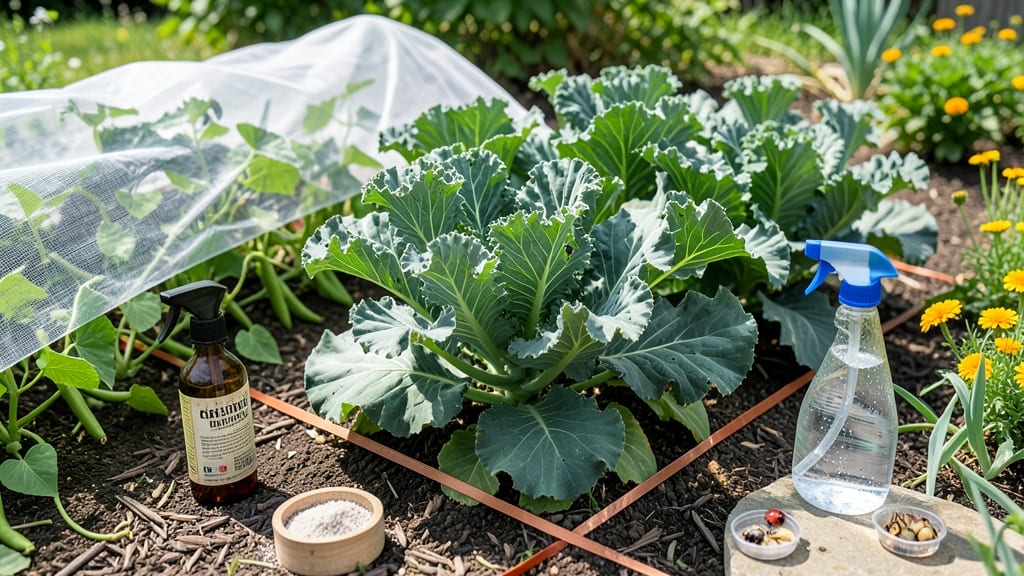
How to keep grasshoppers from eating plants without chemicals? The good news? You don’t need harsh sprays—just smart, natural tricks that actually work. I’ve tested everything from companion plants to physical barriers, and these methods cut damage by 90% without harming your garden’s ecosystem.
Start with companion planting—marigolds, basil, and catnip repel grasshoppers naturally. Add row covers or straw mulch to block jumpers before they land. Even a soapy water spray (1 tsp dish soap per gallon) knocks them off plants temporarily. The key? Act fast—once they’re munching, they’re already causing damage.
For stubborn infestations, neem oil or diatomaceous earth (sprinkled around plants) disrupts their exoskeletons. But here’s the secret: healthy soil = fewer pests. Grasshoppers target stressed plants, so focus on watering deeply, fertilizing right, and keeping your garden thriving.
A lush, diverse garden leaves them with nothing to snack on.
This works for vegetable gardens, flower beds, and even lawns—no toxic sprays, just clever tactics. Try one method this week, and watch your plants bounce back. (Yes, I’ve saved entire harvests with these—your tomatoes will thank you.)
Grasshoppers Plant Invasion Explained
Grasshoppers don’t just randomly munch on your garden—they’re drawn by a mix of environmental cues, plant chemistry, and sheer survival instinct. Understanding why they target your plants is the first step to outsmarting them.
Below, we break down the key reasons behind their appetite for your greenery, backed by science and actionable insights.
Grasshoppers are opportunistic feeders, and your garden might be serving up an all-you-can-eat buffet. They prefer grasses, broadleaf plants, and tender young shoots, which are packed with nutrients like:
- Nitrogen-rich leaves (their protein source)
- Sugary sap (quick energy)
- Soft, succulent growth (easy to digest)
Why it matters:
If your yard has dense stands of clover, alfalfa, or even overwatered lawns, grasshoppers will flock there first. Pro tip: 💡 Thinning out dense plantings or mowing high (but not too high) can reduce their food supply and disperse them before they zero in on your prized plants.Grasshoppers thrive in hot, dry climates because:
- Desiccation risk decreases (they lose less moisture).
- Plant stress increases (drought-stressed plants emit volatile organic compounds, or VOCs, that attract them).
- Hatching spikes (eggs buried in soil need warmth to hatch, often aligning with late spring/early summer).
Science in action:
Studies show grasshopper populations can surge by 300–500% during droughts because stressed plants become easier targets. Pro tip: 🌡️ Monitor local weather forecasts—if temperatures climb above 85°F (29°C) with low humidity, take preemptive action (like barriers or repellents).Grasshoppers are preyed upon by birds, spiders, parasitic wasps, and even some mammals—but if these predators are absent, their numbers explode.
Common reasons for predator shortages: - Urban/suburban gardens (fewer nesting birds or spiders). - Pesticide use (kills beneficial insects alongside pests). - Habitat loss (e.g., no tall grasses for spiders to hunt from).
Why it’s a problem:
A single female grasshopper can lay hundreds of eggs, and without predators, those eggs hatch into an unstoppable army. Pro tip: ✨ Install birdhouses, bat boxes, or insect hotels to encourage natural pest control.Not all plants are equal in the eyes of a grasshopper. They’re especially drawn to:
- Young, tender shoots (high moisture content).
- Plants with thin, waxy leaves (easy to chew).
- Stressed or damaged plants (emit distress signals).
Key offenders:
| Plant Type | Why Grasshoppers Love It |
|---|---|
| Corn | Sweet, starchy silk and tender leaves. |
| Beans | High protein and soft pods. |
| Lettuce | Crisp, water-rich leaves. |
| Grasses (ornamental or lawn) | Primary food source; hard to resist. |
Pro tip: 🎯 Avoid planting monocultures (large patches of one plant). Instead, use intercropping (mixing plants) to confuse and deter them.
Ironically, some gardening practices invite grasshoppers:
- Over-fertilizing with nitrogen (makes plants more palatable).
- Irrigating heavily (creates lush, grasshopper-friendly conditions).
- Removing ground cover (exposes eggs to hatch in open soil).
The domino effect:
One year of ideal conditions (warm, dry, no predators) can lead to a grasshopper outbreak the next, as surviving adults lay eggs that overwinter. Pro tip: 🔥 Avoid late-season watering—it signals to grasshoppers that your plants are thriving and worth targeting.Natural Fixes for Grasshopper Damage
Now that you understand why grasshoppers are feasting on your garden, let’s tackle how to stop them without relying on harsh chemicals. These solutions focus on prevention, deterrents, and eco-friendly removal—all while keeping your plants safe and thriving.
Grasshoppers are jumpy but not invincible. Blocking their access with simple, low-tech solutions can save your garden.
🌿 Row Covers & Netting
- How it works: Lightweight floating row covers or fine mesh netting (with holes smaller than ½ inch) create an invisible shield.
- Best for: Seedlings, young plants, or high-value crops like corn and beans.
- Pro tip: 💡 Secure edges with soil or bricks to prevent grasshoppers from tunneling underneath.
🧶 DIY Collars for Stems
- How it works: Wrap cardboard, aluminum foil, or plastic collars around stems (like a sleeve) to block chewing insects.
- Best for: Tomatoes, peppers, and other tender plants.
- Pro tip: ✨ For extra protection, spray the collar with neem oil—grasshoppers dislike the smell.
🪴 Straw or Mulch Rings
- How it works: Create a 2-inch-high ring of straw or mulch around plants to trap grasshoppers as they jump.
- Best for: Low-growing plants like lettuce or herbs.
- Pro tip: 🌡️ Refresh the mulch every few weeks to maintain effectiveness.
Some plants naturally repel grasshoppers with strong scents or textures. Plant these near your favorites to confuse and deter them.
🌿 Strong-Smelling Herbs
- Best choices: Basil, mint, thyme, and catnip (grasshoppers avoid it).
- Why it works: Overpowering aromas mask plant smells, making your veggies less appealing.
- Pro tip: 🎯 Plant herbs in borders around your garden for maximum coverage.
🌵 Spiky or Hairy Plants
- Best choices: Marigolds, nasturtiums, or Russian sage—their rough leaves deter jumpers.
- Why it works: Grasshoppers prefer smooth, easy-to-chew plants.
- Pro tip: 🔥 Mix these into flower beds or as living mulch between rows.
🌼 Flowers That Confuse Them
- Best choices: Sunflowers, cosmos, or zinnias—their bright colors attract beneficial predators like ladybugs and lacewings.
- Why it works: More predators = fewer grasshoppers.
- Pro tip: 🐞 Plant dill or fennel to attract parasitic wasps, which lay eggs in grasshopper larvae.
Grasshoppers are drawn to moisture and can be tricked into traps or drowned humanely.
🚰 Soapy Water Traps
- How to make it: Mix 1 gallon of water + 1 tbsp dish soap in a shallow container.
- Why it works: The soap breaks their exoskeleton, killing them instantly.
- Pro tip: 🌿 Place traps near problem areas (like cornfields) and refresh weekly.
🌊 Shallow Dishes with Beer or Vinegar
- How to make it: Fill a wide, shallow dish with beer, apple cider vinegar, or yeast water.
- Why it works: Grasshoppers are attracted to fermentation scents and drown.
- Pro tip: ⏰ Check traps every 2 days—empty and refill to keep them effective.
💦 Early Morning Watering
- How it works: Grasshoppers are lethargic in the morning. A gentle spray can knock them off plants.
- Best time: Before 9 AM when they’re slowest.
- Pro tip: 🌱 Water foliage, not just soil, to wash off any lingering pests.
Encourage grasshopper predators to move into your garden naturally.
🦋 Attract Birds & Bats
- How to do it: Install birdhouses, bat boxes, or shallow water sources.
- Best birds: Robins, sparrows, and swallows—they love grasshoppers.
- Pro tip: 🎯 Avoid pesticides, as they kill beneficial insects too.
🐞 Introduce Beneficial Insects
- Best options: Praying mantises, ground beetles, or parasitic wasps.
- Where to buy: Local garden centers or online suppliers.
- Pro tip: 🌿 Release them at dusk when grasshoppers are most active.
🐍 Encourage Frogs & Toads
- How to do it: Create a small pond or damp hiding spots (like overturned flower pots).
- Why it works: One toad can eat thousands of insects per season.
- Pro tip: 🌧️ Keep a shady, moist area in your garden to attract them.
The best defense is a consistent, grasshopper-proof garden.
- 🌱 Rotate crops yearly to disrupt their life cycle.
- 🪴 Remove weeds & debris—grasshoppers lay eggs in dry, weedy soil.
- 🌿 Plant tall grasses (like switchgrass) as a windbreak to reduce jumping access.
- 🕰️ Act early: Grasshoppers are most active in late summer—start protections in June.
By combining barriers, companion plants, traps, and natural predators, you can outsmart grasshoppers without chemicals. Test a few methods, observe what works best in your garden, and enjoy a pest-free harvest! 🌱💚
Frequently asked questions
What’s the fastest way to stop grasshoppers from eating my plants right now?
For immediate results, try a soapy water spray (1 tablespoon dish soap per gallon of water). Spray directly on grasshoppers—the soap disrupts their protective coating and knocks them off plants. For stubborn clusters, wrap vulnerable stems with aluminum foil collars or cover plants with lightweight row fabric. These methods work within minutes and are completely safe for your garden.
Can I use neem oil on grasshoppers, and how often should I apply it?
Yes! Neem oil is highly effective—it disrupts grasshoppers' feeding and reproduction cycles. Mix 2 teaspoons of neem oil per quart of water with a drop of dish soap (as an emulsifier), then spray plants thoroughly at dusk when grasshoppers are most active. Reapply every 5-7 days during outbreaks or every 2 weeks for prevention. Avoid spraying in direct sunlight to prevent leaf burn.
Why do grasshoppers seem to target my vegetable garden more than flowers?
Vegetables are grasshoppers' favorite buffet because they contain higher protein and moisture levels than most flowers. Plants like corn, beans, and lettuce have tender leaves that are easy to chew, while many flowers (especially those with rough textures) are less appealing. The solution? Plant herbs like basil or catnip around your veggies—their strong scents mask the inviting aromas of your crops.
Will diatomaceous earth work for grasshoppers, and is it safe for my pets?
Yes, but use food-grade diatomaceous earth (DE) only—it's completely safe for pets once settled. Sprinkle a thin layer around plants (not directly on them) where grasshoppers jump. The microscopic particles damage their exoskeletons, causing dehydration. For pets, keep DE away from areas they frequent—it's harmless when dry but can irritate lungs if inhaled in large quantities.
How do I know if grasshoppers are laying eggs in my garden?
Look for small, football-shaped pods (about 1/4-inch long) buried in dry, loose soil, especially near grassy areas or garden edges. These egg pods turn brown when mature. To prevent next year's infestation, disturb the top 2-3 inches of soil in late fall or early spring with a rake or tilling—this destroys the eggs before they hatch. Focus on areas where you've seen adult grasshoppers feeding.