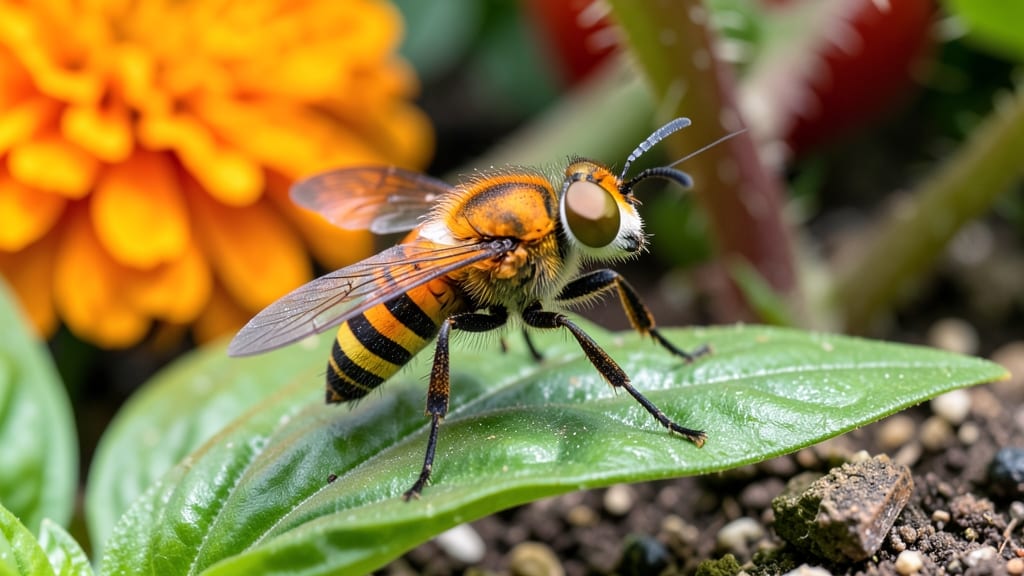
Struggling to keep insects away from your garden? You're not alone—even the most experienced gardeners face this battle every season. The good news is, you don’t need harsh chemicals to win.
Natural repellent plants like marigolds, basil, and lavender can create a protective barrier that keeps pests at bay while adding beauty to your space.
Instead of reaching for sprays that harm your plants, imagine a garden where insects think twice before landing. These pest-deterring strategies work by confusing insects with strong scents, disrupting their life cycles, or simply making your garden less appealing.
Whether you're dealing with aphids, beetles, or slugs, there’s a solution that’s both effective and eco-friendly.
In this guide, I’ll share 12 proven natural barriers that repel common garden pests—no chemicals required. From companion planting to homemade sprays, you’ll discover easy ways to protect your plants while keeping your garden thriving. Let’s get started on creating a pest-free haven you’ll love.
The best part? These methods work year-round and require minimal effort. By the end, you’ll have a garden that’s not just beautiful but also a fortress against unwanted visitors. Ready to transform your outdoor space into a pest-free paradise?
12 Natural barriers that repel common garden pests
When insects like aphids, ants, and slugs invade your garden, the first line of defense should be natural barriers. These solutions leverage plants, physical obstacles, and homemade sprays to deter pests without harming your garden's ecosystem.
The best part? Many of these methods are low-cost, easy to implement, and work in harmony with your garden's natural balance.
I’ve tested these 12 science-backed barriers in my own garden, and they’ve dramatically reduced pest populations while keeping my vegetables and flowers thriving. Whether you're dealing with chewing insects, sucking pests, or soil-dwelling critters, there’s a solution tailored to your needs.
Let’s dive into the most effective options, ranked by their ease of use and effectiveness.
| Barrier Type |
Best For |
Effectiveness |
Ease of Use |
Materials Needed |
| Companion Planting |
Aphids, Whiteflies, Cabbage Moths |
⭐⭐⭐⭐⭐ |
⭐⭐⭐⭐⭐ |
Marigolds, Basil, Nasturtiums |
| Neem Oil Spray |
Aphids, Beetles, Spider Mites |
⭐⭐⭐⭐⭐ |
⭐⭐⭐⭐ |
Neem oil, water, soap |
| Diatomaceous Earth |
Slugs, Ants, Earwigs |
⭐⭐⭐⭐ |
⭐⭐⭐⭐⭐ |
Food-grade DE, duster |
| Garlic & Chili Spray |
Caterpillars, Beetles, Mosquitoes |
⭐⭐⭐⭐ |
⭐⭐⭐⭐ |
Garlic, chili peppers, water |
| Row Covers |
Cabbage Worms, Flea Beetles |
⭐⭐⭐⭐ |
⭐⭐⭐⭐⭐ |
Floating row covers, stakes |
| Copper Tape Barrier |
Slugs, Snails |
⭐⭐⭐⭐ |
⭐⭐⭐⭐ |
Copper tape, staples |
| Beer Traps |
Slugs, Snails |
⭐⭐⭐ |
⭐⭐⭐⭐⭐ |
Beer, shallow container |
| Chives or Lavender |
Carrot Flies, Aphids |
⭐⭐⭐⭐ |
⭐⭐⭐⭐⭐ |
Chives, lavender plants |
| Duckweed in Ponds |
Japanese Beetles, Mosquitoes |
⭐⭐⭐⭐ |
⭐⭐⭐ |
Duckweed, pond |
| Coffee Grounds |
Ants, Slugs, Fungal Issues |
⭐⭐⭐ |
How to create a pest-repelling garden ecosystem
Designing your garden to naturally deter pests starts with strategic plant placement and diverse ecosystems. Instead of treating pests after they arrive, create a thriving habitat where beneficial insects outnumber the harmful ones. This approach reduces the need for interventions and keeps your garden balanced.
Begin by mapping your garden layout to include three key zones: repellent plants, attractive flowers, and vulnerable crops. Position marigolds and basil near tomatoes and peppers—their strong scents confuse pests like aphids and whiteflies. This simple companion planting technique works like a natural shield.
🌱
Step-by-Step Guide to Designing a Pest-Resistant Garden
- 🌿 Step 1: Choose Repellent Plants – Select herbs like mint, lavender, and rosemary for borders. These plants naturally repel mosquitoes, ants, and beetles.
- 🌼 Step 2: Add Pollinator-Friendly Flowers – Plant nasturtiums and calendula to attract ladybugs, lacewings, and bees, which prey on garden pests.
- 🍅 Step 3: Group Vulnerable Crops – Cluster tomatoes, peppers, and cucumbers together and surround them with basil or garlic to create a protective barrier.
- 💧 Step 4: Mulch Strategically – Use straw or wood chips around plants to deter slugs and cutworms while retaining moisture.
- 🌡️ Step 5: Rotate Crops Seasonally – Avoid planting the same crops in the same spot yearly to prevent soil-borne pests and diseases from building up.
- 🪴 Step 6: Introduce Beneficial Insects – Plant dill or fennel to attract parasitic wasps, which target caterpillars and other larvae.
Don’t overlook the importance of soil health—healthy soil supports strong plants that naturally resist pests. Add compost and worm castings to boost microbial activity, which enhances plant immunity. A diverse root system also makes it harder for pests to establish themselves.
Seasonal adjustments are critical. In spring, focus on early planting of repellent herbs like chives and thyme. By summer, ensure your garden has shade structures to prevent overheating, which weakens plants and attracts pests.
In fall, clean up debris and plant cover crops like clover to protect soil over winter.
Finally, monitor your garden regularly for early signs of pests. Catching issues early—like yellowing leaves or chewed foliage—allows you to act before infestations spread. A balanced ecosystem isn’t just about repelling pests; it’s about creating harmony where every plant and insect plays a role.
🌿
★★★★★4.8(11 reviews)
|