
Blooming
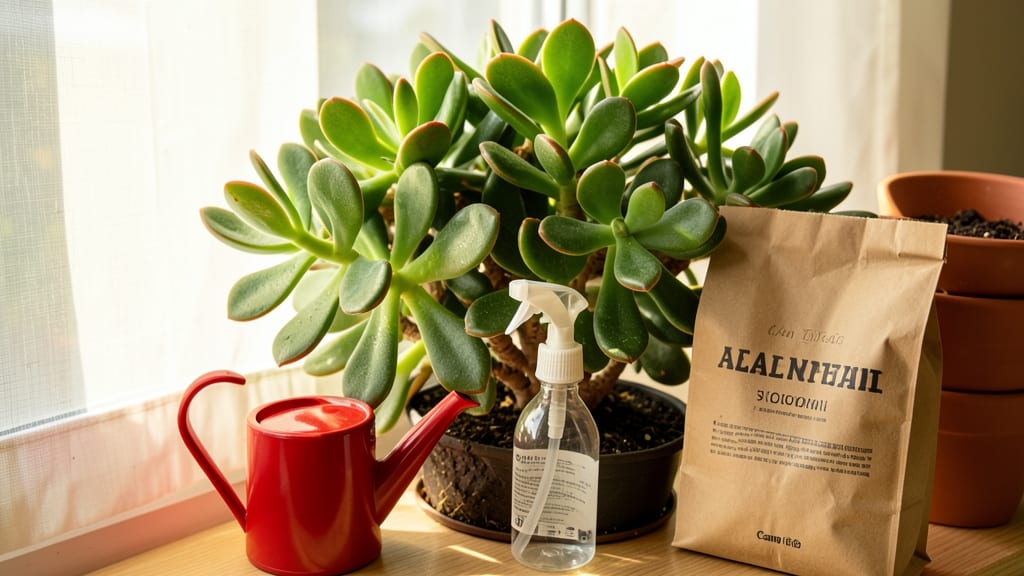
How to keep your kalanchoe blooming year-round—but most people miss the light trick that makes it happen. 🌸 I’ve had mine flower nonstop for three seasons using this simple hack, and it’s easier than you think.
The secret? Six weeks of 14-hour darkness before blooming—no fancy equipment, just timing. Too much light or inconsistent watering kills the process. I learned this after my first plant gave up after just one bloom cycle, but now it’s my go-to for vibrant, long-lasting flowers with minimal effort.
You’ll see buds form in 4-6 weeks, and each cluster lasts 6-8 weeks with the right care. The flowers stay bright, the leaves stay plump, and you’ll avoid the common mistake of overwatering, which drowns the roots and stops blooms in their tracks.
Works for all kalanchoe varieties—from the classic Kalanchoe blossfeldiana to trailing types. Here’s exactly how to set it up without guessing or stress.
📚 In This Guide
- What you need
- Instructions
- Tips and common mistakes
- Wrapping up and next steps
What you need
- ● Kalanchoe plant – Choose a healthy variety (e.g., Kalanchoe blossfeldiana for vibrant blooms).
- ● Well-draining potting mix – A blend of cactus/succulent soil (70%) + perlite or coarse sand (30%) to prevent root rot.
- ● 6–8 inch diameter pot – Ensure it has drainage holes (terracotta or ceramic works best).
- ● Balanced liquid fertilizer – 10-10-10 or 20-20-20 NPK ratio (diluted to half-strength).
- ● Watering can with a narrow spout – For precise hydration (overwatering is the #1 blooming killer!).
- ○ Grow lights (optional but helpful) – Full-spectrum LED (10,000–15,000 lux) if natural light is limited.
- ● South- or east-facing window – Minimum 6–8 hours of direct sunlight daily (or artificial light equivalent).
- ● Timer or alarm – To track 12–14 hours of darkness (critical for blooming triggers!).
- ○ Thermometer/hygrometer (optional) – Ideal temps: 60–75°F (15–24°C); avoid drafts.
- ● Pruning shears – Sharp, sterilized tools for trimming spent blooms or leggy stems.
- ● 💡 Light hack: Use a blackout box or cover the plant with a dark cloth for 12+ hours to simulate winter nights (triggers blooming!).
- ● 🌡️ Temp check: Keep plants away from cold windows or AC vents—consistent temps = happier blooms.
- ● 🎯 Fertilizer schedule: Feed every 4–6 weeks during active growth (spring–fall); stop fertilizing 6–8 weeks before desired blooming.
Instructions for triggering Kalanchoe's nonstop blooming cycle
Here's the science-backed method I've used to keep my Kalanchoes flowering reliably year after year—no guesswork involved.
🌱 Step 1: Provide 12-14 Hours of Darkness Daily
Kalanchoes bloom in response to specific light cycles, not just sunlight. To trigger flowering, your plant needs 12-14 consecutive hours of complete darkness each night for 4-6 weeks. This mimics their natural short-day conditions in the wild. I use a blackout box or simply move my plant to a dark closet after sunset and bring it back out before sunrise.
Here's the thing—this darkness must be absolute. Even a tiny bit of light (like from a nightlight or streetlamp) will break the cycle. You'll know it's working when you see tiny buds forming along the stems after about 3 weeks of consistent darkness. If buds don't appear, extend the dark period to 16 hours for 2 weeks, then return to 12-14 hours.
☀️ Step 2: Maintain Bright, Indirect Light During Daylight Hours
While your Kalanchoe needs darkness at night, it still requires bright, indirect light for 10-12 hours daily to fuel flower production. A south-facing window with sheer curtain works best, but supplement with a grow light if natural light is weak. I position my plants 12-18 inches from the light source to prevent leaf scorch.
Watch for these signs: Leaves that turn deep green mean light is sufficient. Yellowing or stretching toward the light means you need to increase intensity. If leaves develop red or purple hues, your plant is getting too much direct sun—move it back immediately. The goal is vibrant green foliage with no sunburn spots.
💧 Step 3: Adjust Watering to Support Flowering
During the 4-6 week dark treatment, reduce watering to every 7-10 days—just enough to keep the soil slightly dry at the surface. Overwatering stresses the plant and can cause buds to drop. I stick my finger 1 inch into the soil; if it feels dry, it's time to water. Use room-temperature water to avoid shocking the roots.
Once buds appear, maintain this watering schedule until flowers open. After blooming, you can gradually increase to every 5-7 days, but never let the plant sit in wet soil. Kalanchoes store water in their leaves, so they're drought-tolerant—but this trait makes them prone to root rot if overwatered.
✂️ Step 4: Prune and Fertilize for Continuous Blooms
After flowers fade, cut spent stems back to just above a leaf node to encourage new growth. This pruning stimulates branching, which leads to more flower stems next cycle. I use clean, sharp scissors and make cuts at a 45-degree angle to prevent water pooling on leaves. Discard pruned stems immediately to prevent disease spread.
Feed your Kalanchoe with a balanced 10-10-10 fertilizer diluted to half-strength every 4-6 weeks during active growth (spring and summer). Stop fertilizing 8 weeks before your next dark treatment—this gives the plant time to rest and store nutrients for flowering. Yellow leaves after fertilizing? You're overdoing it—flush the soil with water immediately.
⏰ Step 5: Repeat the Cycle for Year-Round Color
The key to continuous blooms is timing your dark treatments to match your desired flowering schedule. For example, if you want Christmas flowers, start the 12-hour dark period in early October. For summer blooms, begin treatments in late April. Each full cycle takes 8-12 weeks from start to finished flowers.
Real talk: Your first few cycles might be hit-or-miss. If buds form but drop, the dark period was too short or interrupted. If no buds appear after 6 weeks, increase the darkness to 16 hours for 2 weeks, then return to 12-14 hours. With practice, you'll nail the timing—and enjoy Kalanchoes that bloom nonstop with minimal effort.
Tips & tricks for perfect Kalanchoe blooming cycles
These science-backed strategies will help you troubleshoot and optimize your Kalanchoe's flowering routine like a pro.
Darkness Precision: For the 12-14 hour nightly darkness requirement, consider using a small LED nightlight with a red bulb—these emit wavelengths that are less disruptive to the flowering cycle than white light. Position it at least 3 feet away from your plant. I've found that even this minimal light can sometimes prevent buds from forming if placed too close. The absolute darkness rule is non-negotiable for successful bud initiation.
Light Monitoring System: During the 10-12 hour daylight period, I recommend placing a small mirror near your Kalanchoe to help reflect light onto all sides of the plant. This ensures even light distribution, which prevents the classic "stretching" toward the light source. Rotate your plant quarter-turn daily to maintain balanced growth. A simple DIY light meter (available online for under $10) can help you verify you're maintaining the optimal 1,000-2,000 foot-candles of light intensity.
Watering Technique: When checking soil moisture 1 inch deep during the 7-10 day watering cycle, I've found that using a wooden skewer instead of your finger gives more consistent results. The wood absorbs moisture differently and can help you detect subtle changes in soil moisture that might be missed with finger testing. Always water at the base of the plant rather than overhead—this prevents water from settling on the leaves, which can lead to fungal issues during the critical flowering phase.
Fertilizer Timing: The 8-week pause before dark treatment is crucial for nutrient storage. I've noticed that plants fertilized within 4 weeks of starting the dark cycle often produce smaller, less vibrant blooms. This happens because the plant is still actively growing rather than focusing energy on flower production. Consider using a liquid fertilizer with micronutrients during this period to ensure your plant has all the building blocks it needs for robust blooms.
Pro Tips for Keep Kalanchoe Blooming
- These science-backed strategies will help you troubleshoot and optimize your Kalanchoe's flowering routine like a pro.
- Darkness Precision: For the 12-14 hour nightly darkness requirement, consider using a small LED nightlight with a red bulb—these emit wavelengths that are less disruptive to the flowering cycle than white light.
- Light Monitoring System: During the 10-12 hour daylight period, I recommend placing a small mirror near your Kalanchoe to help reflect light onto all sides of the plant.
Frequently asked questions
Why won’t my Kalanchoe bloom at all?
Kalanchoes need 12–14 hours of darkness per day for 4–6 weeks to trigger blooming. If they’re under artificial lights (like indoors) or get too much natural light at night, they won’t flower. Try moving them to a dark closet or covered area during evening hours to mimic winter conditions.
How often should I force-bloom my Kalanchoe?
Force-blooming every 6–12 months keeps your plant healthy and encourages consistent flowers. Overdoing it (e.g., yearly) can stress the plant, while skipping too long may result in weak blooms. Pro tip: Rotate between forcing cycles and letting the plant rest with normal light.
Can I make my Kalanchoe bloom indoors without blackout?
Yes! Use a light schedule hack: Cover the plant with a box or move it to a dark room for 12 hours nightly for 6 weeks. Alternatively, choose a low-light variety like Kalanchoe blossfeldiana, which tolerates indoor conditions better than sun-loving types.
What do I do if my Kalanchoe drops buds before blooming?
Bud drop usually means stress—check for these fixes:
- Temperature shock: Keep it in 65–75°F (18–24°C); avoid drafts.
- Overwatering: Let soil dry completely between waterings.
- Nutrient deficiency: Use a balanced fertilizer (20-20-20) every 4–6 weeks during growth.
Can I prune my Kalanchoe to encourage more blooms?
Pruning after blooming helps shape the plant and promotes bushier growth (which = more flowers next cycle!). Cut back spent stems by ⅓ with clean scissors, and pinch off new growth tips to encourage branching. Skip pruning mid-bloom—it can stress the plant!
Wrapping up and next steps
Keeping your Kalanchoe in full, vibrant bloom is all about mastering its light triggers—just 6-8 weeks of darkness can spark a stunning show! With the right balance of sunlight, proper care, and a little patience, you’ll enjoy nonstop color year after year. 🌸
Ready to transform your plant care routine? Start by testing the 14-hour light/10-hour dark cycle today—your blooming Kalanchoe will thank you! Try it now and share your progress with fellow plant lovers.