
How To
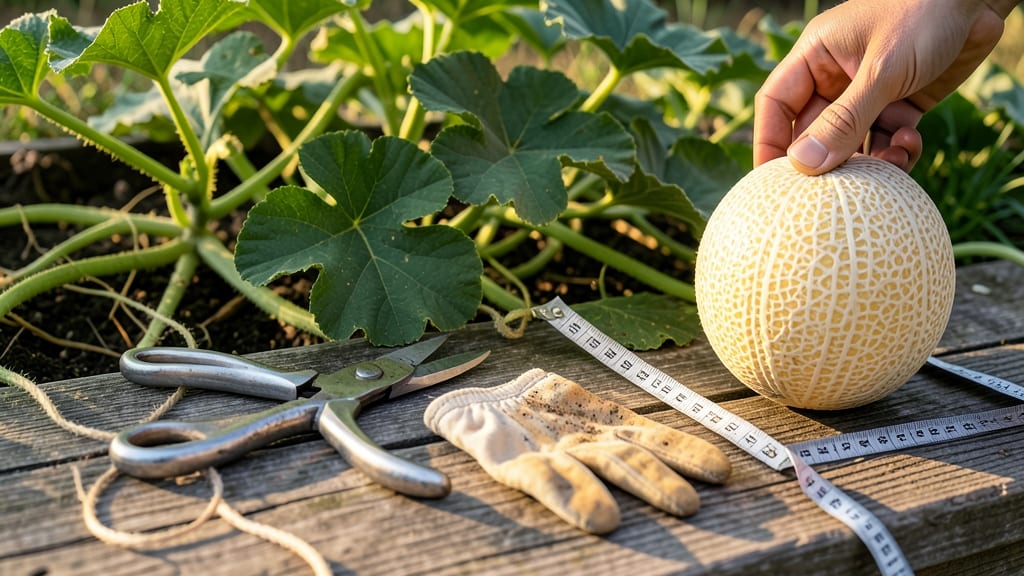
Knowing how to know if cantaloupe is ready to pick can turn a guess into a guaranteed harvest of sweet, juicy fruit. There's nothing worse than cutting into a cantaloupe only to find it's still hard or bland—let me help you avoid that disappointment.
With just 3 simple tests, you'll never second-guess when to harvest again. We're talking about changes in color, a gentle touch, and even a sniff test that tells you everything you need to know. These tricks work whether you're growing cantaloupes in your backyard or a community garden plot.
Timing is everything, especially since cantaloupes thrive in warm weather between April and May planting and July to August harvest. But don't rely on the calendar alone—your senses will give you the most accurate reading. Let's break down exactly what to look (and feel) for.
You'll learn how to spot the perfect moment before the fruit overripens or stays underripe. Plus, I'll share pro tips for avoiding common mistakes that even experienced gardeners make. Ready to become a cantaloupe-picking expert?


3 Visual and Tactile Signs Your Cantaloupe Is Perfectly Ripe
Cantaloupe ripeness isn't just about guessing—it's about observing three key indicators that reveal when your fruit is ready to harvest. These visual and tactile cues ensure you pick cantaloupe at its peak sweetness and flavor, avoiding the disappointment of underripe or overripe fruit.
First, pay attention to the rind color. When ripe, cantaloupe develops a creamy yellow or tan hue near the stem end, often with a net-like pattern that becomes more pronounced. This color shift signals the fruit's sugars have fully developed, transforming dull green into an inviting palette.
The stem end also holds critical clues. Look for a dry, brown stem that separates easily from the vine when gently twisted. This indicates the fruit has reached maturity and is ready for harvest. Don't confuse this with the blossom end, which should remain attached.
Texture is your third reliable indicator. Press your thumbnail near the blossom end—a ripe cantaloupe will yield slightly to pressure, like a ripe avocado. If the skin resists, the fruit needs more time on the vine. This gentle give confirms optimal ripeness without damaging the fruit.
Don't overlook the scent test, which is often the most reliable indicator. A ripe cantaloupe emits a sweet, musky aroma near the stem end—similar to a mix of honey and fresh-cut grass. If you can't smell anything sweet, the fruit likely needs more time on the vine.
Timing matters too—most cantaloupe varieties take 75 to 90 days to mature from planting. However, environmental factors like temperature and sunlight can accelerate or delay ripening. Hot, sunny days typically produce sweeter fruit faster, while cooler conditions may extend the process.
When checking for ripeness, focus on the blossom end of the fruit rather than the stem end. This area often shows the most dramatic color changes and texture shifts. The net pattern on the rind will also darken and become more defined as the fruit ripens.
If you're unsure, harvest a few fruits at different stages and taste-test them. This hands-on approach helps you recognize the perfect balance of firmness and sweetness in ripe cantaloupe. Over time, you'll develop an intuitive sense of when your cantaloupe is ready to pick.
Pro tip: Early morning is the best time to harvest cantaloupe. The cooler temperatures help preserve the fruit's freshness and sweetness after picking. Store ripe cantaloupe at room temperature until ready to eat—never refrigerate until fully ripe.
By mastering these three key indicators, you'll consistently pick cantaloupe at its peak ripeness, ensuring every harvest delivers that unbeatable sweetness and juiciness we all love. Happy harvesting! 🍈
How to test cantaloupe ripeness without cutting it open
Testing cantaloupe ripeness without cutting into it is a game-changer for gardeners who want to preserve their harvest. The good news? You don’t need a knife to tell if your cantaloupe is ready to pick.
Instead, rely on simple visual cues, tactile checks, and even your sense of smell to confirm ripeness. These non-destructive methods ensure you enjoy perfectly sweet fruit every time.
Start by examining the stem end of the cantaloupe. A ripe cantaloupe will show a dry, brown stem that separates easily from the vine when gently twisted. This is your first sign that the fruit has reached maturity.
The stem should not be green or still attached tightly—this indicates it’s not ready yet. Pay close attention to this detail, as it’s one of the most reliable indicators.
✅ DO: Twist the cantaloupe gently while holding the vine. If it separates easily, it’s ripe.
❌ DON'T: Pull the fruit forcefully from the vine, as this can damage the plant or cause bruising.
💡 PRO TIP: Check for a sweet, musky aroma near the stem end. A ripe cantaloupe will have a strong, pleasant scent.
Next, perform the thumb pressure test near the blossom end (the opposite side of the stem). Press your thumbnail into the rind. If it gives slightly but doesn’t dent deeply, the cantaloupe is ripe.
A firm, unyielding fruit is underripe, while a soft or mushy spot suggests overripeness. This test is quick and requires no tools—just your fingers and a little pressure.
Listen for another subtle clue: a ripe cantaloupe will make a hollow sound when tapped lightly with your knuckles. Tap near the blossom end and listen for a deep, resonant thud. If it sounds dull, the fruit isn’t ready yet.
This method works best when combined with the other tests, as sound alone isn’t always foolproof. However, it’s a handy trick to use alongside the visual and tactile checks.
Finally, inspect the rind color. A ripe cantaloupe will have a creamy yellow or tan hue, often with a network of darker green or brown stripes. Avoid fruits that are still mostly green or dull in color, as these are underripe.
The rind should also feel slightly rough to the touch, not smooth or waxy. These color changes indicate the fruit’s sugars have fully developed.
By combining these non-destructive tests, you’ll never second-guess whether your cantaloupe is ready to pick. These methods save you time, reduce waste, and ensure you harvest fruit at its peak flavor and texture. Happy gardening!