
How To
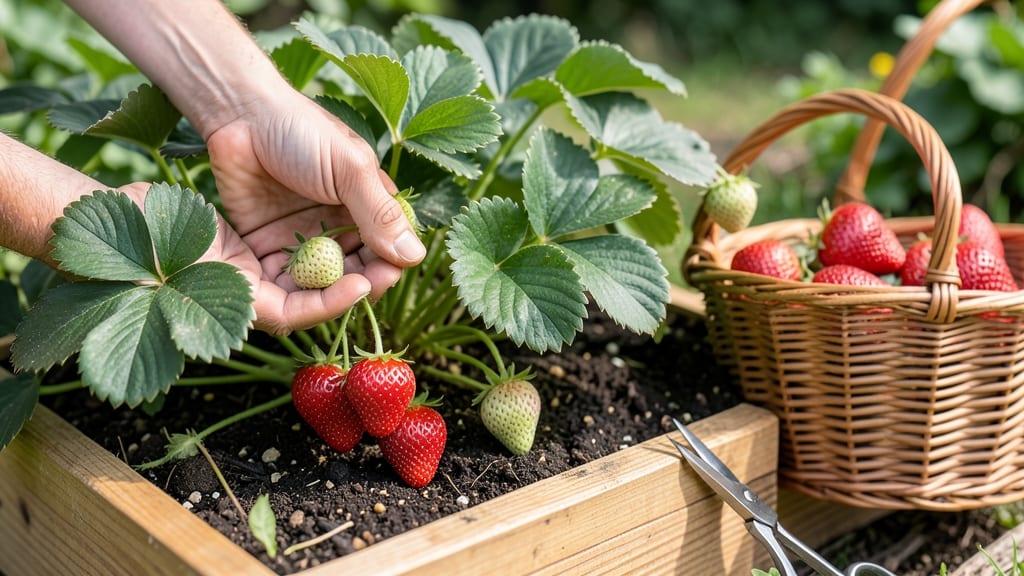
How to know when strawberries are ready to pick can turn your garden harvest from so-so to absolutely delicious. That perfect moment—when the flavor is at its peak and the texture is just right—is easier to spot than you might think, and missing it means ending up with fruit that’s either underripe or overripe.
If you’ve ever plucked a strawberry 🍓 only to find it bland or mealy, you’re not alone. The key lies in three simple visual and tactile cues that reveal ripeness before you even taste it. Once you master these, you’ll never second-guess your harvest timing again.
We’ll walk through exactly what to look for—color, firmness, and how the berry separates from the plant—plus the best times of day to pick for maximum flavor. By the end, you’ll be confidently filling your basket with perfectly ripe strawberries every time.
Ready to transform your strawberry-picking game? Let’s dive into the easy-to-spot signs that guarantee you’ll never miss the ideal moment again.

3 Key visual cues to identify perfectly ripe strawberries
Nothing beats the moment you pluck a strawberry at its peak ripeness—juicy, sweet, and bursting with flavor. But how do you know when that perfect moment arrives? Many gardeners make the mistake of picking too early or too late, missing the ideal harvest window.
The good news? With just three simple visual cues, you can spot ripe strawberries every time.
First, focus on the color. Most varieties turn a vibrant deep red when fully ripe, but some—like Albion or Seascape—stay white or pale yellow. Avoid strawberries with green patches, as they’re still developing. Even a single green spot means the fruit isn’t ready yet.
Next, examine the cap (the green top). A ripe strawberry’s cap will have dried out and turned brown or slightly shriveled. If the cap is still bright green and firm, the berry needs more time. This is one of the most reliable signs of ripeness, often overlooked by beginners.
Finally, check the size and shape. Ripe strawberries are plump and symmetrical, not elongated or misshapen. If the berry feels hard or rubbery when gently squeezed, it’s underripe. On the flip side, if it’s mushy or leaking juice, it’s overripe and past its prime.
-
1. Uniform Color
Fully red, yellow, or white (depending on variety), with no green at all. Even a tiny green spot means wait a day or two. -
2. Dry, Brown Cap
The green top turns brown and slightly shriveled. This signals the berry is at peak sweetness. -
3. Plump and Firm (But Not Hard)
Gently squeeze—ripe strawberries yield slightly to pressure but don’t feel mushy. Overripe ones bruise easily.
One common mistake is assuming size alone determines ripeness. Some strawberries grow large but stay tart and firm because they’re underripe. Others stay small but burst with flavor because they’re perfectly ripe. Always combine color, cap condition, and texture for the best results.
Pro tip: Morning is the best time to pick strawberries. The cool night temperatures help the sugars develop fully, so the fruit tastes sweeter. Plus, picking in the morning means you can enjoy them at their freshest later in the day.
Now that you know what to look for, you’ll never miss the perfect strawberry again. The next step? Learning how to test ripeness without tasting—because sometimes, you just want to know before popping one in your mouth!
How to test strawberry ripeness without tasting (plus common mistakes)
Testing strawberry ripeness without tasting is a skill that saves you from picking bland or overripe fruit. The key lies in touch, sight, and smell—three simple methods even beginners can master.
Start by gently squeezing the berry: a ripe strawberry should yield slightly to pressure, like a ripe peach, but won’t feel mushy. If it’s rock-hard, it’s not ready yet, while a squishy texture means it’s past its prime.
Next, check the color uniformity. A perfectly ripe strawberry will be fully colored (no green patches) and consistent in hue. Some varieties stay pale yellow or white, but they’ll still be uniform. Avoid berries with uneven coloring or white streaks—these are often underripe or damaged.
Finally, give the berry a light sniff: ripe strawberries emit a sweet, fragrant aroma, while unripe ones smell bland or slightly green.
⚠️ Common Mistake: Picking by Size Alone
Don’t assume bigger strawberries are riper—they might just be overcrowded! A small, fully colored berry is often sweeter than a large, pale one. Also, avoid picking strawberries that still have their green cap attached; this means they’re not ready to harvest.
Another pro tip: Check the stem attachment. A ripe strawberry should detach easily with a gentle twist, leaving a tiny indentation on the plant. If you have to pull hard or the berry snaps off with the stem, it’s not ready.
This method works even for white or yellow varieties, where color isn’t as reliable a cue.
For everbearing or day-neutral varieties, timing matters even more. These plants produce fruit in multiple flushes, so check berries every 2-3 days during peak season. If you miss a batch, they’ll turn soft and seedy—a clear sign of overripeness.
Pro tip: Harvest in the morning after dew dries for the best flavor and texture.
If you’re unsure, try the float test: Drop the strawberry in a bowl of water. A ripe one will float slightly (it’s buoyant but not fully submerged), while an unripe berry will sink.
Overripe berries may float too high or feel waterlogged. This trick works best for red varieties but can be less reliable for paler types.
Remember, patience pays off. Strawberries won’t ripen further after picking, so when in doubt, leave it on the plant. The goal is to harvest at peak sweetness, not convenience. With practice, you’ll train your hands to spot the perfect strawberry before your eyes even see it!