
How To
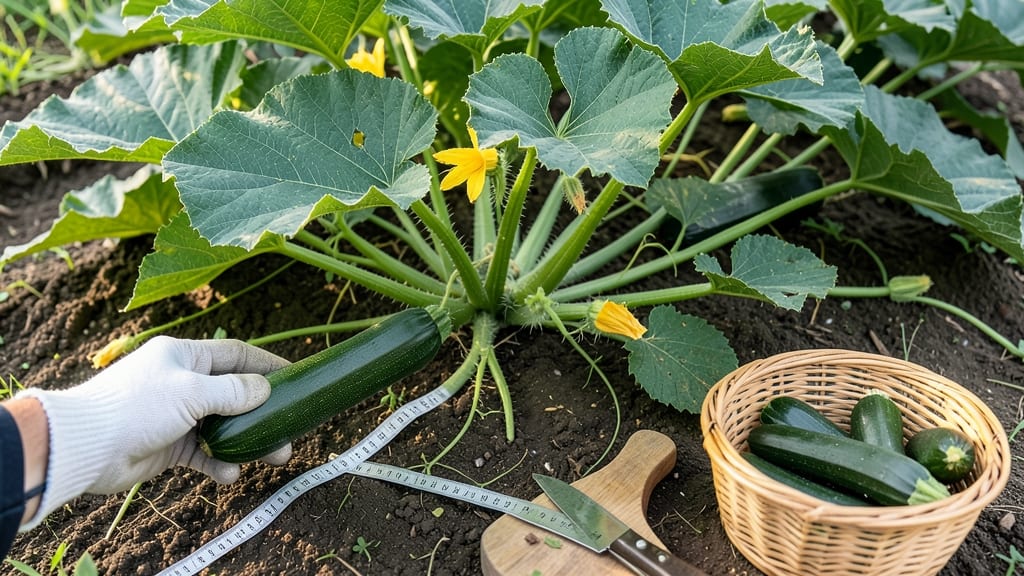
Knowing how to know if zucchini is ripe can make the difference between a sweet, tender harvest and a tough, seedy disappointment. The right moment isn't just about size—it's about color, texture, and even the plant's signals.
Skip this window, and you'll end up with zucchini that's either too small and bland or overgrown and bitter.
I've learned the hard way that waiting too long turns your garden goldmine into a kitchen headache. But here's the good news: with just three simple tests—visual cues, touch, and size—you'll never second-guess your harvest again.
These methods work whether you're a seasoned gardener or just starting your first zucchini patch in USDA Zone 6a.
What you'll discover is how to spot the perfect zucchini before it gets away from you, plus what to do with your harvest once you've got it.
From grilling to preserving, we'll cover how to make the most of your ripe finds and avoid the common mistakes that waste all that hard work.
Let's dive into the foolproof way to know when your zucchini is ready—so you can enjoy that fresh-from-the-garden flavor all summer long, from June through September. Your taste buds (and your dinner plate) will thank you!
3 Visual and touch tests to determine zucchini ripeness
Zucchini ripeness is all about timing—pick too early, and you’ll sacrifice flavor; wait too long, and they’ll turn tough and seedy. The good news? With just three simple tests, you can nail the perfect harvest window every time.
These methods combine visual cues, touch feedback, and size benchmarks to ensure your zucchini is at peak freshness.
First, focus on the skin color. Ripe zucchini boasts a deep, vibrant green hue with no yellowing. If you spot yellow patches near the stem end, it’s a sign the zucchini is overripe and past its prime.
For dark green varieties, consistency in color is key—no streaks or pale spots.
Next, check the size. Aim for zucchini between 6 to 8 inches long. Anything smaller than 4 inches is underripe and lacks sweetness, while anything longer than 10 inches becomes fibrous and bitter. Pro tip: Harvesting at this size keeps plants productive and encourages more fruit to form.
Here’s where the touch test comes in. Gently press your thumbnail into the zucchini’s skin. If it resists slightly (like a ripe avocado), it’s ready to harvest.
If the skin dents easily, it’s overripe. For underripe zucchini, the skin feels firm and unyielding. This tactile check is my go-to method—it’s foolproof!
Don’t overlook the stem end. A ripe zucchini’s stem end will show slight yellowing or browning, while the rest remains green. If the stem end stays bright green and firm, the zucchini needs more time. This is a subtle but critical clue that many gardeners miss.
For bush varieties, like 'Black Beauty,' the tests are the same, but pay extra attention to fruit load. Overcrowded plants produce smaller, underripe zucchini. Prune excess flowers or thin fruit early to give remaining zucchini room to reach ideal size.
Seasoned gardeners swear by the stem snap test. Gently bend the stem near the fruit—if it snaps cleanly, it’s ready. A tough, fibrous break means it’s underripe, while a mushy give signals overripeness. This test is especially useful for vining varieties like 'Straight Eight,' which can grow rapidly.
Morning is the best time to harvest. Zucchini loses moisture quickly in the heat, so picking in the cool morning hours preserves texture and flavor. Store harvested zucchini in a paper bag in the fridge for up to a week, or use immediately for the best results.
One common mistake? Waiting for zucchini to reach monster proportions. I’ve seen zucchini grow to 3 feet long in a single season—while impressive, they’re inedible! Stick to the 6-8 inch rule for tender, sweet zucchini every time.
Pro tip: Use a sharp knife or pruners to harvest, leaving a 1-inch stem attached. This prevents damage to the plant and encourages faster regrowth. Always harvest with clean tools to avoid spreading disease.