
How To
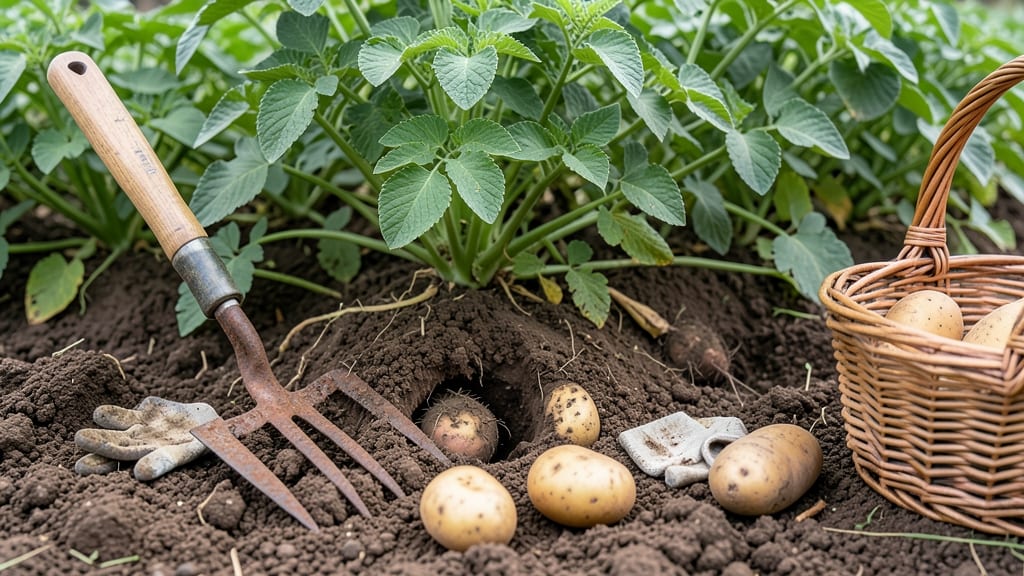
How to know when potatoes are ready to dig can make all the difference between a thriving harvest and a disappointing one. The 🥔 plants you’ve nurtured all season might look ready, but without the right cues, you could miss the perfect window—especially in Zone 6a, where timing matters most.
Most gardeners rely on the classic "foliage flop" test, where yellowing leaves signal it’s time to harvest. But there’s more to it than just waiting for the plants to die back—soil conditions, tuber size, and even the time of year play critical roles.
Let’s break down the three foolproof signs that tell you it’s finally time to dig.
Whether you’re harvesting new potatoes for a quick meal or mature tubers for storage, understanding these visual and tactile clues will save you from digging too early or too late.
I’ll walk you through how to check your potatoes like a pro, so you never miss the ideal harvest window again.
From the moment your March-April plantings sprout to the July-August harvest, these tips will help you time it perfectly—no guesswork required. Ready to master the art of potato harvesting?

The foliage flop test: when potato plants die back naturally
Potatoes send a clear signal when they’re ready to harvest—watch for the classic "foliage flop" where leaves yellow, wilt, and eventually die back. This natural process, called senescence, means the plant is redirecting energy to the tubers below.
For early varieties, this happens 60-70 days after planting, while late varieties may take 100-120 days. Ignoring this sign often leads to overripe tubers that split or sprout in storage.
Start monitoring 2-3 weeks before expected harvest time by checking leaves daily. Look for yellowing edges first, followed by wilting stems. In cooler climates (USDA Zones 3-5), this flop may occur earlier due to shorter growing seasons. Conversely, warmer zones (6-10) often see delayed flopping, so adjust your timeline accordingly.
Pro tip: Don’t confuse disease with readiness—if leaves yellow from blight (brown spots, mold), harvest immediately to salvage tubers. Healthy flopping shows uniform yellowing without blackened stems. Early-maturing varieties like ‘Yukon Gold’ may flop in late June, while late varieties like ‘Russet’ might wait until mid-August.
🌱
- Step 1: Observe leaf color—healthy green turns yellow-green first.
- Step 2: Check for wilting stems—leaves may droop but not fall off immediately.
- Step 3: Confirm no disease—flopping should be even across plants, not patchy.
- Step 4: Wait 3-5 days after full flop—tubers need time to harden their skins.
- Step 5: Dig a test tuber—if skin resists fingernail pressure, it’s ready!
Timing is everything—harvest too soon, and tubers stay small; wait too long, and they’ll split or develop green skin (toxic solanine). For second crops (planting after early harvest), watch for flopping 4-6 weeks post-planting—these potatoes mature faster due to residual warmth in the soil.
Regional differences matter: In Zone 4, aim to harvest by early August to avoid frost damage, while Zone 8 gardeners can extend harvests into September. Always dig on a dry, sunny day to speed curing and reduce disease risk.
🌡️
For container-grown potatoes, the flop test still applies, but tubers may mature 1-2 weeks earlier due to limited soil volume. Gently lift pots to check tuber size—if they’re 2-3 inches wide, they’re ready. Pro tip: Use black pots to absorb heat and accelerate maturity in cooler climates.
Remember: The foliage flop isn’t just a sign—it’s a countdown to harvest. Once you spot it, mark your calendar and dig within 5-7 days for the sweet spot between perfect size and overripeness.
🥔
The foliage flop test: when potato plants die back naturally
Potatoes send you a clear signal when they’re ready to harvest: the foliage flop. This classic sign happens when your potato plants yellow and wilt naturally, often collapsing to the ground. It’s nature’s way of telling you the tubers below are fully developed and ready for digging.
For early varieties, this flop can occur as early as 70-80 days after planting, while late varieties may take up to 120 days. The key is watching for consistent yellowing across the entire plant, not just a few leaves.
Here’s what to look for:
Pro tip: If your plants are still green but flowers have faded, wait another 7-10 days—this is common for late-maturing varieties like Russets. Never harvest based solely on days after planting; foliage flop is your best indicator.
For second crops (planting after early harvests), watch for the same flop signal, but expect it 2-3 weeks earlier than your main crop. This is because second plants have a shorter growing window.
Once you spot the flop, dig within 3-5 days to prevent tuber splitting or disease. The longer you wait, the higher the risk of rot or green skin (which makes potatoes toxic).
🌱