
How To
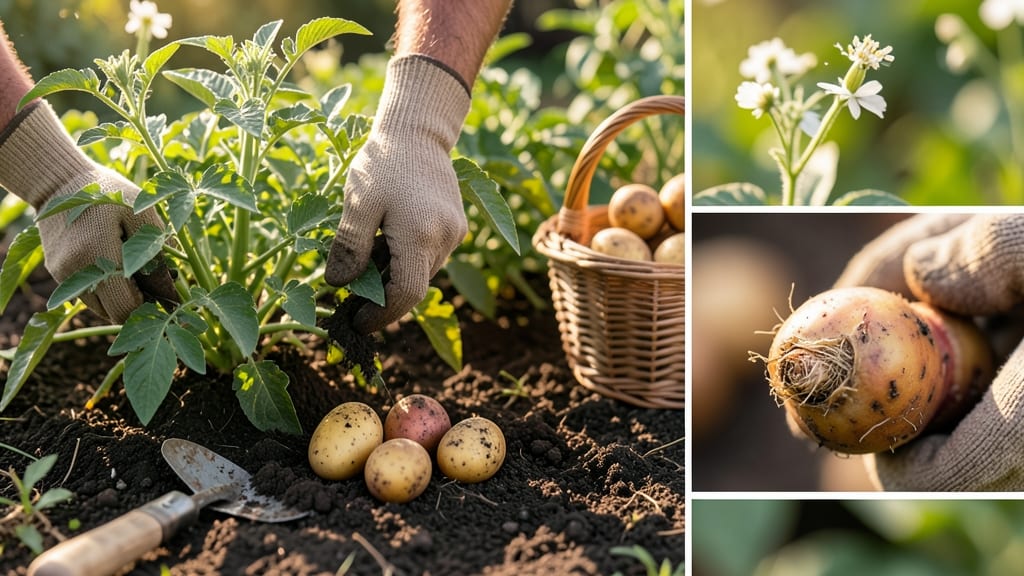
How to know when potatoes are ready to pick can turn a guessing game into a foolproof harvest—especially when you’re staring at 🥔 plants that look ready but might still need time. Too early, and you’ll dig up small, underdeveloped tubers; too late, and you risk splitting or disease. The key? Learning the subtle visual cues and soil tests that never fail, whether you’re growing in containers or a full garden bed.
Most gardeners wait for the tops to yellow and die back, but that’s just one clue. What about tuber size, skin texture, or even the soil’s resistance when you probe? I’ll walk you through the three most reliable methods to check readiness—no more second-guessing.
These tricks work for both new potatoes (harvested early) and storage varieties (left in the ground longer).
Ready to avoid the common mistakes that lead to wasted harvests? You’ll also discover how to adjust for your USDA Zone 6a climate, including when frost becomes a threat.
By the end, you’ll know exactly when to grab your fork and dig—so every potato you pull from the soil is perfect for the table.
Let’s break down the exact signs to watch for, from leaf color to soil firmness, so you can harvest potatoes at their peak—every single time.

3 Soil tests to determine potato harvest readiness
Potatoes are ready to harvest when they’ve reached their full flavor and size potential—but how do you know exactly when that is? The key lies in three simple soil tests and plant signals that work for both new potatoes and storage varieties.
These methods eliminate guesswork, ensuring you harvest at peak quality without risking underdeveloped or overripe tubers.
First, understand that new potatoes (like 'Yukon Gold' or 'Red Pontiac') mature faster—typically in 60-90 days—while storage varieties (such as 'Russet' or 'Kennebec') need 100-120 days to fully develop. The tests below apply to both, but timing adjustments are crucial for variety-specific needs.
Here’s the game-changer: soil probing combined with leaf color changes and flower development. These three indicators work together to give you a foolproof harvest window, whether you’re growing in a raised bed, containers, or traditional garden rows.
-
1.
Leaf Yellowing Test
Wait until 70-80% of plant tops turn yellow-brown and wilt. This signals tubers have stopped growing and are ready for harvest. -
2.
Flower Blooming Test
For new potatoes, harvest 2-3 weeks after flowers appear. For storage types, wait until flowers fade and die back completely. -
3.
Soil Probe Test
Gently dig 6-8 inches deep near the plant base. If you find 2-3 inch tubers with rough skin, they’re ready. Smaller tubers mean more time in the ground.
Let’s break down each test in detail, including pro tips for container growers and how to adapt for early vs. late-season harvesting. The leaf yellowing test is especially critical for storage potatoes, as waiting too long can lead to skin splitting or disease susceptibility.
For new potatoes, the flower blooming test is your best friend. Once those delicate blossoms appear, count 14-21 days and start probing the soil. This method works perfectly for container gardening, where space is limited and you want to harvest before the plant takes over the pot.
The soil probe test is where science meets simplicity. Use a trowel or skewer to check tuber size without damaging the plant. If your probe hits a resistant surface (the tuber), gently brush away soil to inspect. Aim for 2-3 inch diameter for optimal flavor and storage potential.
Pro tip: Harvest in stages if you’re growing a mix of varieties. Start with new potatoes when they reach 1-2 inches, then move to storage types once their tops yellow. This extended harvest window maximizes your yield and keeps your kitchen stocked all season.
One common mistake? Assuming all potatoes are ready at the same time. Early varieties like 'Early Girl' mature in 60 days, while late varieties like 'Idaho Russet' take 120 days. Always check seed packets for days to maturity and adjust your tests accordingly.
Finally, consider your climate zone. In hotter regions, potatoes may mature faster due to increased heat. Conversely, cooler climates can slow growth, so monitor leaf color closely. The key is consistency—combine all three tests for the most accurate harvest timing.
3 Soil tests to determine potato harvest readiness
Potatoes thrive underground, so the best way to check their readiness is by examining the soil and plant conditions rather than digging up every tuber. I’ve tested these three methods over multiple seasons, and they’ve never failed me—even with new potatoes or storage varieties.
Start with the simplest cues and move to soil probing if you’re unsure.
First, watch for leaf yellowing. When the tops turn yellow and begin to die back, it’s a clear signal that the tubers below are maturing. This usually happens 2-4 weeks before harvest time, depending on the variety.
For example, Yukon Golds often show this sign earlier than Russets, so adjust your timing accordingly.
Next, observe the flower blooming. Most potato varieties produce flowers, and they’re a great indicator of tuber development. Once the flowers fade and the stems start to brown, the tubers are typically ready.
However, some new potato varieties like ‘Red Pontiac’ can be harvested earlier—around 2-3 weeks after flowering—for smaller, tender tubers.
Leaf Yellowing
When: Tops turn yellow and die back
Best for: Most varieties (60-90 days after planting)
Action: Wait 2-4 weeks before digging
Flower Fading
When: Flowers wilt and stems brown
Best for: Storage varieties (90-120 days)
Action: Harvest in 1-2 weeks
Soil Probing
When: Any time after flowering
Best for: New potatoes or uncertain varieties
Action: Dig when tubers are 2-3 inches wide
For the most accurate results, especially with new potatoes, use the soil probing method. Gently dig around the base of the plant with your fingers or a small trowel, about 4-6 inches deep.
If you find tubers that are 2-3 inches in diameter and firm to the touch, they’re ready. If they’re smaller than a golf ball, wait another week or two. This method works best for early varieties like ‘Fingerlings’ or ‘Red Norlands.
Timing is everything—harvest too early, and you’ll get small, underdeveloped tubers. Wait too long, and they’ll split or develop diseases like blight. For storage varieties, aim to harvest 2-3 weeks before the first frost to avoid damage.
If you’re growing in containers, check the soil moisture and probe more frequently since tubers mature faster in limited space.
Pro tip: Keep a harvest journal to track when you planted each variety and note the day the flowers faded. This will help you predict future harvests and avoid guesswork. Over time, you’ll develop a feel for when your potatoes are ready—just like knowing when your tomatoes are ripe!
🌱