
How To
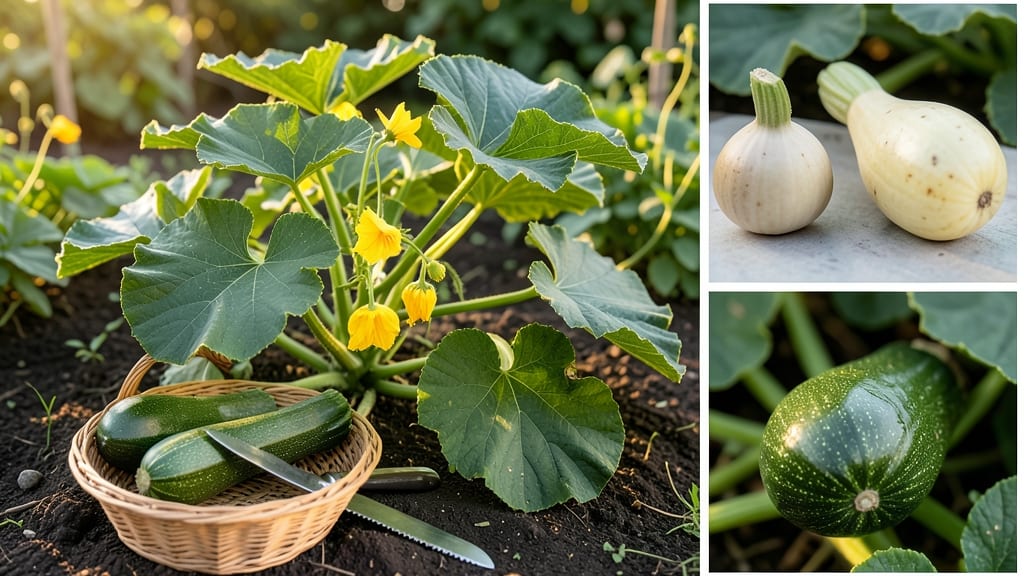
How to know when summer squash is ripe can make the difference between a meal that's bland and one that's bursting with flavor. The secret isn't just waiting for a certain size—it's about mastering the subtle clues your plants give you.
Most gardeners assume summer squash is ready when it reaches a certain length, but that's only part of the story. The true test lies in its skin texture, how it feels to the touch, and even the color's intensity.
These simple checks will help you harvest at the perfect moment, ensuring your squash stays tender and delicious.
Whether you're growing zucchini, yellow squash, or pattypan varieties, the same principles apply. I'll walk you through the three tactile tests that will transform your harvest—no more overripe, seedy squash or underdeveloped veggies. Let's get started.
Harvesting at the right stage isn't just about flavor—it's about avoiding waste and keeping your plants productive. With these tips, you'll know exactly when to pick, so you can enjoy fresh, homegrown summer squash all season long.
3 Tactile tests to determine summer squash ripeness
Summer squash is ready to harvest when it’s tender, flavorful, and firm—not mushy or woody. The key lies in using your senses to check for ripeness before cutting.
Unlike winter squash, summer varieties like zucchini and yellow squash should be picked young, so timing matters. Here’s how to test them like a pro.
First, focus on size. Most summer squash varieties are ripe when they reach 4 to 6 inches in length. For example, zucchini typically hits the sweet spot at 6 inches, while pattypan squash may be ready slightly smaller.
Measuring with a ruler ensures consistency, especially if you’re growing multiple plants.
🎃 NUMBERED HIGHLIGHTS 🎃
- 📏 Size Check: Measure length (4–6 inches) and width (2–3 inches). Overgrowth = bitter flesh.
- 👆 Skin Test: Press gently with a fingernail. If it dents slightly but doesn’t bruise, it’s ripe. Thick skin = overripe.
- 🌱 Stem Test: Twist gently at the stem. If it snaps cleanly (not pulls away), it’s ready. A woody stem = past prime.
The skin texture is your next clue. Run your fingers over the squash’s surface—ripe skin should feel smooth and slightly tender. If it’s tough or waxy, it needs more time.
Pro tip: Yellow squash will develop a vibrant hue (golden or cream), while zucchini stays green but softens noticeably. Avoid squash with dull or spotted skin, as this signals overripening.
Check the stem end for freshness. A ripe squash has a green, firm stem that’s still attached but easily separable. If the stem is woody or dried out, the squash has been on the vine too long.
Twist gently—if the stem snaps (rather than tears), it’s harvest-ready. This test prevents bitter, fibrous flesh that ruins dishes.
For seed development, slice one open if unsure. Ripe summer squash has small, pea-sized seeds embedded in tender flesh. Large, hard seeds mean the squash is past its prime.
This test is especially useful for pattypan squash, which often ripens unevenly. Harvest before seeds bulk up to keep the texture delicate.
Environmental factors like heat and humidity can speed up ripening. In hot climates, summer squash may mature faster—check daily. Conversely, cool weather slows growth, so monitor size closely. Harvest in the morning when temperatures are lowest to preserve freshness. Use a sharp knife or pruners to avoid damaging the plant.
Overharvesting isn’t a concern with summer squash—these plants produce prolifically! Aim to pick every 2–3 days during peak season (June–August) to encourage more fruit. Store harvested squash in the fridge for up to 5 days or use immediately for the best flavor. Frozen squash loses texture, so enjoy it fresh!
Remember: Consistency is key. If your squash ripens unevenly, note the conditions—perhaps uneven watering or shading. Adjust care to ensure uniform ripeness next season. With these tactile tests, you’ll never guess again—just harvest with confidence!
3 Tactile tests to determine summer squash ripeness
Summer squash ripeness isn’t just about size—it’s about texture, color, and even sound. I’ve learned that the best squash has a firm yet tender feel, vibrant color, and a slight give when touched.
These three hands-on tests will help you pick summer squash at its peak, whether you’re harvesting zucchini, yellow squash, or pattypan varieties.
First, check the skin’s tenderness. Press your fingernail into the squash’s skin—if it leaves a slight dent without breaking through, it’s ready. Overripe squash will feel soft and spongy, while underripe ones resist pressure like a rock.
This test works best on the side of the squash, not the stem end.
Fingernail Test
Press your fingernail into the skin—it should dent slightly without breaking through. Overripe squash feels mushy; underripe feels rock-hard.
Stem End Check
The stem end should be green and firm, not woody or dried out. A woody stem means the squash has passed its prime.
Size and Shape
Most summer squash should be 4-6 inches long. Zucchini can grow larger but loses tenderness. Pattypan squash stays small and round—harvest when fully colored.
Next, examine the stem end. A ripe squash has a green, firm stem that hasn’t turned woody. If the stem feels dry or shriveled, the squash has overstayed its welcome.
This is especially critical for yellow squash varieties, which can develop bitter flavors if left too long on the vine.
Finally, listen for a hollow sound when you tap the squash gently with your knuckles. A ripe squash will sound slightly hollow, while an underripe one thuds like a drum. This trick works best on zucchini and yellow squash—though it’s less reliable for smaller pattypan varieties.
Pro tip: Harvest in the morning when squash is cool and crisp. Avoid harvesting after heavy rain, as excess moisture can dilute flavor and make the skin slippery. With these tests, you’ll never miss the sweet spot of summer squash ripeness again! 🎃