
How To
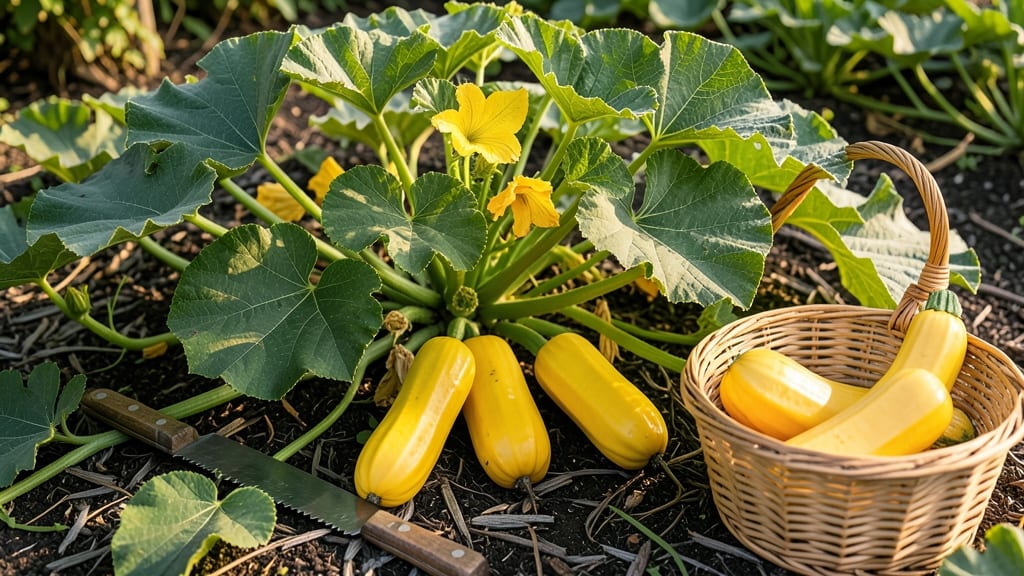
How to know when to pick yellow squash can mean the difference between a tender, flavorful harvest and a tough, seedy disappointment. The perfect window is narrow—just 45 to 50 days after planting—and missing it means your garden’s hard work goes to waste.
Most gardeners in USDA Zone 6a face the same challenge: how to spot ripe squash before it overmatures. I’ve seen firsthand how a squash can go from ideal to inedible in just a few days, especially during the peak harvest months of July and September.
The key? Learning the 3 visual cues that signal it’s time to pick.
You’ll discover how to check for the right size, color, and texture—without cutting into the squash—so you can harvest at its peak. No more guesswork, no more wasted produce. Let’s break down the exact signs to look for, so you can enjoy that fresh, summery taste every time.
Whether you’re a beginner or a seasoned gardener, these tips will help you time your harvest perfectly. Once you master them, you’ll never struggle with overripe squash again—and that means more delicious meals straight from your garden.


3 Visual cues to harvest yellow squash at perfect ripeness
Yellow squash thrives on timing—pick too early, and you’ll get bland, underdeveloped fruit. Harvest too late, and the flesh turns tough and seedy, ruining your meal. The key lies in three visual cues that farmers rely on daily to guarantee peak ripeness.
These simple checks take seconds but make all the difference between garden-fresh flavor and disappointment.
First, focus on size. Most yellow squash varieties—like 'Straightneck' or 'Yellow Crookneck'—reach perfect ripeness at 6 to 8 inches long. Smaller than 6 inches, and the squash is still developing; beyond 8 inches, the skin thickens, and seeds harden.
Use a tape measure or compare to a standard ruler for consistency.
Next, examine the skin color. Fully ripe yellow squash should have a deep, even hue—no green streaks at the stem end. For varieties like 'Golden Zucchini', this means a rich, golden-yellow color.
If the skin still has patches of green, wait a day or two. Overripe squash may turn dull or develop soft spots, signaling it’s past its prime.
- Size: 6–8 inches long (use a ruler for accuracy)
- Color: Deep, even yellow (no green stem end)
- Texture: Skin yields slightly to thumb pressure (not rock-hard or mushy)
The third cue is texture, which reveals the squash’s tenderness. Gently press your thumbnail into the skin near the stem. If it leaves a slight indentation but doesn’t puncture, the squash is ripe.
A rock-hard surface means it’s underripe; a mushy feel signals overripeness. This thumb test is the fastest way to confirm readiness without cutting into the fruit.
Watch for the stem end too. A ripe yellow squash will have a yellow or brown stem end, not green. Green stems indicate the squash isn’t fully matured yet. If you’re growing 'Yellow Crookneck' varieties, the neck should also start to curve slightly—a classic sign of ripeness.
Ignore this cue, and you risk harvesting squash that’s still too firm or seedy.
Seasonal timing matters too. In most USDA Zone 6a regions, yellow squash hits peak ripeness between mid-July and early September. Early-morning harvests (before 10 AM) preserve flavor and texture, as squash absorbs less heat.
Store freshly picked squash in a cool, dark place (like a pantry) for up to a week, or refrigerate for longer storage.
Overripe squash isn’t just tough—it develops a bitter taste and large, mature seeds. To avoid this, harvest every 2–3 days during peak production. Use a sharp knife or pruners to cut the squash from the vine, leaving a small stem attached.
This prevents damage to the plant and encourages more fruit to develop.
For container gardeners, yellow squash varieties like 'Bush Baby' are ideal because they mature faster and fit smaller spaces. Even in pots, the same visual cues apply: size, color, and texture. Just ensure your container has at least 12 inches of depth and well-draining soil to support healthy growth.
If you’re unsure whether your squash is ready, use the "tap test"—tap the squash gently with your knuckle. A ripe squash produces a hollow, slightly dull sound, while an underripe one sounds sharp and crisp.
This trick works best on medium-sized squash (6–7 inches) and saves you from guessing.
Remember, the sooner you harvest, the better the flavor. Yellow squash is at its sweetest and most tender when picked at the right moment. Master these three cues, and you’ll enjoy homegrown squash that rivals anything from the grocery store—without the tough, seedy surprises.
3 Visual cues to harvest yellow squash at perfect ripeness
Yellow squash thrives on timing—harvest too early, and you’ll get bland, underdeveloped fruit. Wait too long, and you’re left with tough, seedy squash that’s nearly inedible. The key lies in three visual cues that professional growers swear by: size, color, and skin texture.
Mastering these will transform your harvest from hit-or-miss to consistently delicious.
First, focus on size as your baseline. Ideal yellow squash should measure between 6 to 8 inches long. This range ensures the squash has developed full flavor without becoming woody.
Smaller squash (under 6 inches) often tastes underripe and watery, while larger ones (over 8 inches) signal overmaturity. Use a tape measure or compare to a standard ruler for accuracy.
Size: 6-8 Inches Long
Use a ruler or compare to a standard squash. Under 6 inches = underripe; over 8 inches = tough and seedy.
Color: Deep, Uniform Hue
Look for a consistent yellow (or green/white for varieties). Dull or patchy colors mean overripeness.
Texture: Firm but Tender Skin
Press with your thumbnail—ripe squash yields slightly but doesn’t dent. Overripe squash feels hard and woody.
Next, examine the color of the squash. For yellow varieties, the skin should be a deep, vibrant yellow with no green or white patches. Dull or uneven coloring often signals overripeness.
Pro tip: Check the stem end—it should turn fully yellow (or match the squash’s color) when ripe. A green stem end means the squash isn’t ready yet.
Finally, the skin texture is your final checkpoint. Gently press the squash with your thumbnail—ripe squash should feel firm but slightly tender, almost like a ripe avocado. If it dents easily, it’s underripe.
If it feels hard and unyielding, it’s past its prime. This thumb test is the quickest way to avoid wasting perfectly good squash.
Harvesting at this stage ensures your yellow squash is tender, flavorful, and seed-free. Miss the window, and you’ll spend more time peeling and dealing with tough flesh.
For best results, pick in the morning after dew has dried—this gives you a full day to enjoy your harvest before storage.