
How To
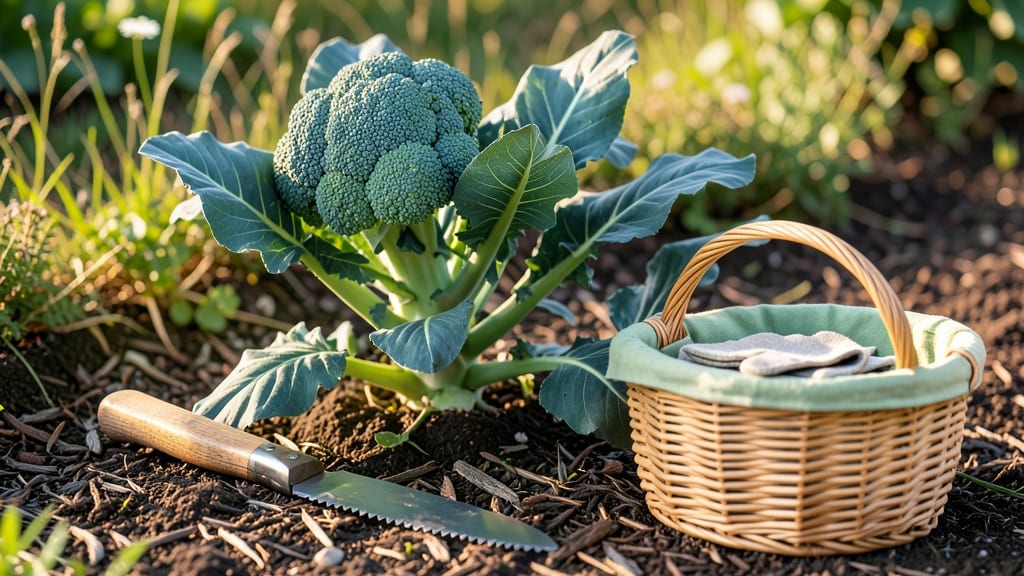
Knowing how to know when to pick broccoli can mean the difference between a crisp, flavorful harvest and a bitter, woody disappointment. That perfect moment—when your 🥦 is at its peak—is easier to spot than you think, and missing it means wasting weeks of garden work.
I’ve spent years growing broccoli, and the key lies in three simple visual cues: the color of the florets, the firmness of the stem, and the size of the head. Skip one of these, and you might end up with broccoli that’s either too tough or already starting to bolt.
Let me show you exactly what to look for so you never miss the ideal harvest window again.
Timing matters more than you’d expect—even a day too late can turn your broccoli from a garden star to a dinner table flop. But once you master these tricks, you’ll not only know when to pick but also how to coax your plants into producing second harvests for weeks longer.
Ready to turn your broccoli from guesswork to garden glory?
Whether you’re a seasoned gardener or just starting, these insights will help you harvest broccoli that’s perfectly tender, packed with flavor, and ready to impress. Let’s dive into the secrets that’ll make your next 🥦 harvest foolproof.

3 Visual cues to identify perfectly ripe broccoli heads
Picking broccoli at the right moment ensures sweet, tender florets with the perfect balance of nutrients. The key lies in observing three critical visual cues: size, color, and texture. Ignoring these signals can lead to bitter, woody stems or overly mature heads that bolt too quickly.
First, focus on the head's diameter. Ideal broccoli should measure between 4 to 8 inches across. Heads smaller than 4 inches are often underdeveloped, while larger ones may already be past their prime, with tougher stems and looser florets.
Think of it like waiting for a perfectly ripe fruit—timing is everything.
Here’s where the summary table comes in to break down the exact cues you need to watch for:
The stem tip is a hidden maturity signal many gardeners overlook. When the bottom of the stem turns yellowish-brown, it’s a clear sign the head is ready. This change indicates the plant is redirecting energy to the side shoots, which will produce additional harvests.
Pay attention to the floret tightness as well. Perfectly ripe broccoli has tight, closed buds that haven’t started to open into yellow flowers. Once the florets begin to spread, the flavor becomes bitter and tough, and the nutritional value drops significantly.
Think of it like waiting for green beans to reach their peak—patience pays off.
Another pro tip: Gently squeeze the head to test firmness. If it feels slightly springy but doesn’t give way easily, it’s ready. A head that’s too soft may be overripe, while one that’s rock-hard is likely underdeveloped.
This tactile check ensures you’re harvesting at the sweet spot for both texture and flavor.
Don’t forget to inspect the side shoots forming around the main head. These smaller stems will produce secondary harvests if the main head is cut properly.
If side shoots are already 3–4 inches long and developing buds, your plant is ready for its first harvest, and you’ll have more chances to pick later in the season.
Timing your harvest correctly also depends on the broccoli variety you’re growing. For example, Calabrese types mature slightly later than De Cicco (a smaller, faster-maturing variety). Always check the seed packet for specific days to maturity, but use the visual cues as your final guide.
Finally, avoid harvesting in extreme heat or late in the day. Broccoli is most flavorful when picked in the morning after dew has dried. This timing preserves the crispness and sweetness of the florets, making your homegrown harvest taste like it came straight from a farmers' market.
3 Visual cues to identify perfectly ripe broccoli heads
Picking broccoli at the right moment ensures peak flavor and tender texture. The key is watching for these three visual cues that signal your broccoli is ready for harvest. Ignoring these signs can lead to bitter-tasting or woody stems, so pay close attention to the details below.
First, focus on the color of the florets. Mature broccoli heads should be a deep, vibrant green. If you notice yellowing florets or tiny yellow flowers starting to bloom, your broccoli has passed its prime and will taste bitter.
This is your first warning sign that it's time to harvest.
Next, check the size of the head. The ideal broccoli head measures between 4 to 8 inches in diameter. If it's smaller than 4 inches, it’s not fully matured yet.
Larger heads may have tougher stems and less flavor, so timing is everything for that perfect balance of tenderness and taste.
| Cue | What to Look For | Action |
|---|---|---|
| Color | Deep, vibrant green florets | Harvest immediately if florets start yellowing |
| Size | 4-8 inches in diameter | Wait if head is smaller than 4 inches |
| Texture | Firm but yielding when pressed | Harvest before florets open or become woody |
Don’t forget to examine the stem end of the broccoli head. When it turns yellowish-brown, it’s a clear sign that the head is ready to pick. This color change indicates that the nutrients have fully developed, making the broccoli sweeter and more flavorful.
If the stem end remains green, your broccoli isn’t ready yet.
Finally, give the head a gentle squeeze or bend test. A perfectly ripe broccoli head should be firm but slightly yielding when pressed. If it feels too hard or woody, it’s overripe.
On the other hand, if it feels too soft or mushy, it hasn’t reached maturity yet. This simple test helps you avoid picking broccoli that’s past its prime.
By mastering these three visual cues, you’ll never miss the perfect moment to harvest your broccoli again. Paying attention to color, size, and texture will ensure you enjoy the best-tasting, most tender broccoli straight from your garden.