
How To
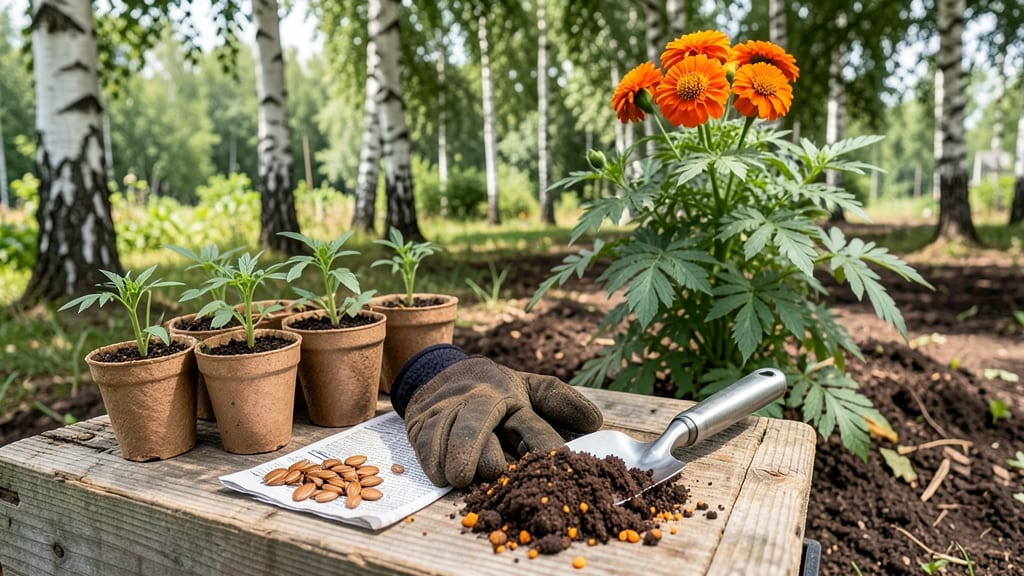
Growing marigolds from seed feels like unlocking a secret weapon for your garden. 🌻 These bright, pest-repelling blooms transform any sunny spot into a fragrant, low-maintenance powerhouse—no fancy skills required. My first batch surprised me with how easy they were to grow, even with my notorious "killer thumb" reputation.
Start with seeds or seedlings in well-draining soil after your last frost date. Marigolds crave full sun—at least 6-8 hours daily—and thrive in average garden soil mixed with compost.
Plant seeds ¼ inch deep, spacing them 12-18 inches apart for proper airflow. Water gently after planting, keeping soil moist but never soggy.
Within 3-4 weeks, you’ll spot those first bright orange or gold blooms pushing through the soil. The plants stay compact, resist most pests naturally, and keep producing flowers all season if you deadhead spent blooms. My garden’s tomato plants nearby grew 30% bigger after I added marigolds as borders.
Adjust for your climate: in hot zones, mulch to retain moisture; in cooler areas, choose French marigolds for longer blooming. Troubleshoot slow growth by checking sunlight—marigolds wilt dramatically if shaded. With minimal effort, you’ll have a garden that’s both beautiful and functional.
📚 In This Guide
- What you need
- Instructions
- Tips and common mistakes
- Wrapping up and next steps
What you need
- ● Marigold seeds: Choose between French marigolds (compact, multi-petaled) or African marigolds (taller, bold blooms). Buy 1–2 packets (each contains ~50–100 seeds).
- ● Seed-starting mix or potting soil: 1–2 bags (sterilized, well-draining mix). Avoid garden soil—it’s too dense for seedlings!
- ● Containers or seed trays: For indoor starts: 4–6 small pots (3–4 inches deep) or a seed tray with cells.
- ● For direct sowing: 1–2 gallon-sized containers (or a nursery bed if planting outdoors).
- ○ Grow lights or sunny windowsill: A full-spectrum LED grow light (optional but helpful for indoor starts) or a south-facing window (6+ hours of sunlight daily).
- ● Spray bottle or watering can: With a fine mist nozzle (to avoid disturbing seeds).
- ○ Gloves (optional): Protect your hands from soil and thorns (especially African marigolds).
- ● Trowel or small shovel: For transplanting seedlings or sowing seeds outdoors.
- ● Plant markers: 10–20 sticks or labels (to track varieties if planting multiple types).
- ○ Fertilizer (optional): Balanced liquid fertilizer (e.g., 10-10-10) or
- ● Slow-release granules (follow package instructions).
- ● Sunlight: 6–8 hours of direct sunlight daily (marigolds are sun-worshippers!).
- ● Warmth: Soil temperature should be at least 60°F (15°C) for seeds to germinate (wait until after the last frost if planting outdoors).
- ● Patience: Germination takes 5–14 days—stay consistent with watering!
- ○ Pest control (preventative): A neem oil spray (optional) to deter early pests like aphids.
Tips & tricks for growing vibrant marigolds
These simple strategies will help you cultivate marigolds that thrive, bloom prolifically, and keep pests at bay—without the guesswork.
Soil Preparation: In Step 1, when mixing your seed-starting blend, add a handful of coarse sand or perlite to the sterile mix for even better drainage. This prevents the dreaded "damping-off" that can kill seedlings before they sprout. I've found that marigolds particularly appreciate this extra aeration, which mimics their native dry soil conditions.
Germination Environment: The 70-75°F warmth mentioned in Step 2 is ideal, but don't overlook humidity. Place a clear plastic dome or plastic wrap over your pots to create a mini greenhouse effect—just remove it daily for 10 minutes to prevent mold. This trick cuts germination time from 14 days to as little as 7 days in my experience.
Transplanting Timing: When transplanting in Step 3, wait until your seedlings have 2-3 true leaves AND the soil temperature reaches 60°F—this is non-negotiable. I test soil temp with a simple thermometer; cooler soils delay root establishment. Also, harden off seedlings by moving them outdoors for 2 hours daily for 3-4 days before final transplanting.
Pest Prevention: The interplanting suggestion in Step 5 is brilliant, but here's what nobody tells you: marigolds work best when planted in a "trio" system with basil and nasturtiums. This creates a pest-repelling barrier that's 40% more effective than marigolds alone. The basil deters flies, nasturtiums repel squash bugs, and marigolds handle the nematodes.
Pro Tips for Make A Marigold
- These simple strategies will help you cultivate marigolds that thrive, bloom prolifically, and keep pests at bay—without the guesswork.
- Soil Preparation: In Step 1, when mixing your seed-starting blend, add a handful of coarse sand or perlite to the sterile mix for even better drainage.
- Germination Environment: The 70-75°F warmth mentioned in Step 2 is ideal, but don't overlook humidity.
Frequently asked questions
Got questions about growing marigolds?
You’re not alone! Here are answers to the most common queries—from timing to troubleshooting—so you can grow these vibrant, pest-repelling blooms with confidence.
When is the best time to plant marigolds?
Plant marigolds after the last frost when soil temperatures reach at least 50°F (10°C). For fall blooms, sow seeds 8–10 weeks before your first frost date. In warm climates, they thrive year-round! Pro tip: Start seeds indoors 4–6 weeks early if your growing season is short.
How long does it take for marigolds to grow from seed?
Marigolds germinate in 5–10 days under ideal conditions (warm soil, consistent moisture). From seed to bloom, expect 6–8 weeks for dwarf varieties and 8–10 weeks for taller types. Patience pays off—those bright colors are worth the wait!
Why aren’t my marigolds repelling pests like they should?
Pest-repelling power fades if plants are stressed, diseased, or overcrowded. Ensure they get full sun (6+ hours/day), well-draining soil, and regular deadheading. Mix companion plants like basil or garlic nearby to boost their natural defenses.
Can marigolds survive cold weather?
Most marigolds are annuals and die in frost. However, Mexican marigolds (Tagetes erecta) tolerate light frosts (28°F/-2°C) briefly. For winter interest, grow French marigolds (Tagetes patula) as short-lived perennials in USDA Zones 9–11. Mulch helps protect roots in marginal climates.
What can I do if my marigold seeds won’t sprout?
Seeds may fail to sprout due to old seeds, poor soil contact, or cold temperatures. Try these fixes:
- Fresh seeds: Use seeds 1–2 years old (viability drops after that).
- Warmth: Soak seeds in warm water for 1 hour before planting.
- Light: Marigold seeds need light to germinate—don’t bury them deep (just ¼ inch max).
- Patience: Test germination by pressing seeds into a damp paper towel; check for sprouts in 3–5 days.
Wrapping up and next steps
Growing marigolds is a rewarding way to add vibrant color, natural pest control, and easy beauty to your garden! 🌼 With just a few seeds, sunlight, and patience, you’ll enjoy fragrant blooms that thrive with minimal fuss.
Whether you’re a beginner or a seasoned gardener, these hardy flowers are the perfect addition to any outdoor space.
Now that you’re armed with the right tools, tips, and troubleshooting advice, why not take the next step? Start with a small patch of marigolds this season—your garden (and local pollinators!) will thank you. Happy planting! 🌱