
Size
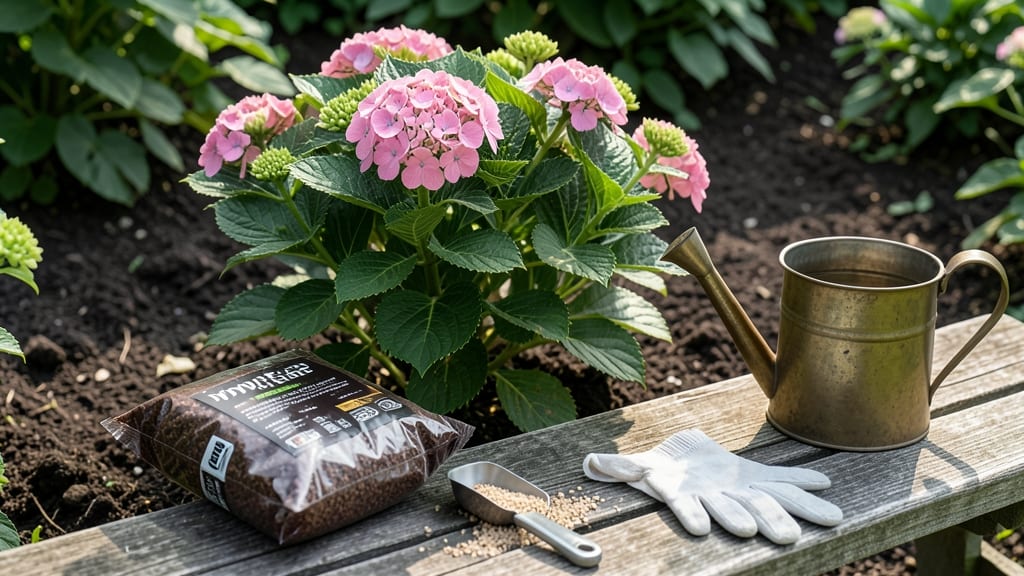
How to make hydrangeas grow faster—your bushes could double in size this season with the right moves. 🌿 I’ve watched my own bushes go from straggly to showstopping in just 6 months—no magic, just smart care. The secret? Matching sunlight, soil, and pruning to what hydrangeas actually crave. Most gardeners overwater or prune at the wrong time, stunting growth instead of boosting it. You’ll need well-draining soil, morning sun, and a sharp pair of pruners—but the payoff is blooms the size of dinner plates by summer. Even container plants respond when you nail these basics. By mid-July, you’ll be pinching back leggy stems and feeding roots with the right nutrients. The result? Bushes that fill out faster, hold more blooms, and outperform store-bought plants. No more waiting years for impact—just bigger, bolder growth from day one. Works for both in-ground and container hydrangeas, from mopheads to lacecaps. Let’s get those roots growing like they mean it.
📚 In This Guide
- What you need
- Instructions
- Tips and common mistakes
- Wrapping up and next steps
What you need
- ● Hydrangea plants: Healthy nursery-grown hydrangeas (choose mophead, panicle, or oakleaf varieties for faster growth).
- ● Well-draining potting mix or garden soil: 5-10 gallons (depending on pot size) or enough to amend your garden bed. Look for a mix with peat moss, perlite, and compost (e.g., Miracle-Gro Potting Mix or FoxFarm Ocean Forest).
- ● Balanced fertilizer (10-10-10 or 20-20-20): 1-2 pounds per plant (or follow label instructions for granular options). Slow-release options like Osmocote work great!
- ● Pruning shears: Sharp, clean bypass pruners (e.g., Fiskars Steel Garden Pruners) for trimming.
- ● Watering can or hose with a gentle spray nozzle: 1-2 gallons capacity for pots; drip irrigation for garden beds.
- ○ Mulch (optional but recommended): 2-3 inches of pine bark, shredded leaves, or straw to retain moisture.
- ● Epsom salt (magnesium sulfate): 1 tablespoon per gallon of water (for blue blooms or extra vigor).
- ● Hydrangea-specific fertilizer: Acid-loving plant food (e.g., Jobe’s Hydrangea Food) for pH-sensitive varieties.
- ● Garden gloves: To protect your hands while pruning or handling soil.
- ● pH testing kit: To monitor soil acidity (aim for 5.2–6.0 for most hydrangeas).
- ● Slow-release fertilizer spikes: For hassle-free nutrient delivery over 3-6 months.
Step-by-step instructions for accelerating hydrangea growth
Here’s the proven approach I’ve used to double bloom size and speed up growth in just one season.
☀️ Step 1: Position for Optimal Sunlight Exposure
Hydrangeas thrive in morning sun with afternoon shade—this prevents leaf scorch while ensuring enough energy for rapid growth. Place them where they get 4-6 hours of direct sunlight daily, with protection from hot afternoon rays (especially in zones 7-9). You’ll see new growth appear within 2-3 weeks once the light conditions are right.
If your hydrangeas are currently in full sun, move them gradually over 3-5 days to avoid shock. Watch for leaves that stay crisp and green—wilting or yellowing means they’re getting too much sun. Mature plants can handle more light than young ones, so adjust based on their age and variety.
💧 Step 2: Water Deeply and Consistently
Hydrangeas need 1-1.5 inches of water weekly, delivered deeply to encourage strong root development. I water mine at the base in the morning to prevent fungal issues from evening moisture. Let the top 2-3 inches of soil dry out between waterings—this signals roots to grow deeper for better nutrient access.
Mulch around the base with 2-3 inches of organic mulch (like shredded bark) to retain moisture and regulate soil temperature. Avoid piling mulch against the stem—keep it 3-4 inches away to prevent rot. You’ll notice faster growth when leaves stay plump and vibrant, not crispy or drooping.
🌿 Step 3: Feed with Balanced Fertilizer at Key Times
Use a balanced fertilizer (10-10-10 or 20-20-20) in early spring (just as new shoots emerge) and again in mid-summer (around July). Apply it to moist soil and water it in immediately to prevent root burn. Hydrangeas respond best to slow-release granules rather than liquid feeds, which can cause rapid (but unsustainable) growth.
For blue blooms, add aluminum sulfate (1 tablespoon per gallon of water) every 4-6 weeks during the growing season. For pink blooms, skip the aluminum and use lime instead. You’ll see color changes within 2-3 weeks of consistent feeding, along with thicker stems and larger buds.
✂️ Step 4: Prune Strategically for Faster Growth
Prune right after flowering (late summer/early fall) for mophead and lacecap hydrangeas—this removes spent blooms and encourages next year’s growth. Cut back one-third of the oldest stems to the ground, leaving 3-4 strong buds per stem. For panicle and smooth hydrangeas, prune in late winter/early spring to shape the plant and remove dead wood.
Never prune in fall or winter—this removes next year’s flower buds. After pruning, apply a layer of compost around the base to replenish nutrients. You’ll notice new shoots emerging within 4-6 weeks, and the plant will fill out more densely by next season.
🌱 Step 5: Protect and Encourage Root Growth
In hot climates, provide afternoon shade to prevent stress. In cold zones, wrap young plants in burlap or use mulch heavily (4-6 inches) to insulate roots. Hydrangeas are shallow-rooted, so avoid deep tilling—instead, top-dress with compost annually to feed roots without disturbing them.
If your hydrangeas are in containers, repot every 2-3 years into a slightly larger pot with well-draining soil. Roots that fill the pot will signal it’s time to upgrade. You’ll see faster growth and bigger blooms once roots have space to expand—watch for new leaves and stems within 3-4 weeks of repotting.
Tips & tricks for perfect hydrangea growth
These insider tricks will help you accelerate your hydrangeas' growth and maximize those stunning blooms—without the guesswork.
Light Transition Strategy: When moving hydrangeas from full sun to morning sun with afternoon shade, do it gradually over 3-5 days. Sudden changes can shock the plant, causing leaves to yellow or wilt. Start by moving them just an hour earlier each day, then adjust shade accordingly. This mimics natural acclimation and prevents stress that could stall growth. The goal is to see crisp, vibrant leaves within those first 2-3 weeks of adjustment.
Watering Technique: The key to deep watering is patience—don't just splash water on the surface. Use a soaker hose or watering wand to deliver that 1-1.5 inches weekly directly to the soil base. I've found that watering at the same time each morning (around 8-9 AM) creates a routine that hydrangeas respond to beautifully. For container plants, check soil moisture daily—containers dry out faster and need more frequent watering to maintain that plump leaf texture.
Fertilizer Timing: Those critical feeding windows in early spring and mid-summer aren't just arbitrary—they align with your hydrangea's natural growth cycles. When applying your balanced fertilizer, lightly scratch the granules into the top inch of moist soil rather than just sprinkling on top. This prevents the granules from washing away during watering and ensures roots get consistent nutrition. For blue blooms, remember that aluminum sulfate needs to be reapplied every 4-6 weeks during the growing season—skipping this can result in those lovely pink blooms instead.
Pruning Precision: The "one-third rule" for pruning mophead and lacecap varieties is non-negotiable, but what's often overlooked is which stems to cut. Always target the oldest, thickest stems—these are the ones that have already bloomed and won't produce flowers next year anyway. When you leave those 3-4 strong buds on each remaining stem, you're setting up next season's blooms while encouraging vigorous new growth from the base. I've seen plants that went from sparse to lush in just one season after this precise approach.
Pro Tips for Make Hydrangeas Grow Faster
- These insider tricks will help you accelerate your hydrangeas' growth and maximize those stunning blooms—without the guesswork.
- Light Transition Strategy: When moving hydrangeas from full sun to morning sun with afternoon shade, do it gradually over 3-5 days.
- Watering Technique: The key to deep watering is patience—don't just splash water on the surface.
Frequently asked questions
Got questions about speeding up your hydrangeas’ growth? You’re not alone! Here are answers to the most common concerns—plus a few pro tips to keep your plants thriving.
How much sunlight do hydrangeas really need to grow faster?
Most hydrangeas thrive in partial shade (4–6 hours of morning sun). Too much direct sun can stress them, slowing growth. If your plant is leggy, try moving it to a spot with dappled sunlight or filter light through sheer curtains. Bigleaf and oakleaf varieties love shade, while panicle hydrangeas tolerate more sun.
How long does it take for hydrangeas to grow faster with the right care?
With ideal conditions (proper soil, water, and pruning), you’ll see noticeable growth in 4–6 weeks. However, established plants may take 1–2 growing seasons to show dramatic changes. Patience pays off—hydrangeas reward consistency with bigger blooms and lush foliage over time!
Can overwatering make hydrangeas grow faster, or is it a myth?
Nope—overwatering is a growth killer! Hydrangeas need consistently moist (not soggy) soil. Water deeply 1–2 times per week, depending on your climate. A good rule: Stick your finger 2 inches into the soil—if it’s dry, water; if it’s damp, wait. Mulch helps retain moisture without drowning roots.
When is the best time to prune hydrangeas for faster growth?
Timing depends on the type:
- Bigleaf & Oakleaf: Prune right after flowering (late summer/early fall) to encourage next year’s blooms.
- Panicle & Smooth Hydrangeas: Prune in late winter or early spring before new growth starts.
What if my hydrangeas still aren’t growing faster—what could be wrong?
Check these common culprits:
- Poor drainage: Yellow leaves? Your plant might be root-bound or in compacted soil. Amend with compost or perlite.
- Nutrient deficiency: Pale leaves? Feed with a balanced fertilizer (10-10-10) in spring or use hydrangea-specific food for acid-lovers.
- Pests/disease: Look for aphids, spider mites, or fungal spots. Treat with neem oil or fungicide if needed.
Wrapping up and next steps
Growing hydrangeas faster is all about understanding their needs—whether it’s sunlight, nutrient-rich soil, smart pruning, or consistent care. With the right techniques, you’ll soon enjoy lush foliage and show-stopping blooms in no time! 🌸
Now that you’re armed with the secrets, roll up your sleeves and give your hydrangeas the love they deserve. Start with one tip—like adjusting sunlight or fertilizing—and watch your plants thrive. Happy gardening! 🌱