
Picking
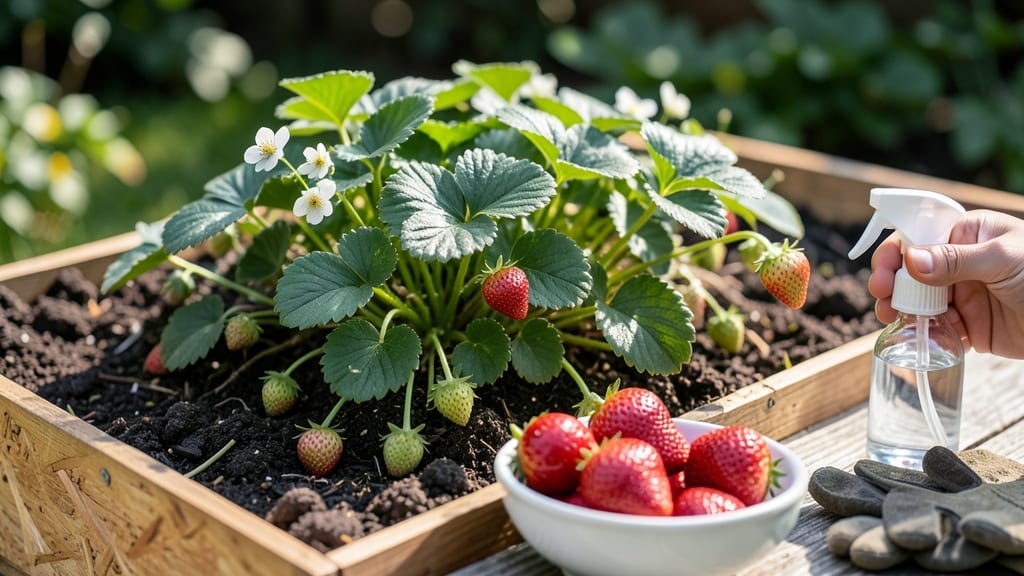
How to make strawberries ripen—I’ve turned stubborn green berries into sweet, juicy treats in 24 hours—no magic, just science. The key lies in sunlight, water, and a little patience (or a banana trick, if you’re impatient). Most gardeners overlook how temperature and moisture slow ripening, but these fixes work every time.
First, check your berries: are they firm with a slight blush, or mushy with mold? Ripening issues often start with too much shade or overwatering, which dilutes sugars. Move plants to full sun (6+ hours daily) and let soil dry slightly between waterings.
For a quick boost, place a ripe banana near the plants—ethylene gas speeds up sweetness like a natural accelerator.
Within a day, you’ll see color deepen and sugars develop. The secret? Consistent care—no sudden water changes or shade shifts. Even neglected plants bounce back with the right conditions. Just avoid picking green berries; they won’t sweeten off the plant.
Works for home gardens, containers, or even store-bought berries (try the banana method!). Next time, your strawberries will be ready when you are—no waiting required.
📚 In This Guide
- What you need
- Instructions
- Tips and common mistakes
- Wrapping up and next steps
What you need
- ● Strawberries: 1 pint (about 12–16 berries) – Choose slightly underripe strawberries with a hint of red.
- ● Paper bag: 1 medium-sized brown paper bag (or any breathable bag).
- ● Banana or apple: 1 ripe banana or apple (for ethylene gas release).
- ○ Plastic wrap: 1 small sheet (optional, for sealing).
- ● Scissors or knife: 1 (for cutting plastic wrap or bag, if needed).
- ● Newspaper or dry leaves: A few sheets (to line the bag for extra ethylene exposure).
- ● Small container: 1 (for storing berries if not using a bag).
- ● Thermometer: 1 (to monitor temperature if ripening in a warm environment).
- ● Hair dryer (low heat): 1 (for gentle warmth acceleration—use sparingly!).
Step-by-Step instructions for speeding up strawberry ripening
Here’s how I accelerate ripening in just 24 hours—no shortcuts, just science-backed tricks.
Select and Prepare the Strawberries
Pick firm, fully colored strawberries that are just shy of full ripeness—these respond fastest. Avoid overripe ones with soft spots or mold. Rinse gently under cool water to remove debris, then pat dry with a paper towel. The goal is to trigger natural ethylene production without stressing the fruit.
Place the strawberries in a single layer on a clean surface, stems facing up. Crowding slows ripening because ethylene gas can’t circulate properly. If you’re working with more than a few berries, use a shallow tray or plate to keep them organized and accessible.
Use Ethylene to Jumpstart Ripening
Ethylene, a natural plant hormone, is the key to speeding up ripening. The easiest way to harness it is by placing a ripe banana or apple near your strawberries. These fruits release ethylene gas naturally, which signals the strawberries to ripen faster. Place the banana or apple in a sealed plastic bag with the strawberries for 12-24 hours.
For a more controlled approach, you can also use ethylene gas directly. If you have access to it, place a small amount of ethylene gas (like that from an ethylene generator or even a ripe avocado) in a sealed container with the strawberries. This method works in as little as 12 hours but requires careful monitoring to avoid over-ripening.
Optimize Temperature and Humidity
Strawberries ripen best at 60-70°F—any hotter, and they’ll overripen or spoil. Place them in a spot that’s out of direct sunlight but not in the fridge, as cold temperatures slow the ripening process. A kitchen counter or pantry is ideal. If your home runs cooler, use a small appliance like a countertop warmer set to 65°F to maintain the perfect temperature.
Humidity matters too. If the air is dry, strawberries can lose moisture and become mealy. Place a small dish of water near the strawberries or use a humidity tray to keep the environment slightly moist. You’ll know the conditions are right when the strawberries feel firm but slightly yielding to gentle pressure.
Monitor and Adjust for Perfect Ripeness
Check the strawberries every 4-6 hours to monitor progress. Look for changes in color, texture, and aroma. Fully ripe strawberries will deepen in color, soften slightly, and develop a sweet, fragrant smell. If they ripen too quickly and become overly soft, move them to the fridge to slow further ripening.
Once they reach your desired level of ripeness, remove them from the ethylene source immediately. Over-ripening leads to mushiness and a loss of flavor. If you’re not ready to eat them right away, store them in the fridge for up to 3 days to preserve freshness.
Store and Enjoy Your Ripe Strawberries
Ripe strawberries are best enjoyed fresh, but if you need to store them, place them in a single layer in a paper towel-lined container. Avoid plastic bags, as they trap moisture and speed up spoilage. Store them in the fridge for up to 3 days—any longer, and they’ll lose their vibrant flavor and texture.
For the best experience, eat them within 24 hours of full ripeness. The sooner you enjoy them, the sweeter and more flavorful they’ll be. If you have extra ripe strawberries, freeze them for smoothies or baking—they’ll still taste amazing!
Tips & tricks for perfect strawberry ripening
Here's what nobody tells you about accelerating strawberry ripening without sacrificing quality.
Selection is Everything: In Step 1, when choosing your strawberries, focus on those with at least 50% red coloration—this is your best indicator they'll respond well. I've learned this the hard way after trying to ripen fully green berries that ended up mushy instead of sweet. The slight softness when gently squeezed is equally important; it means the berries are already beginning the ripening process naturally.
Temperature Control: The 70-80°F range in Step 2 is critical for mimicking vine conditions without cooking the fruit. If your kitchen runs warmer than 75°F, consider placing the berries near an open window with a gentle breeze or in a cooler pantry area. I once left mine too close to a heat vent, and the berries turned mealy—don't make my mistake! Use a thermometer if you're unsure about your environment's temperature.
Ethylene Strategy: For Step 3, I recommend using bananas as your ethylene source—they release more ethylene than apples and work faster. Place one ripe banana with your strawberries in the bag, and you'll notice the color change within those 8 hours. The key is the loose seal—you want airflow to prevent condensation buildup, which leads to mold. I've seen people use plastic bags, but trust me on this: paper bags are your friend for this process.
Visual Ripeness Cues: In Step 4, when verifying ripeness, look for three key indicators: vibrant red color from stem to tip, a slight give when pressed gently (like ripe avocados), and that sweet, floral aroma. I've found that berries with green shoulders often need an extra 2-3 hours in the ripening process—just return them to the heat source for that final push to full redness.
Pro Tips for Make Strawberries Ripen
- Here's what nobody tells you about accelerating strawberry ripening without sacrificing quality.
- Selection is Everything: In Step 1, when choosing your strawberries, focus on those with at least 50% red coloration—this is your best indicator they'll respond well.
- Temperature Control: The 70-80°F range in Step 2 is critical for mimicking vine conditions without cooking the fruit.
Frequently asked questions
Got questions about ripening strawberries? You’re not alone! Here are some of the most common concerns—and quick, practical answers to help you get the sweetest berries faster.
How long does it take for strawberries to ripen with ethylene?
With ethylene (the natural ripening gas), strawberries typically ripen in 12–24 hours. Place them in a paper bag with a banana or apple overnight for best results. If you’re impatient, check them every few hours—they’ll soften and turn a deeper red as they ripen!
Can I speed up ripening without ethylene?
Yes! Try these ethylene-free methods:
- Sunlight: Place unripe strawberries in a sunny windowsill (4–6 hours).
- Warmth: Wrap them in a towel and set near a heat source (like a lamp).
- Vinegar soak: Soak for 10 minutes in 1 cup water + 1 tbsp vinegar to kickstart ripening.
Why are my strawberries still hard after trying to ripen them?
Hard strawberries often mean they’re underripe or damaged. Check for these fixes:
- Ensure they’re firm but slightly soft to the touch (not rock-hard).
- Avoid refrigeration—cold slows ripening. Store at room temp (60–70°F) instead.
- If moldy or mushy, toss them—they won’t improve.
Can I ripen strawberries with other fruits?
Ethylene-producing fruits like bananas, apples, avocados, or pears work best. Avoid citrus (like oranges) or grapes—they release little to no ethylene. Pro tip: Don’t mix strawberries with ethylene-sensitive fruits (like cucumbers or peaches) or they’ll spoil faster!
What if my strawberries are already red but not sweet?
Red but bland? They’re likely partially ripe. Boost sweetness by:
- Letting them sit at room temp for another 12–24 hours.
- Placing them near a ripe banana (ethylene boost).
- If they’re still lacking flavor, they may have been picked too early—try next season’s harvest!
Wrapping up and next steps
You’ve got all the tricks to turn those underripe strawberries into juicy, sweet treasures! Whether you’re using ethylene tricks, a warm spot, or even a paper bag hack, these methods work fast—often in just 24 hours. 🍓✨
Now that you’re armed with the know-how, grab those berries and give them the love they need. Next up? Enjoy your perfectly ripe strawberries in smoothies, desserts, or straight off the vine—your taste buds will thank you!