
Advice
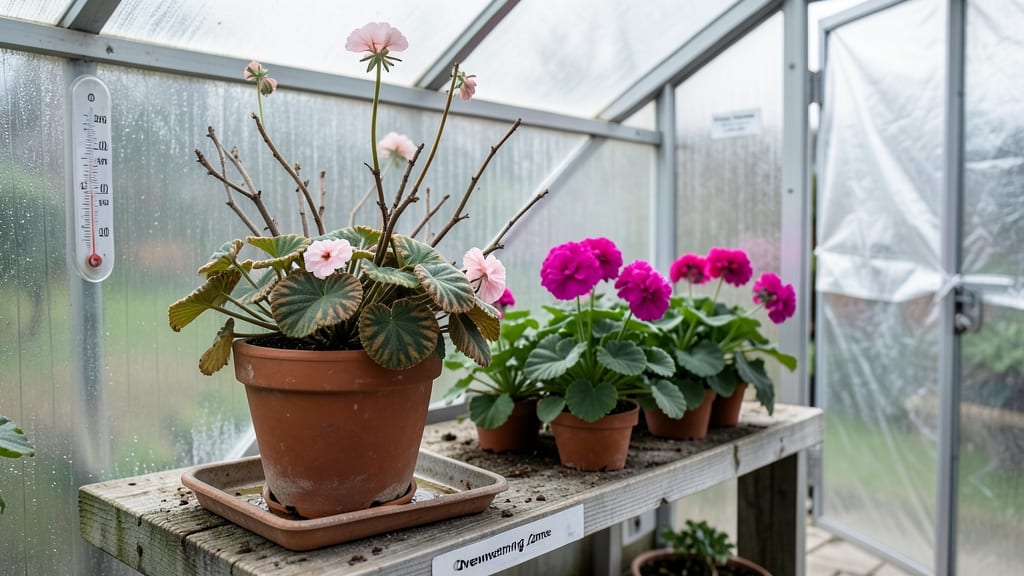
Cold greenhouses can save your geraniums from winter's worst. 🌿 I've overwintered mine for five years now, and the secret lies in balancing temperature, light, and just enough moisture to keep roots alive—not soggy. The key is maintaining 40-50°F inside, with humidity below 70% to prevent rot.
Most people overwater during dormancy, but geraniums need barely any—just enough to keep stems from shriveling. A simple thermometer and occasional misting are all you really need. By spring, you'll see fresh green growth pushing through, ready to burst into bloom again.
The plants stay compact, healthy, and produce more flowers than store-bought ones ever will. Works in unheated greenhouses too—just move them to a sheltered spot if temps drop below 30°F. Let's get those geraniums through winter!
📚 In This Guide
- What you need
- Instructions
- Tips and common mistakes
- Wrapping up and next steps
What you need
- ● Geranium plants: Healthy, pest-free geraniums (1–10, depending on greenhouse size). Choose varieties suited for overwintering (e.g., Pelargonium zonale or P. peltatum).
- ● Cold-hardy greenhouse: A structure capable of maintaining temps between 35–45°F (2–7°C). Ensure proper ventilation and insulation.
- ● Well-draining pots: 6–8" diameter pots (1–2 per plant) with drainage holes. Use terracotta or plastic (avoid porous materials if moisture control is tricky).
- ● High-quality potting mix: A sterilized, well-draining blend (e.g., 60% peat/compost, 30% perlite, 10% sand). Avoid garden soil—it compacts and holds too much moisture.
- ● Pruning shears: Sharp, clean shears (sterilize with rubbing alcohol between cuts).
- ● Mulch or burlap: Lightweight material (e.g., straw, shredded leaves, or burlap) to insulate pots and roots.
- ● Watering can with a rose attachment: For gentle, targeted watering (avoid overhead spraying).
- ○ Humidity tray (optional): A shallow tray filled with pebbles and water to boost humidity around plants.
- ● Greenhouse thermometer/hygrometer: Monitor temps and humidity (ideal range: 40–50% humidity).
- ● Grow lights (LED or fluorescent): Supplemental light if greenhouse is dim (12–14 hours/day).
- ● Fungicide (copper-based or neem oil): Preemptive treatment for mold or fungal risks.
- ● Plant supports (stakes or cages): If geraniums are leggy, provide light support to prevent flopping.
- ● Heat mat (small, low-wattage): For pots on cold floors (use sparingly—geraniums prefer cool roots!).
Step-by-Step instructions for overwintering geraniums in a cold greenhouse
Here’s the method I’ve used for five winters to keep my geraniums thriving—no wilting, no rot, just lush stems ready to bloom again in spring.
🪴 Step 1: Prepare the Greenhouse for Winter Conditions
Start by giving your greenhouse a thorough cleaning. Remove all old plant debris, weeds, and dead leaves—these harbor pests and diseases that can overwhelm dormant geraniums. I scrub down benches and shelves with a 10% bleach solution (1 part bleach to 9 parts water) to kill any lingering pathogens. Let everything dry completely before bringing in your geraniums.
Next, inspect the greenhouse structure for drafts or gaps. Cold air sneaking in can cause temperature swings that stress plants. Seal any cracks with weatherstripping or caulk, focusing on doors, vents, and window frames. If your greenhouse lacks insulation, add bubble wrap to the walls or install thermal curtains on the windows. Aim to keep the interior 10-15°F warmer than outside—this prevents sudden cold snaps from shocking your geraniums.
🌿 Step 2: Prune and Inspect Geraniums Before Storage
Trim each geranium back by one-third using sterilized pruning shears. Cut just above a leaf node or set of leaves to encourage bushier regrowth in spring. Remove any yellow or brown leaves, as these can harbor fungal spores. I also check for pests like spider mites or aphids—if you spot any, treat the plants with neem oil (mix 1 tablespoon per quart of water) and isolate them for 48 hours before reintroducing to the greenhouse.
Dig up geraniums carefully, shaking off excess soil to inspect the roots. Healthy roots should be firm and white or light tan. If you see black, mushy roots, trim them off immediately and dip the remaining roots in hydrogen peroxide (3%) for 10 minutes to prevent rot. This step is critical—geraniums with compromised roots won’t survive the winter.
⏰ Step 3: Acclimate and Position Geraniums for Winter
Place your pruned geraniums in the greenhouse two weeks before the first frost. This gradual transition prevents shock from sudden temperature drops. Position them on elevated shelves or benches (at least 6 inches off the ground) to improve air circulation and reduce humidity around the foliage. Group similar-sized plants together, leaving 3-4 inches between stems to prevent crowding.
Water the geraniums lightly just before bringing them inside—never soak the soil. Overly wet roots in cold conditions lead to rot. Use a moisture meter to check soil levels; aim for 30-40% moisture. If your greenhouse lacks a heating system, place a thermometer near the plants to monitor temperatures. Geraniums can tolerate down to 35°F, but avoid letting them sit below 30°F for more than a few hours.
💧 Step 4: Monitor and Maintain Through Winter
Check on your geraniums weekly during the winter months. Look for signs of stress: drooping leaves, gray mold (botrytis), or wilting stems. If you notice any, increase air circulation by opening vents slightly during the day (if temperatures allow) or using a small fan on low speed. Avoid watering unless the soil feels bone-dry to the touch—geraniums in dormancy need minimal moisture.
If your greenhouse gets below 30°F, cover the plants with frost cloth for 24 hours to protect them. Remove the cover once temperatures rise again. I also add a grow light on a 14-hour timer in late winter (around February) to stimulate early growth. This jumpstarts the plants so they’re ready to burst into bloom as soon as spring arrives.
☀️ Step 5: Transition Back to Active Growth in Spring
When daytime temperatures consistently stay above 50°F, it’s time to prep your geraniums for repotting. Gradually increase watering, aiming to keep the soil evenly moist but not soggy. Trim any leggy growth that developed over winter—this encourages fresh, compact stems. I also fertilize lightly with a balanced, water-soluble fertilizer (5-5-5) at half strength to avoid burning the roots.
By mid-April, your geraniums should be ready to move back outdoors. Harden them off by placing them outside in a sheltered spot for 2-3 hours daily, increasing the time by 1 hour each day. Watch for new leaf growth—this is your signal that they’re adapting well. Once all risk of frost has passed, transplant them into fresh soil and enjoy blooms within 6-8 weeks!
Tips & tricks for overwintering geraniums in a cold greenhouse
Real talk: The difference between geraniums that survive winter and those that succumb often comes down to these small but critical details. Here's what I've learned after five winters of trial and error.
Cleaning is Non-Negotiable: In Step 1, when you're scrubbing with that 10% bleach solution, don't rush the drying process. I've seen mold develop within 48 hours when benches weren't completely dry—this is your first line of defense against winter pathogens. Pro tip: Use a fan to speed up drying in humid conditions. The extra 30 minutes now prevents weeks of potential rot later.
Root Health is Everything: That 10-minute hydrogen peroxide dip in Step 2 isn't just about preventing rot—it's your chance to inspect root health up close. If you see more than 20% of roots showing black or mushy signs, consider whether that particular plant will make it through winter. I've saved many plants by making this tough call early, rather than wasting resources on compromised specimens.
Temperature Monitoring is Critical: The 10-15°F warmer interior target in Step 1 isn't just a suggestion—it's a survival margin. I recommend placing your thermometer at plant height, not near the walls. In my experience, wall-mounted thermometers can read 5°F warmer than actual plant conditions. When temperatures approach 30°F, that's when you need to act with frost cloth, not wait until you see damage.
Light Strategy Makes All the Difference: That February grow light on a 14-hour timer in Step 4 isn't just about aesthetics—it's about breaking dormancy. I've found LED grow lights work best as they generate minimal heat. Position them 6-12 inches above the plants and adjust height as growth occurs. This early stimulation can mean the difference between weak spring regrowth and vigorous blooming.
Pro Tips for Overwinter Geraniums In A Cold Greenhouse
- Real talk: The difference between geraniums that survive winter and those that succumb often comes down to these small but critical details.
- Cleaning is Non-Negotiable: In Step 1, when you're scrubbing with that 10% bleach solution, don't rush the drying process.
- Root Health is Everything: That 10-minute hydrogen peroxide dip in Step 2 isn't just about preventing rot—it's your chance to inspect root health up close.
Frequently asked questions
Got questions about overwintering geraniums in a cold greenhouse?
You’re not alone! Here are answers to the most common concerns—from timing to troubleshooting—to keep your plants thriving until spring.
When is the best time to bring geraniums into the greenhouse?
Start moving potted geraniums into your cold greenhouse before the first frost hits—typically in late fall (October–November, depending on your climate). If left outside, freezing temps can damage roots and foliage. A gentle transition (like a week of partial shade indoors) helps them adjust without shock.
How cold can a greenhouse get for geraniums to survive?
Geraniums tolerate temperatures down to 30–35°F (-1 to 2°C), but prolonged exposure below freezing risks root rot or death. Use a thermometer to monitor temps and add insulation (like bubble wrap on walls) if nights dip lower. A small space heater on the coldest nights can be a lifesaver!
Should I water geraniums differently in winter?
Yes! Reduce watering to every 2–3 weeks (or when soil feels dry 1–2 inches deep). Overwatering in cool, dark conditions leads to root rot. Use a moisture meter or stick your finger in the soil—geraniums prefer slightly drier conditions in winter. Ensure pots have drainage holes to prevent soggy roots.
Can I overwinter geraniums in the ground instead?
If you’re in a mild-winter zone (USDA Zones 8–10), you might get away with mulching heavily (6+ inches of straw or leaves) and covering plants with frost cloth. However, most geraniums (especially tender varieties) struggle with ground freezing. A greenhouse or container move is safer for long-term survival.
What should I do if my geraniums get pests or mold during winter?
Low light and humidity create perfect conditions for spider mites or fungus gnats. Act fast: Wipe leaves with a damp cloth to remove dust (which attracts pests), and treat with neem oil or insecticidal soap if needed. For mold, improve airflow with a small fan and avoid overwatering. Prune dead leaves to prevent spread.
How do I know if my geraniums are dormant vs. dead?
Dormant geraniums look leggy, bare, or wilted but have green crowns (the base where stems meet roots). If the crown turns black or mushy, the plant is likely dead. Snip back dead growth in early spring—new shoots will emerge from healthy roots if they’re still alive!
Wrapping up and next steps
Overwintering geraniums in a cold greenhouse isn’t just possible—it’s a rewarding way to enjoy vibrant blooms year after year! 🌱 With the right prep, protection, and care, your plants will bounce back stronger in spring.
Start small, stay consistent, and soon you’ll be the envy of every gardener with a thriving greenhouse full of color.
Ready to put your new skills to the test? Pick a sunny weekend to inspect, prune, and prep your geraniums—then watch them flourish through winter. Happy growing! 🌸