
How To
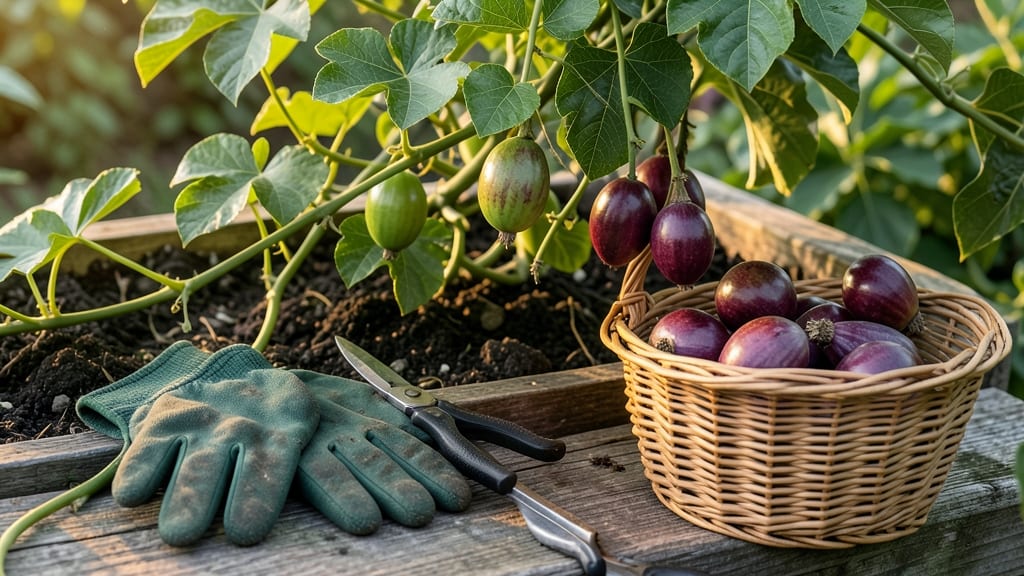
The ultimate passion fruit ripeness guide: visual and tactile clues
Passion fruit ripeness can be tricky—one wrong squeeze, and you might end up with a mealy, underripe fruit or an overly mushy one. The key lies in combining visual cues, tactile checks, and even scent.
Unlike many fruits that ripen off the vine, passion fruit must be harvested at peak ripeness, so knowing these exact indicators makes all the difference.
First, let’s tackle the most obvious clue: color changes. Most passion fruit varieties transition from bright green to deep yellow, purple, or red**, depending on the type.
For example, the popular yellow passion fruit will turn a golden hue, while the purple passion fruit develops a rich, almost black-purple skin. But here’s the catch—color alone isn’t enough.
| Ripeness Indicator | What to Look For | Best Practice |
|---|---|---|
| Color | Yellow passion fruit: Golden yellow; Purple passion fruit: Deep purple-black | Check for uniform color—uneven patches may mean uneven ripeness. |
| Texture | Skin gives slightly when pressed (like a ripe avocado) | Avoid fruits that feel too hard or too soft—both indicate off-ripeness. |
| Scent | Sweet, tropical aroma near the stem | A strong, pleasant scent means peak ripeness; no scent means underripe. |
| Stem Detachment | Stem snaps cleanly when twisted | If the stem tears instead of snapping, the fruit isn’t ready. |
The squeeze test is where things get scientific. Gently press the fruit—it should yield slightly but not squish like overripe fruit. Think of it as the texture of a ripe peach: firm yet giving.
If the skin resists pressure, the fruit needs more time on the vine. Conversely, if it feels mushy or leaves an indent, it’s past its prime.
Don’t overlook the scent test. A ripe passion fruit releases a sweet, floral aroma near the stem. Sniff carefully—if there’s no scent, the fruit is underripe. Pro tip: Hold the fruit to your nose and give it a gentle twist to release more aroma.
This is especially useful for purple passion fruit, which can be harder to judge by color alone.
Regional variations play a role too. In warmer climates like Florida or California, passion fruit ripens faster due to higher temperatures. Meanwhile, in cooler subtropical zones like parts of Australia or South Africa, the ripening process slows down.
Always adjust your expectations based on your local climate—what’s ripe in Zone 11 might still need a few extra days in Zone 9b.
One common misconception is that size determines ripeness. A large passion fruit isn’t necessarily ripe—it could just be overfed or overwatered. Focus on the color, texture, and scent trio instead. And remember: passion fruit doesn’t ripen well off the vine, so timing your harvest is critical.
For container-grown passion fruit, ripening can be even trickier due to limited root space and varying sunlight exposure. Monitor these plants daily during peak harvest season (typically late summer to early fall) and be prepared to harvest more frequently.
Containers also dry out faster, so ensure your plant is well-watered but not soggy.
If you’re still unsure, try the float test as a backup. Place the fruit in a bowl of water—if it floats, it’s underripe; if it sinks, it’s ready to eat.
This works because ripe passion fruit has a higher sugar content, making it denser. However, this method isn’t foolproof, so always combine it with the squeeze and scent tests for accuracy.
Once you’ve mastered these clues, you’ll never waste another passion fruit again. The next step? Learning how to harvest and store them properly to preserve that perfect ripeness.
But for now, head to your garden, pick up a fruit, and put these tips to the test—your taste buds will thank you!
The ultimate passion fruit ripeness guide: visual and tactile clues
Passion fruit ripeness isn't just about color—it's a multi-sensory experience combining visual cues, tactile feedback, and even aromatic signals.
The purple passion fruit (Passiflora edulis) and yellow passion fruit (Passiflora edulis flavicarpa) mature differently, so knowing these key indicators ensures you never pick underripe or overripe fruit again.
Start with color changes, the most obvious sign. Purple varieties shift from bright green to deep purple-brown, while yellow varieties transition from greenish-yellow to a golden hue. However, color alone isn't enough—some fruits stay green longer in cooler climates, so don't rely on it exclusively.
Next, trust your nose. A ripe passion fruit emits a sweet, tropical aroma near the stem. If it smells musty or fermented, it's past its prime. This scent develops as the fruit's sugars peak and acids mellow, making it a reliable secondary indicator of ripeness.
Here’s how these visual and scent clues compare across varieties, along with the tactile test you can’t skip:
| Clue | Purple Passion Fruit | Yellow Passion Fruit | Tactile Test |
|---|---|---|---|
| Color | Deep purple-brown | Golden yellow | Fully colored + slight softness |
| Scent | Sweet, tropical | Sweet, floral | Gentle squeeze = slight give |
| Texture | Slightly soft | Firm but yielding | Stem snaps cleanly |
| Sound | Hollow thud | Dull thump | Detaches easily |
Regional variations matter too. In cooler climates (like Zone 9b), passion fruit may stay green longer due to slower sugar development. Conversely, in hotter zones (like Zone 11), fruits ripen faster and may over-ripen quickly once detached.
Always harvest in the morning when temperatures are cooler to preserve freshness.
Pro tip: Twist gently at the stem—if it snaps cleanly and the fruit detaches without tearing, it’s ready. This stem test is your final check before harvesting, ensuring the fruit isn’t still attached by a stubborn thread (a sign it’s not fully ripe).
Now that you’ve mastered the visual and tactile clues, let’s dive into the squeeze test—the gold standard for passion fruit ripeness that separates the pros from the amateurs. 🌱