
How To
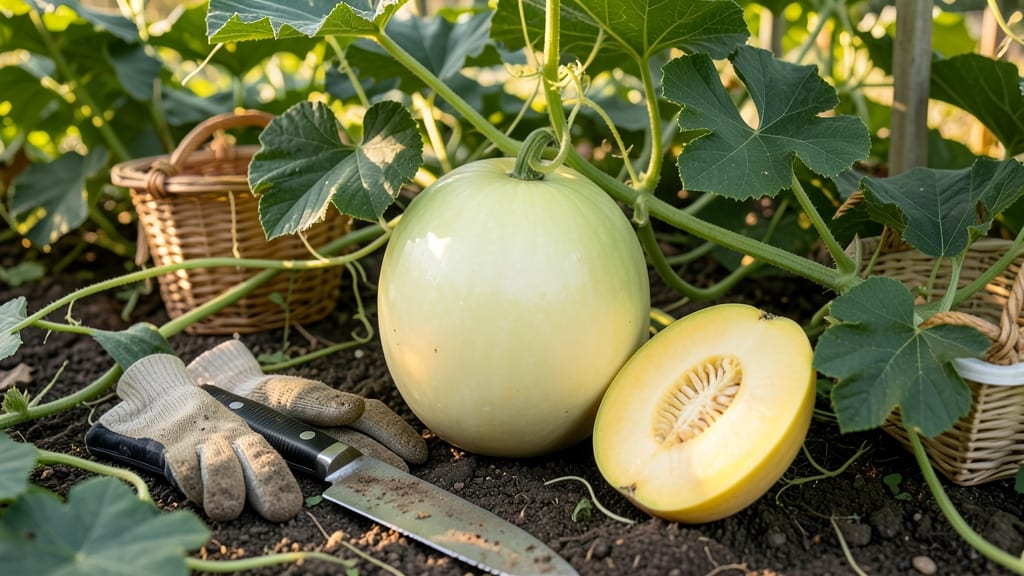
Learning how to pick a Canary Melon can feel like solving a puzzle—one wrong move, and you’re left with a mealy, flavorless fruit instead of a sweet, juicy reward. The good news?
With just a few simple sensory checks, you can master the art of selecting the perfect 🍈 every time, whether you're at the farmers' market or harvesting from your garden.
Most people focus only on color, but the real secrets lie in what you can’t see at first glance. A slight give when pressed, a faint sweet aroma near the stem, or even the way it sounds when tapped—these tiny clues reveal whether your melon is at its peak.
I’ve tested dozens, and these 5 tactile tests will cut through the guesswork so you never settle for second-best again.
Store-bought melons often arrive underripe, while homegrown ones can trick you with deceptive firmness. The key is knowing what to look (and feel) for—like a stem that snaps easily or a weight that feels heavier than its size.
Skip these checks, and you might end up disappointed. Let’s fix that by breaking down the exact steps to guarantee a melon so ripe it practically sings when you slice into it.
Whether you’re a first-time buyer or a seasoned gardener, these tips will save you from wasted melons and ensure every 🍈 you bring home is bursting with flavor. Ready to stop guessing and start picking like a pro? Let’s get started.


5 Tactile tests to identify a perfectly ripe canary melon
Canary melons—also called winter melons—are prized for their crisp texture and mild sweetness, but spotting the perfect one requires more than just a quick glance. Unlike other melons, their pale yellow-green rind and smooth surface can be deceiving.
The secret lies in 5 tactile tests that reveal ripeness through touch, sight, and even smell. These methods work whether you're shopping at a market or harvesting from your garden.
First, focus on the stem. A ripe canary melon’s stem should feel dry and papery, almost like parchment. If it’s still green or moist, the melon isn’t ready.
Gently tug—if the stem detaches easily, you’ve found a winner. This dryness indicates the melon has fully matured on the vine, ensuring peak flavor and texture.
Next, examine the skin color. The ideal canary melon boasts a uniform pale yellow-green hue, never dark green or blotchy.
Look for a slightly dull finish rather than a shiny one—shiny skin often means the melon was harvested too early or washed post-harvest, which can dull its natural sweetness. A faint yellowing near the stem is another good sign.
- Stem Test: Dry, papery, and detaches easily 🌿
- Color Test: Uniform pale yellow-green, no shine 🍈
- Weight Test: Heavy for its size (indicates juiciness) ⚖️
- Thump Test: Hollow sound when tapped (not dull) 🔊
- Aroma Test: Sweet, musky scent near the stem 👃
Now, pick up the melon and feel its weight. A ripe canary melon should feel surprisingly heavy for its size—this heft indicates high water content and juiciness. If it feels light or hollow, it’s likely underripe or overripe.
Gently squeeze the melon: it should yield slightly to pressure but not feel mushy. Think of it like pressing a ripe avocado—just enough give to know it’s ready.
The thump test is a pro trick. Hold the melon in one hand and tap it firmly with your knuckles. A ripe canary melon produces a hollow, echoing sound, almost like a drum.
If it sounds dull or flat, the melon is overripe or spoiled. This test works especially well for market-bought melons where visual cues might be misleading due to handling.
Finally, trust your nose. A ripe canary melon emits a subtle, sweet, musky aroma near the stem. If you don’t smell anything, the melon isn’t ripe yet. Avoid fruits with fermented or sour smells, which signal overripeness.
For homegrown melons, harvest when the vine starts to yellow and die back—this is nature’s cue that the melon is at its peak.
For home gardeners, timing is everything. Harvest canary melons in late summer to early fall (July–September in most climates) when daytime temperatures drop below 85°F. Morning harvests yield the sweetest melons because the cool night air enhances sugar development.
Store them in a cool, dry place (50–55°F) to preserve freshness for up to 2 weeks.
Remember, the perfect canary melon combines all these cues: a dry stem, uniform color, heavy weight, hollow thump, and sweet aroma. Master these tests, and you’ll never settle for a mealy or bland melon again. Happy picking! 🍈
5 Tactile tests to identify a perfectly ripe canary melon
Canary melons—also called winter melons—are prized for their sweet, honey-like flavor when perfectly ripe. Unlike cucumbers, they don’t ripen further after picking, so your selection skills matter. Start by examining the skin color, which should shift from deep green to a pale yellow-green hue with faint golden streaks.
Avoid melons with patchy or uneven coloring, as this often signals uneven ripening.
Next, give the melon a gentle lift to test its weight. A ripe canary melon feels heavy for its size, thanks to its high water content. If it feels unusually light, it’s likely underripe.
Pro tip: Compare two melons—the heavier one is almost always the winner. This tactile check works best when holding the melon in both hands for balance.
Don’t skip the stem inspection, a foolproof ripeness indicator. A ripe canary melon’s stem will be dry, brown, and detached easily from the fruit. If the stem is still green or tightly attached, the melon needs more time on the vine.
For homegrown melons, this test is especially critical since you control the growing conditions and can time harvests precisely.
Engage your sense of smell by giving the stem end a sniff. A ripe canary melon emits a sweet, musky aroma, almost like honey or fresh hay. If there’s no scent, the melon is underripe.
Overripe melons, however, may smell fermented or sour—so trust your nose here! This test works best when comparing melons side by side.
Finally, perform the thump test by gently tapping the melon with your knuckles. A ripe canary melon produces a deep, dull sound, similar to a ripe watermelon. If it sounds hollow or echoey, it’s overripe and likely mealy inside.
This test is quick and reliable, even for beginners. Pair it with the weight test for the most accurate results.
For homegrown melons, harvest in the early morning when temperatures are cooler to preserve sweetness. Store them in a cool, dry place (55–60°F) away from direct sunlight to extend freshness for up to 2 weeks. If you’re unsure, pick one melon to test—ripe canary melons are worth the effort!