
Succulent
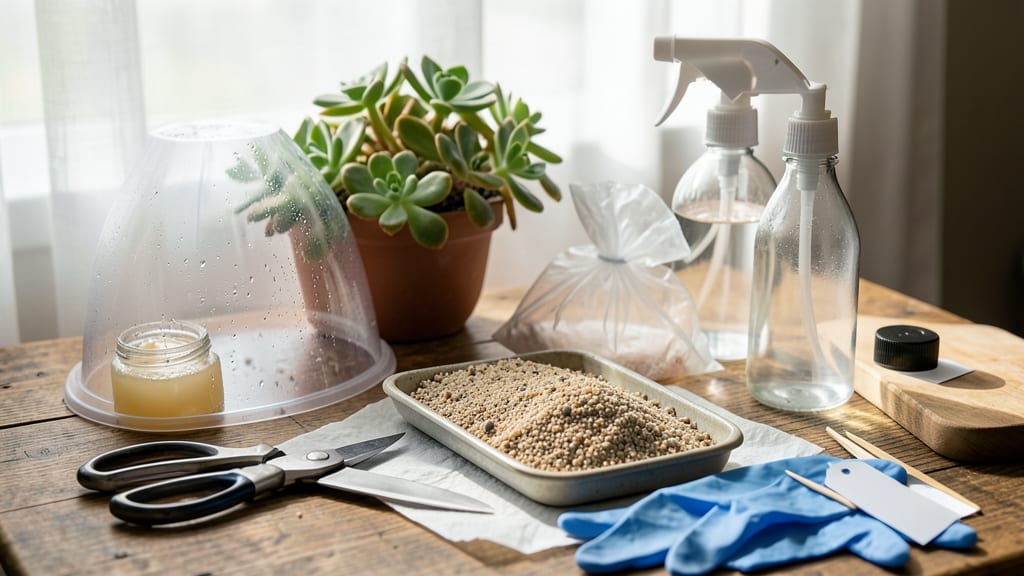
Cloning succulents turns a single plant into a whole collection—without spending a dime. 🌱 I’ve doubled my succulent collection this way, and the best part? You don’t need fancy tools or a green thumb to get started.
The key is patience and a little know-how, but the results—plump, healthy new plants—are worth every wait.
This method works for almost any succulent, from rosettes like echeveria to trailing varieties like string of pearls. All you need are sharp scissors, a well-draining soil mix, and a sunny windowsill or grow light.
The process is simple: take a cutting (leaf, stem, or offset), let it callus, then plant it in the right medium. Most succulents root in just 2-4 weeks if you keep conditions right.
What you’ll end up with is a thriving new plant that looks just like its parent—only healthier, since you’re starting with disease-free stock. The first time I saw roots form on my cuttings, I couldn’t believe how easy it was.
No more overpaying for nursery plants when you can grow your own for free.
Whether you’re working with a single prized succulent or a whole collection, this technique scales effortlessly. The only real secret? Consistency—keep the cuttings dry at first, then gradually introduce moisture as roots develop. Ready to multiply your plants without the cost?
📚 In This Guide
- What you need
- Instructions
- Tips and common mistakes
- Wrapping up and next steps
What you need
- ● Healthy succulent parent plant – Choose one with at least 3-4 leaves or a sturdy stem.
- ● Sharp, clean scissors or pruning shears – Sterilize with rubbing alcohol to prevent infections.
- ● Small pots or trays – 2-4 inch pots work well for single cuttings; trays are great for batch propagation.
- ● Well-draining potting mix – A cactus/succulent blend (or add perlite/pumice for extra drainage).
- ○ Gravel or sand (optional but recommended) – For bottom layers to improve airflow and drainage.
- ● Spray bottle with water – Misting lightly helps hydration without drowning cuttings.
- ● Rooting hormone – Speeds up root growth (especially for tricky varieties like echeverias).
- ● Clear plastic dome or ziplock bag – Creates a humid microclimate for faster rooting.
- ● Chalk or charcoal – Dusting cut ends prevents rot and fungal issues.
- ○ Heat mat (optional) – Keeps soil warm (70-75°F) for tropical succulents like haworthias.
- ● Labels & markers – Track varieties if propagating multiple types!
Step-by-Step instructions for cloning succulents
Here’s how I’ve propagated dozens of healthy succulents—no fancy tools, just patience and precision.
🌱 Step 1: Select and Prepare Healthy Mother Plants
Choose a mature, thriving succulent with at least 3-4 inches of stem and multiple leaves. Avoid plants under stress (yellowing, mushy spots) or those treated with pesticides—chemicals can stunt new growth. I always pick stems with 3-5 leaves for best rooting success.
Wash your hands and sanitize pruning shears with rubbing alcohol (70% or higher). Cut a stem just below a leaf node—this is where roots will emerge. Let the cut end callous over for 1-2 days to prevent rot. Place the cuttings in a dry, shaded spot while you prepare propagation containers.
🪴 Step 2: Choose the Right Propagation Medium
Succulents root best in fast-draining mixes—never use regular potting soil. I blend 50% perlite and 50% coarse sand (or a commercial cactus/succulent mix) for optimal airflow. Fill small pots (2-3 inches deep) with the mix, leaving ½ inch of space at the top to prevent overflow.
Moisten the mix lightly until damp but not soggy—succulent roots need oxygen, not waterlogged conditions. Tap the pot gently to settle the soil. For 4 cuttings, use one 4-inch pot or individual 2-inch pots to monitor each cutting’s progress.
💧 Step 3: Plant Cuttings and Control Moisture
Dip the calloused end of each cutting in rooting hormone (optional but speeds success). Insert the stem ½ inch deep into the soil, pressing lightly to secure it. Space cuttings 1-2 inches apart to avoid crowding. Water sparingly—just enough to moisten the soil around the base, not the leaves.
Place the pot in bright, indirect light (east or north window). Avoid direct sun—it dries out cuttings too fast. Mist the air daily with a spray bottle to maintain 60-70% humidity, but never let water pool on leaves. Roots typically form in 2-4 weeks, but some varieties (like echeverias) take 6-8 weeks.
☀️ Step 4: Gradually Acclimate New Plants
When you see tiny roots peeking from the soil or new growth at the top, it’s time to transplant. Gently remove the cutting and check for 1-2 inch roots. If roots are sparse, leave it in the propagation mix for another week. For established roots, repot into individual 4-inch pots with fresh cactus mix.
Hardening off is critical: Move the new plants to morning sun only for the first 3-5 days, then gradually increase exposure. After 2 weeks, they’ll tolerate full sun. Water only when the soil is completely dry—overwatering kills succulents faster than anything else.
✂️ Step 5: Maintain and Troubleshoot
Healthy cloned succulents grow ½ inch per month. If leaves wrinkle or fall off, you’re overwatering. Yellowing at the base? Rot from poor drainage. I always keep a small fan on low near new plants to strengthen stems and prevent legginess.
After 3 months, your clones will be ready to share. Prune leggy growth to encourage bushiness, and fertilize once with a diluted succulent fertilizer (½ strength) in spring. The key to healthy clones? Patience and precision—rush it, and you’ll lose them.
Tips & tricks for perfect succulent propagation
These insights will help you avoid common pitfalls and maximize your success rate with succulent cloning.
Leaf Node Precision: In Step 1, cutting just below a leaf node is critical—this is where the growth hormones are concentrated. I learned this the hard way after struggling with rooting failures. Use a sharp tool and make clean cuts to minimize damage to the stem. If you're unsure where the node is, look for the small bump or joint where leaves attach.
Rooting Hormone Alternatives: While rooting hormone speeds up success, you can achieve great results without it. For a natural alternative, try soaking the cut end in cinnamon powder for 10 minutes before planting—it has antifungal properties that prevent rot. Just be sure to let the cut end callous over for those 1-2 days as instructed in Step 1.
Humidity Control: The daily misting in Step 3 is essential, but humidity levels can vary dramatically by environment. If your home is particularly dry, consider placing a tray of water with pebbles near your propagation pots. The evaporation creates a microclimate that maintains that 60-70% humidity range without overwatering the cuttings. This is especially helpful in winter when indoor air gets dry.
Variety-Specific Timelines: Remember that the 2-4 week rooting timeframe in Step 3 varies by succulent type. Echeverias and sempervivums often take the full 6-8 weeks mentioned, while jade plants and sedums may root in as little as 2 weeks. Keep a propagation journal to track each variety's progress—this helps you anticipate when to check for roots or transplant.
Pro Tips for Clone Succulents
- These insights will help you avoid common pitfalls and maximize your success rate with succulent cloning.
- Leaf Node Precision: In Step 1, cutting just below a leaf node is critical—this is where the growth hormones are concentrated.
- Rooting Hormone Alternatives: While rooting hormone speeds up success, you can achieve great results without it.
Frequently asked questions
Got questions about cloning succulents? You’re not alone! Here are some of the most common concerns—plus quick, no-stress answers to keep your new plants thriving.
How long does it take for a succulent cutting to root?
Most succulent cuttings root in 2–6 weeks, depending on the species, humidity, and care. Leaf cuttings (like for echeverias) may root faster (1–3 weeks), while stem cuttings (like for snake plants) can take longer. Patience is key—keep them in bright, indirect light and avoid overwatering!
Can I clone succulents year-round, or is there a best time?
You can propagate succulents anytime, but spring and early summer (when growth is active) are ideal. Avoid extreme heat or cold—60–75°F (15–24°C) is perfect. If cloning in winter, use a heat mat to help rooting. Just skip the holidays if frost is in the forecast!
Why is my succulent cutting rotting after I planted it?
Overwatering is the #1 killer of cuttings! Succulents hate soggy roots—wait until the soil is completely dry before watering again. Use a well-draining mix (like cactus soil + perlite), and ensure the container has drainage holes. If rot starts, trim the affected part and let it dry for a few days before replanting.
What’s the easiest succulent to clone for beginners?
Start with leaf-propagating succulents like echeveria, sedum, or jade plants. They’re forgiving and root effortlessly from a single leaf! For stem cuttings, try haworthia or snake plants. Avoid finicky varieties like lithops until you’re confident—some species need special conditions.
Can I reuse the soil from my old succulent pot for cloning?
Only if it’s sterile and well-draining. Old soil may harbor pests or fungi. To refresh it, bake it in the oven at 200°F (93°C) for 30 minutes to kill pathogens, then mix in fresh perlite or pumice. Alternatively, use a new batch of cactus/succulent mix to play it safe.
Wrapping up and next steps
Cloning succulents is a rewarding way to expand your collection—whether you're a beginner or a seasoned plant lover! With just a few simple steps, you can propagate healthy new plants from cuttings, leaves, or offsets. The key is patience, proper care, and a little creativity.
Now that you’ve mastered the basics, why not try your hand at experimenting with different succulent varieties or even share your new plants with friends? Your green thumb is about to grow even greener! 🌱✨