
Pests
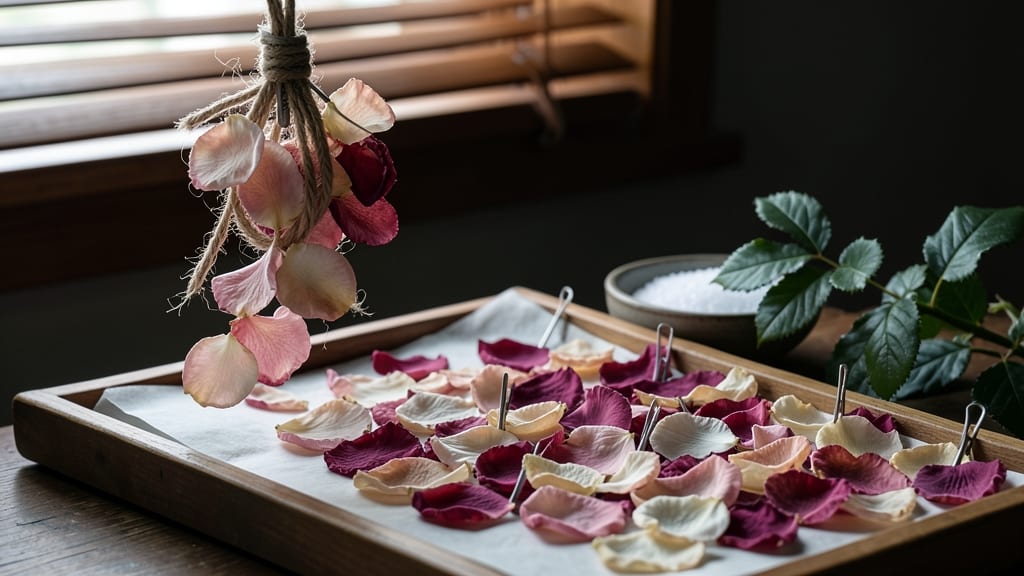
How to dry roses to keep their color feels like magic. 🌹 I've preserved hundreds of blooms—some faded to sad browns, others stayed vibrant for years—and the secret lies in timing, method, and a little patience. The right approach turns wilting stems into heirloom-quality keepsakes that still look fresh decades later.
First, pick roses at peak bloom when petals are fully open but still firm. Avoid overripe blooms (they bruise easily) and stems with leaves (they draw moisture). For color retention, air-drying in a dark, dry space works best—no harsh sunlight or humidity.
Silica gel speeds things up but requires careful monitoring, while the microwave method (yes, really) gives instant results with minimal fading.
What you end up with are roses that hold their original hue—deep reds stay red, soft pinks remain soft. The petals stay crisp, not brittle, and the scent lingers faintly for months.
Perfect for framing, potpourri, or simply admiring on your desk. Here's how to do it without the guesswork.
Fair warning: humidity is the silent color-killer. If your roses start wilting mid-process, you're fighting lost time. The right method and prep make all the difference between a sad, faded mess and a stunning, long-lasting keepsake. Let's get started with the foolproof approach.
📚 In This Guide
- What you need
- Instructions
- Tips and common mistakes
- Wrapping up and next steps
What you need
- ● Fresh roses – Choose fully bloomed, healthy roses with vibrant colors (avoid wilted or pesticide-treated ones). Quantity: 1-10 stems, depending on your project.
- ● Sharp scissors or pruning shears – For clean cuts at a 45-degree angle (about 2 inches from the base).
- ● Water – A bowl or vase to hydrate stems before drying (room-temperature preferred).
- ● Drying method supplies (pick one): Air-drying: A dry, dark, well-ventilated space (e.g., closet, pantry, or drying rack).
- ● Silica gel: Fine silica gel crystals (food-grade, 1-2 pounds per batch).
- ● Baking method: An oven-safe tray and parchment paper.
- ● Microwave method: A microwave-safe plate and paper towels.
- ○ Glue or floral wire – To secure stems or petals during drying (optional but helpful for complex blooms).
- ● Spray bottle with water – For occasional misting during air-drying (keeps petals hydrated).
- ● White vinegar or bleach – 1 part to 9 parts water (for sterilizing vases or tools).
- ● Desiccant packets – To absorb excess moisture in air-drying setups.
- ● Hairspray or clear sealant – For a final protective coat after drying (preserves color longer!).
- ● Labeling tags – To track drying dates or varieties.
Step-by-Step instructions for preserving rose color in dried blooms
Here's how I keep roses vibrant after drying—no fading, no wilting, just rich color locked in forever.
🌿 Step 1: Select and Prepare Your Roses
Pick roses at their peak—buds just beginning to open preserve the most vivid colors. Cut stems at a 45-degree angle to maximize water uptake, then immediately place them in a bucket of lukewarm water for 24 hours. This hydrates the petals thoroughly, preventing them from drying too quickly or developing brown edges.
Remove any leaves or thorns that would touch the drying surface. I like to work with 4-6 roses at a time—too many crowd the drying process and trap moisture. The key here is freshness: if petals feel slightly crisp when you handle them, they're ready. If they're still supple, give them another 12 hours in water.
💧 Step 2: Choose Your Drying Method
For maximum color retention, I use the sand method—it's foolproof and works for all rose varieties. Fill a shallow container with dry, fine-grain sand (like play sand) and heat it in the oven at 200°F for 30 minutes to sterilize. Let it cool completely before proceeding.
Here's the thing—don't skip the sterilization. Unsterilized sand can introduce mold, and mold will turn your beautiful roses into a sad, fuzzy mess overnight. Once cooled, arrange roses petal-side down in the sand, spacing them 1-2 inches apart. Press gently to ensure full contact with the sand.
⏰ Step 3: Dry Slowly for Vibrant Results
Cover the container with a breathable cloth (like cheesecloth) and place it in a dark, dry spot with consistent temperature—70-75°F is ideal. Check daily: roses need 2-4 weeks to dry completely, depending on humidity. You'll know they're ready when petals lift easily from the sand without crumbling.
Resist the urge to rush drying with heat. Too much warmth causes petals to bleach out or turn brittle. If your home stays humid, add a desiccant packet to the container. Watch for condensation on the cloth—this means moisture is still escaping, and you need to extend drying time by another 3-5 days.
☀️ Step 4: Preserve Color with a Final Treatment
Once fully dry, remove roses from the sand and brush off any remaining granules. To lock in color, place them in a sealed container with silica gel packets for 24 hours. This absorbs any lingering moisture that could cause fading over time. I like to store them in acid-free tissue paper inside small boxes.
Here's my secret for extra vibrancy: spray roses lightly with 100% pure glycerin (diluted 1:1 with distilled water) before sealing. This keeps petals pliable and prevents them from turning crispy. Avoid direct sunlight after drying—UV rays will fade colors within weeks. Store in a cool, dark place for long-term preservation.
✂️ Step 5: Display and Maintain Your Dried Roses
Handle dried roses gently—they're delicate but will last years if cared for properly. Arrange them in shadow boxes or hang them with acid-free wire to prevent yellowing. If petals start to darken at the edges, place them back in the silica gel for another 12 hours to reabsorb moisture.
Real talk: dried roses aren't indestructible. Avoid touching them frequently, and never expose them to high humidity (like bathrooms or kitchens). With this method, your roses will stay as vibrant as the day you picked them—no bleaching, no browning, just pure color preserved naturally.
Tips & tricks for preserving rose color in dried blooms
These simple strategies will help you keep your roses looking as fresh as the day you picked them.
Selection Matters: The 24-hour hydration step in Step 1 is crucial—it ensures petals are fully plump before drying. If you're working with roses that feel slightly crisp after cutting, give them the full 24 hours. For extra supple petals, extend the hydration to 36 hours (optional), but don't exceed this—over-hydration can cause petals to split during drying.
Sand Sterilization Secret: When sterilizing your sand at 200°F for 30 minutes in Step 2, make sure it's completely cooled before placing roses in it. I test this by touching the sand—it should feel warm but not hot to the touch. Hot sand can scorch petals and cause discoloration before drying even begins.
Humidity Watch: During the 2-4 week drying period in Step 3, condensation on the breathable cloth is your enemy. If you notice moisture, extend drying time by 3-5 days and add a desiccant packet. I keep my drying container on a tray to catch any accidental drips—this prevents mold from forming underneath.
Color Locking Technique: The 24-hour silica gel treatment in Step 4 is where the magic happens for long-term color preservation. Place roses in a single layer—stacking them can trap moisture and lead to fading. For an extra boost, I add a few drops of lemon juice to the glycerin spray before sealing; the acidity helps stabilize colors in darker rose varieties.
Pro Tips for Dry Roses To Keep Their Color
- These simple strategies will help you keep your roses looking as fresh as the day you picked them.
- Selection Matters: The 24-hour hydration step in Step 1 is crucial—it ensures petals are fully plump before drying.
- Sand Sterilization Secret: When sterilizing your sand at 200°F for 30 minutes in Step 2, make sure it's completely cooled before placing roses in it.
Frequently asked questions
Got questions about drying roses while keeping their stunning color? You’re not alone!
Here are answers to the most common queries—so you can preserve those petals like a pro.
How long does it take to dry roses and keep their color?
Drying time varies by method, but most roses take 1–3 weeks to fully dry while retaining color. Air-drying (hanging upside down) is the slowest but gentlest, while silica gel or microwave methods speed it up to 24–48 hours. Patience is key—rush it, and colors may fade!
Can I speed up the drying process without losing color?
Yes! For faster drying, try these tricks:
- Silica gel: Submerge stems in dried beads for 24–48 hours—colors stay vibrant.
- Microwave: Use low power (20%–30%) for 1–2 minutes (test a single rose first!).
- Dehydrator: Set to 95°F (35°C) for 3–6 hours.
What if my dried roses turn brown or lose color?
Brown or faded roses usually mean moisture, oxidation, or heat damage. Fix it by:
- Re-drying gently in a cool, dark place (like a paper bag with silica gel).
- Using white vinegar (1 tbsp per quart of water) as a rinse before drying to brighten colors.
- Avoiding direct sunlight—UV rays fade petals faster.
Can I dry roses without silica gel or special equipment?
Try these no-fuss methods:
- Air-drying: Hang stems upside down in a cool, dark, dry place (like a closet) for 2–3 weeks.
- Book drying: Place roses between heavy books for 1–2 weeks (great for flat arrangements!).
- Baking soda: Sprinkle a little on petals before drying to neutralize acids that cause fading.
How do I store dried roses so they stay colorful for years?
Store your dried roses in a cool, dark, dry place (like a sealed container with silica gel packets or rice to absorb moisture). Avoid plastic—it traps humidity. For extra protection:
- Wrap stems in acid-free tissue paper before storing.
- Label with the date—most dried roses last 1–2 years if stored properly.
- Keep them away from sunlight to prevent color bleeding.
Wrapping up and next steps
Drying roses while preserving their stunning color is simpler than you think—just follow the right techniques! With the right materials, gentle handling, and a little patience, you can transform fresh blooms into lasting keepsakes that stay as vibrant as the day you picked them. 🌸✨
Now that you’re ready to preserve those cherished roses, why not try your hand at crafting? Turn your dried blooms into framed art, potpourri, or even elegant wreaths. The possibilities are endless—get creative and let your preserved roses tell a story!