
Pests
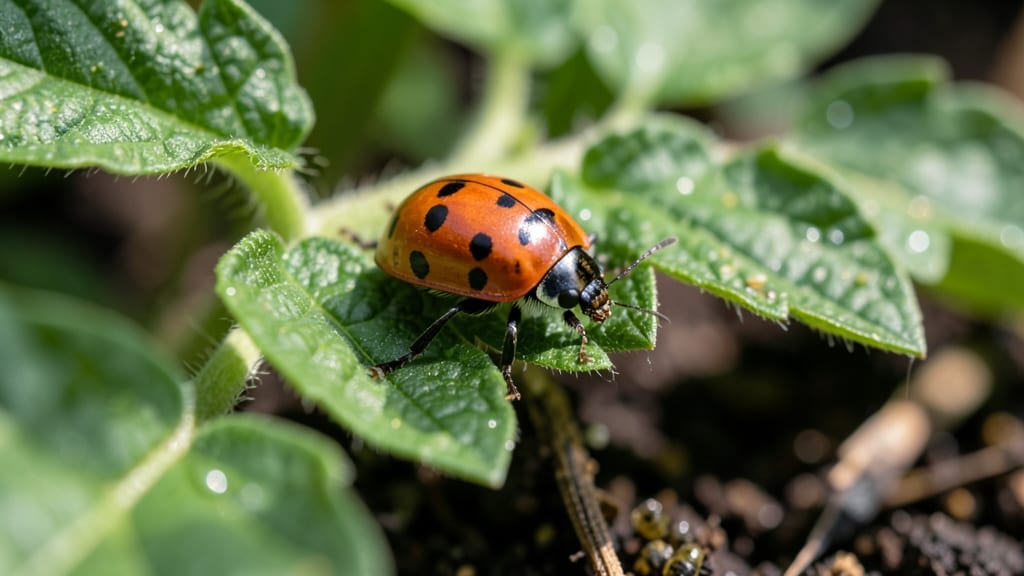
How to get rid of bugs on vegetable plants—nothing ruins a garden faster than a sudden invasion. 🌱 I’ve lost entire tomato harvests to hornworms and watched cabbage turn into lace from cabbage moths—until I discovered this boiling water trick that stops larvae in their tracks.
The secret isn’t complicated: a simple barrier of boiling water poured around plant stems smothers hidden eggs and young caterpillars before they can damage leaves. It’s fast, chemical-free, and works on aphids, squash bugs, and even those pesky Japanese beetles. No harsh sprays, just heat and precision.
You’ll see results in minutes—wilting pests drop to the ground, and new growth stays untouched. The best part? It’s safe for your plants, soil, and even pollinators once cooled. Just be ready to act quickly when you spot the first signs of trouble.
Works for any vegetable garden, from raised beds to containers, and pairs perfectly with companion planting for long-term protection. Let’s tackle this before your zucchini turns into a buffet for bugs.
Root Causes of Garden Pests
Bugs don’t just randomly appear on your vegetable plants—they’re drawn by specific conditions that make your garden an all-you-can-eat buffet. Understanding why these pests show up is the first step to stopping them before they cause damage. Let’s break down the science behind their invasion.
Healthy plants are naturally resistant to pests, but when they’re stressed, bugs take advantage. Overcrowding forces plants to compete for nutrients, water, and sunlight, weakening their defenses. Common triggers:
- Poor soil quality: Compacted, nutrient-deficient, or waterlogged soil starves roots, making plants vulnerable. Example: Cabbage worms target stunted brassicas because their weakened leaves are easier to chew.
- Excessive moisture: Fungal diseases (like powdery mildew) thrive in damp conditions, attracting sap-sucking pests like aphids and whiteflies. Science note: Aphids release honeydew—a sticky byproduct—that lures ants, creating a pest partnership.
- Nutrient imbalances: Too much nitrogen (common in synthetic fertilizers) produces soft, tender growth that aphids and flea beetles adore. Fix: Balance with potassium and phosphorus for stronger cell walls.
Pro tip: 💡 Thin seedlings early to improve airflow and reduce stress. Aphids and mites hate dry, well-ventilated plants!
Not all veggies are equally appealing to pests—some are like a neon "EAT ME" sign. Bugs are drawn to plants with:
- Sweet sap: Aphids and whiteflies love plants like squash, melons, and cucumbers because their high sugar content is a quick energy source. Science fact: These pests inject enzymes to break down plant cells, then suck up the nutrient-rich sap.
- Soft leaves: Lettuce, spinach, and basil have delicate foliage that’s easy for slugs, cutworms, and flea beetles to munch. Example: Flea beetles skeletonize young tomato leaves in minutes.
- Strong scents: Herbs like dill, cilantro, and fennel attract beneficial insects (like ladybugs) but also their predators, such as spider mites and leaf miners.
Pro tip: ✨ Plant repellent companions—like marigolds (which emit alpha-terthienyl, a natural pest deterrent) or basil (which confuses whiteflies)—to mask the scent of your veggies.
In a balanced ecosystem, bugs keep each other in check. But if your garden lacks diversity, pests multiply unchecked. Why this happens:
- Monoculture planting: Growing rows of the same crop (e.g., all tomatoes) creates a pest buffet with no predators in sight. Example: Hornworms devour entire tomato plants when there are no parasitic wasps to lay eggs in their bodies.
- Pesticide overuse: Chemical sprays kill both pests and their natural enemies (like lacewings, ground beetles, and birds). Science note: Studies show gardens treated with neonicotinoids lose up to 75% of beneficial insect populations.
- Habitat loss: Without flowering plants, pollinators (and their bug-eating cousins) won’t visit. Fix: Add clover, alyssum, or yarrow to attract hoverflies, which eat hundreds of aphids per day.
Pro tip: 🌡️ Install a bug hotel (a pile of sticks, pinecones, and bamboo) to shelter ladybugs and predatory beetles during winter.
Bugs are opportunists—they time their attacks based on weather patterns and plant life cycles. Key culprits:
- Warm, dry spells: Spider mites thrive in hot, arid conditions because their bodies dry out less quickly. Example: In 2022, drought-stricken California gardens saw a 400% increase in mite infestations.
- Sudden rain: Soft-bodied pests like slugs and cutworms emerge after heavy downpours, feeding on newly softened leaves. Science fact: Slugs use mucus to glide, and moisture keeps their trails slippery for predators.
- Late-season harvests: Overripe or damaged fruits (like tomatoes) attract fruit flies and hornworms, which lay eggs in decaying tissue. Fix: Pick veggies promptly—don’t let them rot on the vine!
Pro tip: 🎯 Use row covers in early spring to block migrating pests (like cabbage butterflies) before they lay eggs.
Now that you know why bugs crash your garden party, the next step is smart, science-backed strategies to kick them out—for good.
How to solve it
Once you’ve identified the culprits munching on your veggies, it’s time to act! Here’s a breakdown of targeted solutions for the most common pests, paired with prevention tips to keep your garden thriving. Remember: early intervention is key—don’t wait until your plants look like a buffet for bugs! 🚨
🐛 Aphids: Tiny Menaces with Big Appetites
These sap-sucking pests cluster on new growth, leaving behind sticky residue (yep, that’s honeydew). Here’s how to kick them to the curb:
- 🔥 Blast them off: Use a strong stream of water from your hose to dislodge them. Do this in the early morning so plants dry quickly.
- 🍳 Soapy water spray: Mix 1 tablespoon of mild dish soap (like Castile) with 1 quart of water. Spray directly on aphids—avoid overdoing it, as soap can harm plants.
- 👨🍳 Introduce predators: Ladybugs, lacewings, and parasitic wasps (like Aphidius colemani) love aphids. Buy them online or attract them with nectar-rich flowers.
Prevention tip: 💡 Plant garlic, chives, or mint nearby—aphids dislike their strong scent!
🥬 Cabbage Worms: Chewing Through Your Greens
These green caterpillars devour leaves and can strip a plant bare in days. Act fast with these methods:
- 🔪 Handpick them: Check undersides of leaves daily. Drop them into soapy water—it’s gross but effective!
- 🌡️ Boiling water barrier: Pour boiling water around the base of plants (like in your article!) to smother larvae hiding in the soil. Pro tip: Use a small funnel or spout to avoid scorching roots.
- 🎯 Bt spray (Bacillus thuringiensis): This organic bacteria kills caterpillars but is safe for humans and pets. Reapply after rain.
Prevention tip: 🌱 Use floating row covers early in the season to block moths (their parents) from laying eggs.
🍅 Hornworms: The Overnight Leaf Destroyers
These striped giants can defoliate a tomato or pepper plant in a single night. Here’s how to stop them:
- 👨🍳 Hunt them manually: Check plants at dusk—they’re most active then. Drop them in soapy water or relocate them far from your garden.
- 🥘 Encourage wasps: Braconid wasps lay eggs in hornworms, and their larvae eat the caterpillar from the inside out. Gross but natural!
- 🔪 Neem oil spray: Mix 2 tablespoons of neem oil with 1 teaspoon of mild soap and 1 quart of water. Spray every 5–7 days.
Prevention tip: ✨ Plant basil near tomatoes—hornworms avoid it!
🪰 Slugs and Snails: The Slimy Nighttime Bandits
These nocturnal nuisances leave silvery trails and irregular holes in leaves. Try these tricks:
- 🥘 Beer traps: Bury a shallow container filled with beer near plants. Slugs crawl in and drown—easy cleanup!
- 🔪 Copper barriers: Wrap copper tape around pots or garden beds. The slight electric charge repels slugs.
- 🌡️ Diatomaceous earth: Sprinkle food-grade DE around plants. It’s non-toxic but deadly to slugs—just reapply after rain.
Prevention tip: 🌱 Mulch with sharp materials like crushed eggshells or gravel to deter slugs from hiding.
🐜 Spider Mites: The Tiny Web Weavers
These microscopic pests thrive in dry heat, sucking juices and causing stippled leaves. Fight back with:
- 🔥 Spray with water: A strong jet of water can knock them off plants. Do this every 2–3 days.
- 🍳 Neem oil or horticultural oil: Mix 1 tablespoon of oil with 1 quart of water and spray undersides of leaves.
- 👨🍳 Release predatory mites: Phytoseiulus persimilis mites eat spider mites. Buy them online and release them in the evening.
Prevention tip: 💡 Keep your garden moist—spider mites hate humidity!
🌱 General Prevention Tips for a Pest-Free Garden
An ounce of prevention is worth a pound of cure. Try these pro tips to keep bugs away:
- 🌿 Rotate crops annually to disrupt pest life cycles.
- 🌱 Plant companion plants like marigolds, nasturtiums, or basil to repel pests.
- 🌡️ Maintain garden hygiene: Remove debris, weeds, and fallen leaves where pests hide.
- 🔄 Use row covers early in the season to block adult pests from laying eggs.
- 💪 Strengthen plants: Healthy plants resist pests better. Use compost, balanced fertilizer, and proper watering.
Frequently asked questions
Can I use boiling water on all vegetable plants?
Most vegetables tolerate boiling water well, but avoid delicate plants like lettuce or spinach. Focus on plants with sturdy stems like tomatoes, peppers, and brassicas. For container plants, pour carefully to avoid scorching roots—keep the water at least 2 inches away from the base.
How often should I check for pests?
Inspect your plants 2-3 times per week, especially after rain or when new growth appears. Early detection is key—caterpillars and aphids multiply quickly! Check undersides of leaves and stems where pests hide.
Will boiling water harm beneficial insects?
Yes, it can kill helpful insects like ladybugs and bees. Use this method only when pests are active, and avoid spraying during flowering times. For long-term protection, combine boiling water with companion planting (like marigolds) to attract beneficial predators.
What if the bugs keep coming back?
Persistent pests often mean hidden eggs or larvae. Try rotating methods: use boiling water one week, then neem oil the next. For severe infestations, consider floating row covers or introducing natural predators like parasitic wasps.
Can I reuse the boiling water?
No, never reuse it—it contains dissolved plant debris and dead pests that could spread disease. Always use fresh, hot water for each treatment. Cool the water first to avoid shocking the soil.