
Pests
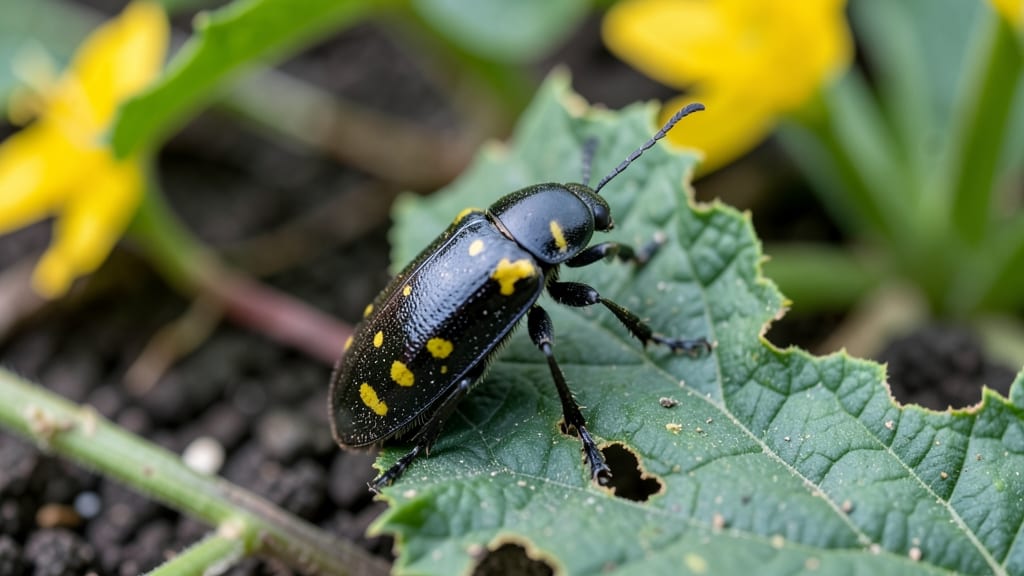
How to get rid of the spotted cucumber beetle—these sneaky pests are the silent destroyers of cucurbit gardens. 🌱 I’ve lost entire squash plants to them—until I discovered this neem oil trap that actually works. The key isn’t just spraying; it’s luring them into a sticky death trap while protecting your plants from further damage.
Most gardeners reach for pesticides first, but that’s like calling in the cavalry when a single scout would do. Neem oil disrupts their feeding and reproduction, while the trap—made from a simple bucket and soapy water—catches them before they lay eggs.
You’ll see results within 3-5 days of setting it up.
By the time your cucumbers start vining, these beetles will be history. No more skeletonized leaves or wilted vines—just healthy, thriving plants. The best part? This method works for zucchini, pumpkins, and melons too.
Fair warning: If you wait until the beetles are already chewing, you’re fighting a losing battle. Start this trap before they arrive—usually when your plants hit 4-6 inches tall. Trust me, your harvest will thank you.
Root Causes of Beetle Infestations
Spotted cucumber beetles (Acalymma vittatum) aren’t just random visitors—they’re drawn to your garden like a buffet call. Understanding why these pests show up is the first step to outsmarting them. These beetles thrive in environments where their survival needs align perfectly with what your garden offers.
Let’s break down the science behind their attraction and how your plants might be sending out an open invitation.
Spotted cucumber beetles are polyphagous (a fancy term for "they eat everything"), but they have a special love for plants in the Cucurbitaceae family—think cucumbers, squash, melons, and pumpkins. Here’s why your garden is their favorite hangout:
- Scent Signals: These beetles rely on volatile organic compounds (VOCs) released by cucurbit plants. When you plant cucumbers or squash, their leaves emit cucurbitacin and other chemicals that act like a dinner bell. Beetles can detect these scents from up to 3 miles away—yes, really!
- Soft, Tender Leaves: Young, tender plant leaves are a beetle delicacy. They lack the tough waxy coating of mature leaves, making them easier to chew and digest. This is why seedlings and new growth are prime targets.
- Flower Nectar: Beetles aren’t just munching machines—they’re also nectar thieves. The flowers of cucurbit plants provide them with sugar-rich meals between destructive feeding sessions.
Pro Tip: 💡 If you’ve noticed beetles before your plants even sprout, they might be drawn to weeds like wild cucumbers or buffalo gourd nearby. These "volunteer plants" can act as beetle magnets, luring them away from your prized crops.
Spotted cucumber beetles are warm-weather lovers. They’re most active when temperatures hover between 70°F and 90°F (21°C–32°C), which is why they’re a common nuisance in southern and midwestern U.S. gardens. Here’s how climate plays a role:
- Overwintering Habits: These beetles survive winter as adults in leaf litter, mulch, or garden debris. When spring arrives and soil temperatures rise, they emerge hungry and ready to reproduce.
- Faster Plant Growth = More Food: Warm weather speeds up the growth of cucurbit plants, which means more tender leaves and flowers for beetles to devour. It’s a feedback loop: faster growth = more beetle activity.
- Drought Stress Weakens Plants: While beetles love heat, drought-stressed plants are even more vulnerable. When plants struggle to retain moisture, their leaves become softer and more nutrient-rich, making them a beetle superfood.
Pro Tip: 🌡️ If you’re in a cooler climate, beetles may still show up late in the season as temperatures rise. Monitor your garden in early summer—that’s when they’re most aggressive.
Beetles aren’t just attracted to your plants—they’re also drawn to disorder. A messy garden provides them with shelter, moisture, and breeding grounds. Here’s how clutter becomes a beetle paradise:
| Problem | Why Beetles Love It |
|---|---|
| Leaf Litter and Debris | Beetles hide in shady, damp areas to avoid predators and extreme heat. Piles of leaves or old plant matter create the perfect microhabitat. |
| Unremoved Crop Residues | Last year’s wilted vines or dead plants can harbor overwintering beetles or their eggs. Even small pieces of plant material provide food and shelter. |
| Weeds in the Garden | Weeds like pigweed or smartweed host alternative food sources and may even attract beneficial insects that beetles prey on (like ladybugs). |
| Compost Piles Near Crops | While compost is great for soil, moist, decaying organic matter can become a beetle breeding ground if it’s too close to your cucurbit plants. |
Pro Tip: ✨ Rotate your crops and clean up garden debris in fall to starve out overwintering beetles. This breaks their life cycle before it even starts.
In a healthy garden, natural predators keep spotted cucumber beetle populations in check. But when these helpers disappear, beetles take over. Here’s what disrupts the balance:
- Overuse of Broad-Spectrum Pesticides: Chemicals like neonicotinoids or pyrethroids kill both pests and beneficial insects, including ladybugs, lacewings, and parasitic wasps that prey on beetle eggs and larvae.
- Monoculture Planting: Growing only cucumbers or squash in one area depletes local food sources for predator insects, making your garden a beetle-free zone impossible.
- Lack of Diversity: Gardens with only a few plant species offer less habitat for predators. A polyculture approach (mixing flowers, herbs, and veggies) supports a balanced ecosystem.
Pro Tip: 🌿 Plant companion flowers like marigolds, dill, or fennel to attract predatory insects. Even a small patch of native wildflowers can make a difference!
Beat Back Spotted Cucumber Beetles
Now that you know why these striped invaders target your garden, it’s time to take action! The good news? You don’t need harsh chemicals to reclaim your cucumbers, squash, and melons.
Below, we’ve mapped out practical, effective solutions tailored to the root causes of infestations—from early intervention to long-term prevention. Let’s roll up our sleeves and show those beetles the door! 🚪💨
If you catch the problem early, you can nip it in the bud before beetles lay eggs or chew through your plants.
🔍 Scout and Remove Adult Beetles
- When to act: Morning or evening (beetles are sluggish in cooler temps).
- How to do it:
- Shake plants gently over a bucket of soapy water 🚿💦 (1 tbsp dish soap per gallon).
- Use a drop cloth or tray under plants to spot and squish beetles on sight.
- Pro tip: 💡 Check the undersides of leaves—that’s where they hide!
🌱 Trap Crops: Sacrifice a Plant to Save the Rest
- Why it works: Beetles love certain plants more than others (like radishes or nasturtiums).
- How to set it up:
- Plant a trap crop 10–15 feet away from your veggies.
- Once beetles swarm it, remove and destroy the plant (don’t compost it!).
- Repeat as needed—this buys time for your main crops.
🍯 DIY Beer Traps (Yes, Really!)
- Why it works: Beetles are attracted to fermenting sugars and will drown in the mix.
- How to make it:
- Bury a plastic cup (rim even with soil) and fill with beer or a sugar-water mix (1 tbsp sugar + 1 tbsp yeast per cup of water).
- Check traps daily and refresh the liquid every 2–3 days.
- Bonus: 🌡️ Place traps near rows of cucurbits for maximum effectiveness.
If beetles have already moved in, focus on shielding your plants and disrupting their life cycle.
🧴 Neem Oil Spray: The Ultimate Repellent
(Since this is your featured solution, let’s dive deeper!)
- Why it works: Neem oil smothers adult beetles, deters egg-laying, and disrupts larval development.
- How to apply:
- Mix 2 tbsp neem oil + 1 tsp mild soap per quart of water.
- Spray early morning or late evening (avoid direct sun—it can burn leaves).
- Reapply every 5–7 days or after rain.
- Pro tip: ✨ Add a few drops of garlic oil to boost repellent power!
🧢 Row Covers: The Invisible Shield
- Why it works: Lightweight floating row covers (made of polyester or Agribon) block beetles while allowing sunlight and water through.
- How to use:
- Install covers before beetles arrive (early spring).
- Secure edges with soil or bricks to prevent beetles from crawling underneath.
- Remove covers when plants flower (to allow pollination), but reapply after harvest if beetles return.
🪲 Beneficial Insects: Let Nature Do the Work
- Best allies:
- Lady beetles (ladybugs) 🐞 – Eat cucumber beetle eggs and larvae.
- Ground beetles 🪲 – Hunt larvae in the soil.
- Parasitic wasps – Target beetle eggs.
- How to attract them:
- Plant dill, fennel, or cilantro nearby (they love these herbs).
- Avoid pesticides—they’ll kill your helpers too!
If your plants are already stripped, wilted, or infected with bacterial wilt, focus on limiting spread and reviving what’s left.
🌿 Prune and Destroy Infested Foliage
- Why it works: Removing chewed leaves starves larvae and prevents disease spread.
- How to do it:
- Cut off heavily damaged leaves (especially lower ones where eggs are laid).
- Bag and trash (don’t compost!) infested plant debris.
- Pro tip: 🔪 Sterilize pruners with rubbing alcohol between cuts to avoid cross-contamination.
💧 Water Wisely: Drown Larvae in the Soil
- Why it works: Cucumber beetle larvae thrive in moist soil—deep watering can drown them.
- How to do it:
- Flood irrigation (if possible) for 10–15 minutes to saturate the soil.
- Hand-water around the base of plants to encourage larvae to surface.
- Avoid overhead watering—it can spread bacterial wilt.
🌱 Replace Heavily Damaged Plants
- When to pull the plug:
- If >50% of leaves are gone or plants show yellowing/wilting (bacterial wilt).
- If beetles return year after year to the same spot.
- What to plant instead:
- Beetle-resistant varieties like:
- ‘Straight Eight’ cucumber (some tolerance).
- ‘Bush Champion’ squash (less appealing to beetles).
- Interplant with herbs like basil or thyme (their scent repels beetles).
- Beetle-resistant varieties like:
The best defense? Stopping them before they show up next season.
🗓️ Planting Schedule: Beat the Beetles to the Punch
- Delay planting: Start cucurbits 2–3 weeks later than usual (beetles emerge in late spring).
- Succession plant: Sow small batches every 2 weeks to avoid a full-scale invasion.
- Avoid nearby weeds: Beetles overwinter in wild cucurbits—pull them early!
🌱 Crop Rotation: Confuse Their Navigation
- Why it works: Beetles use chemical cues to find host plants—rotating crops disrupts their “map.”
- How to do it:
- Never plant cucumbers, squash, or melons in the same spot two years in a row.
- Rotate with beans, tomatoes, or brassicas (like kale).
🏡 Garden Hygiene: Remove Hiding Spots
- Fall cleanup:
- Till or solarize soil (cover with clear plastic for 4–6 weeks in summer to kill larvae).
- Remove plant debris (especially from last year’s crops).
- Spring prep:
- Mulch heavily with straw or grass clippings—beetles dislike crawling through thick layers.
🛡️ Barrier Methods: Physical Blockades
- Copper tape: Wrap copper tape around plant stems—beetles get a mild shock and avoid it.
- Diatomaceous earth (DE): Sprinkle food-grade DE around plant bases (reapply after rain). ⚠️ Avoid touching leaves—it can harm plants!
- 🌞 Time your sprays: Apply neem oil or insecticidal soap in the evening—beetles are less active and less likely to fly away.
- 🔄 Rotate methods: Beetles can build resistance—switch between neem, row covers, and traps to stay ahead.
- 👀 Monitor daily: Check plants every 2–3 days in peak beetle season (May–July).
- 📅 Mark your calendar: Start preventive measures in early spring—don’t wait until you see damage!
By combining early action, protective barriers, and smart gardening habits, you’ll send spotted cucumber beetles packing—for good. Your cucumbers, squash, and melons will thank you with bigger, healthier harvests all season long! 🥒🎉
Frequently asked questions
Why do spotted cucumber beetles target my cucumber plants specifically?
These beetles have a chemical radar for cucurbit plants! They detect cucurbitacin compounds released by cucumbers, squash, and melons—even from up to 3 miles away. Young, tender leaves are their favorite snack because they lack the tough waxy coating of mature plants.
How long does it take for neem oil traps to work?
You’ll typically see results within 3-5 days of consistent application. Neem oil disrupts their feeding and reproduction immediately, while the trap (soapy water bucket) catches adults within 24-48 hours of setup. For maximum effect, combine both methods and reapply every 5-7 days.
Can I use regular dish soap to make the trap?
Yes! Use 1 tablespoon of mild dish soap per gallon of water in your trap bucket. The soap breaks the beetles' surface tension when they land, causing them to sink and drown. Avoid harsh detergents—they can harm beneficial insects and plants if they splash out.
What should I do if my plants already have bacterial wilt from beetles?
Unfortunately, there's no cure for bacterial wilt—remove and destroy infected plants immediately (don't compost!). For remaining healthy plants, use row covers and focus on preventive sprays like neem oil. Consider planting beetle-resistant varieties like 'Bush Champion' squash next season.
Will this method work for squash bugs too?
While similar in appearance, spotted cucumber beetles and squash bugs require different approaches. This neem oil trap works best for beetles, but for squash bugs, you'll need yellow sticky traps or kaolin clay. The key difference: beetles fly to plants while squash bugs crawl up stems.