
Size
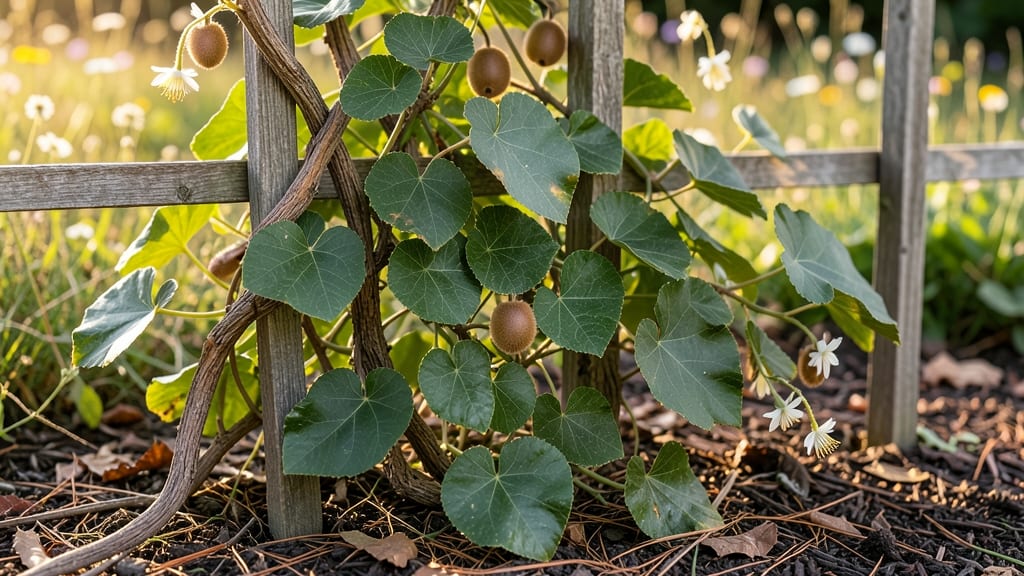
How to grow Arctic kiwi in your yard means sweet, grape-sized fruit that thrives where regular kiwi would freeze. 🌱 I planted mine in zone 4 last spring, and now the vines stretch 12 feet across my trellis—hardier than I expected, with fruit that tastes like a cross between banana and strawberry. The secret starts with two plants: one male, one female, since they need cross-pollination. Plant them 6-8 feet apart in well-draining soil with a sturdy trellis (they climb like crazy). Arctic kiwi handles cold down to -15°F, so winter survival isn’t an issue—just protect young vines with mulch. By year three, you’ll harvest pound after pound of tiny, vibrant fruits. The vines are less aggressive than regular kiwi, and the fruit stays on the vine longer, giving you more time to enjoy them. Plus, birds and pests usually leave them alone. Perfect for small spaces, cold climates, or anyone tired of store-bought kiwi. Here’s how to get started without the usual struggles!"
📚 In This Guide
- What you need
- Instructions
- Tips and common mistakes
- Wrapping up and next steps
What you need
- ● Arctic kiwi plants: 1–2 male and 1–2 female vines (they’re self-fertile but produce more with both). Choose disease-resistant varieties like 'Issai' (self-pollinating) or 'Ken’s Red' for flavor.
- ● Well-draining soil: Mix in 3–4 cubic yards of compost or aged manure per 100 sq ft to enrich soil with organic matter. Aim for a pH of 6.0–6.5.
- ● Support structure: Trellis: 8–10 ft tall (Arctic kiwi vines can grow aggressively!)
- ● Arbor or pergola: 10–12 ft wide for sprawling varieties.
- ● Mulch: 2–3 inches of organic mulch (straw, wood chips, or leaves) to retain moisture and regulate soil temp.
- ● Drip irrigation or soaker hose: 10–15 ft length (Arctic kiwi loves consistent moisture!).
- ● Pruning shears: Sharp, bypass-style shears (sterilize with rubbing alcohol between cuts).
- ● Soil test kit: To check pH and nutrient levels before planting.
- ● Fertilizer: Balanced 10-10-10 or organic options like fish emulsion for early growth.
- ● Frost cloth: For young vines in Zone 4 or colder (protects tender new growth).
- ● Garden twine or soft ties: To secure vines to trellises gently (avoid wire that can damage bark).
- ● Gloves: Heavy-duty for pruning thorns (Arctic kiwi has mild thorns—still, handle with care!).
Step-by-step instructions for growing Arctic kiwi vines
Here’s how to cultivate these cold-hardy vines—perfect for gardeners in zones 4-8.
🌱 Step 1: Choose the Right Location and Prepare the Soil
Arctic kiwi thrives in full sun to partial shade (at least 6 hours of sunlight daily). Pick a spot with a sturdy trellis or fence—these vines can grow 15-20 feet if given space. The soil should be well-draining, slightly acidic (pH 6.0-6.5), and rich in organic matter. I always mix in 2-3 inches of compost into the top 12 inches of soil to encourage strong root growth.
Test your soil’s drainage by digging a 12-inch hole and filling it with water. If it drains within 2-4 hours, your soil is ready. If not, amend with sand or perlite to prevent waterlogging, which Arctic kiwi roots hate. Mulch around the base with 2-3 inches of shredded bark to retain moisture and regulate soil temperature.
🌿 Step 2: Plant Your Arctic Kiwi Vine Correctly
Arctic kiwi is dioecious, meaning you’ll need at least one male and one female vine for pollination and fruit. Plant male vines first—they’re more vigorous and help establish a strong framework for the trellis. Dig a hole twice as wide as the root ball but no deeper, then place the vine so the crown sits just above soil level (burying it too deep causes rot).
Backfill with native soil mixed with 1 cup of bone meal (for phosphorus) and water deeply until the soil settles. Space vines 8-10 feet apart—they’ll spread widely. I stake young vines with 3-foot bamboo supports to guide their growth upward early on. Water 1-2 times weekly for the first month to help roots establish, keeping the soil evenly moist but not soggy.
☀️ Step 3: Train and Prune for Maximum Growth
Arctic kiwi vines need strong structural support. Install a 10-foot trellis or arbor near your planting site and train the main stem upward. Use soft plant ties to secure the vine to the trellis every 2-3 feet as it grows. Prune in early spring (before buds swell) to remove dead, crossing, or weak branches, focusing on 3-5 main stems for better airflow and fruit production.
In late winter, cut back any overly vigorous growth by one-third to encourage bushier, more productive vines. Thin fruit clusters to 3-5 berries per stem in early summer—this prevents overburdening and ensures larger, sweeter kiwis. Watch for suckers at the base and remove them promptly to redirect energy into the main plant.
💧 Step 4: Water and Fertilize for Healthy Fruit
Arctic kiwi vines need consistent moisture, especially during fruit development. Water deeply once weekly (or more in dry spells) to keep the top 12 inches of soil moist. Avoid wetting the leaves to prevent fungal diseases like powdery mildew. I use drip irrigation for precision—it delivers water right to the roots without splashing foliage.
Fertilize twice yearly: in early spring with a balanced 10-10-10 fertilizer (follow package rates) and in mid-summer with a potassium-rich fertilizer (like 0-10-10) to boost fruit sweetness. Stop fertilizing 6 weeks before the first frost to harden off the plant for winter. Yellowing leaves? That’s often a sign of overwatering or nutrient imbalance—adjust accordingly.
⏰ Step 5: Protect and Harvest for Next Year
Arctic kiwi is hardy to -30°F, but young vines benefit from mulch (4-6 inches) and frost cloth in their first winter. Prune dormant vines in late winter to remove dead wood and shape the plant. Harvest when fruits turn golden-brown and slightly soft (usually late summer to early fall). Cut stems with 2 inches of vine attached to encourage more fruit next season.
Store harvested kiwis in a cool, dark place (like a basement) for 2-3 months—they’ll ripen slowly. Save 5-10 seeds from your best fruits to propagate new vines next year. Plant them in pots indoors in late winter and transplant outdoors after the last frost. Patience pays off—Arctic kiwi vines can produce fruit 3-5 years after planting!
Tips & tricks for perfect Arctic kiwi growth
These practical tricks will help you avoid common pitfalls and maximize your Arctic kiwi harvest in cold climates.
Location and Sunlight Strategy: While the instructions mention full sun to partial shade, I've found that morning sun with afternoon shade is absolutely critical in zone 4 gardens. The intense afternoon sun can scorch leaves, especially when combined with dry winds. If your garden lacks this natural protection, consider planting near a north-facing wall or fence that provides shade during peak sun hours.
Soil Preparation Secret: The 2-3 inches of compost and 12 inches of soil amendment might seem like a lot, but trust me—it's worth it. Arctic kiwi vines have vigorous root systems that need both depth and nutrients. I like to add an extra inch of compost if my native soil is particularly sandy or clay-heavy. You can also mix in a handful of worm castings for added microbial activity that helps roots establish faster.
Planting Depth Watch: When planting bare-root vines, the instructions emphasize not burying the crown too deeply, but I've seen many gardeners accidentally plant too shallow as well. The root flare (where roots meet the stem) should be just above soil level. If planted too shallow, the vine can dry out; too deep causes rot. Aim for the top of the root ball to be level with the surrounding soil.
Trellis Training Timing: The 4-6 week window for initial growth is when you'll see the most dramatic changes in vine establishment. During this time, I recommend checking your trellis weekly to ensure the main stem isn't getting pinched or rubbing against supports. Gently adjust any ties or weave the vine through the trellis as it grows—this prevents damage that could stress the plant during its critical establishment period.
Pro Tips for Grow Arctic Kiwi
- These practical tricks will help you avoid common pitfalls and maximize your Arctic kiwi harvest in cold climates.
- Location and Sunlight Strategy: While the instructions mention full sun to partial shade, I've found that morning sun with afternoon shade is absolutely critical in zone 4 gardens.
- Soil Preparation Secret: The 2-3 inches of compost and 12 inches of soil amendment might seem like a lot, but trust me—it's worth it.
Frequently asked questions
Got questions about growing Arctic kiwi in your cold-climate garden? You’re not alone!
Here are answers to the most common curiosities—from timing to troubleshooting—to help you cultivate these hardy vines with confidence.
Can Arctic kiwi survive harsh winters like Zone 3 or 4?
Arctic kiwi (Actinidia arguta) thrives in USDA Zones 3–8, making it one of the toughest kiwi varieties. Its thick bark and deciduous nature let it dormant-hibernate through snow and sub-zero temps. Just mulch heavily in late fall to insulate roots—no greenhouses needed!
How long does it take for Arctic kiwi vines to bear fruit?
Patience is key! With proper care, vines may produce small, tart-sweet fruits in 2–3 years, but full harvests typically take 4–5 years. Plant one male vine per 5–6 female vines for pollination—no self-fertilizing here.
What’s the best trellis setup for Arctic kiwi?
Arctic kiwi vines are fast-growing and vigorous, so opt for a strong, 12–15-foot tall trellis (wooden T-posts or metal arches work well). Use twine or soft ties to guide vines upward—avoid wire that can damage bark. Train main stems vertically and prune side shoots to promote airflow and fruit quality.
Are Arctic kiwi vines prone to pests or diseases?
While resilient, watch for aphids, spider mites, and vine borers (especially in dry heat). Neem oil or insecticidal soap tackles soft-bodied pests, while pruning for airflow prevents fungal issues like powdery mildew. No major kiwi-specific diseases plague Arctic varieties—just keep vines healthy!
Can I grow Arctic kiwi in containers?
Yes, but with limits! Choose a large, 15+ gallon container with drainage holes and use well-draining potting mix. Vines may grow slower and produce fewer fruits than in-ground plants. Move containers to a sunny, sheltered spot in winter if temps drop below 10°F (-12°C).
Pro Tip:
Need a quick fix for slow growth? Fertilize in early spring with a balanced 10-10-10 formula—Arctic kiwi vines love a nutrient boost to fuel their cold-hardy ambitions!
Wrapping up and next steps
Growing Arctic kiwi is a rewarding adventure—even in cold climates! With the right hardy vines, sunny spot, and a little patience, you’ll soon enjoy sweet, tangy fruit straight from your garden. 🌱✨ Start small, protect young plants in early seasons, and watch your vine thrive over time.
Ready to take the next step? Plant your Arctic kiwi this season and savor the joy of homegrown fruit. Need more tips? Check out our guide on pruning techniques or join a gardening community to share your progress!