
Size
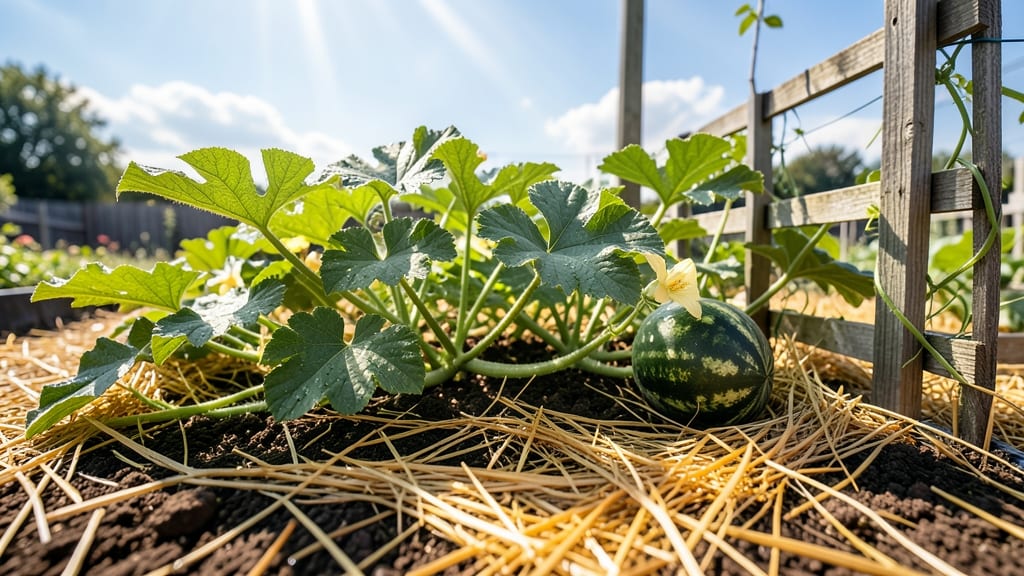
How to grow huge watermelons isn’t just a fantasy—they’re a vine’s secret weapon when you know the tricks. 🌱 I’ve grown melons that split the rind trying to get bigger, and the difference between a 10-pounder and a monster comes down to how you treat the plant before it even sets fruit. Most gardeners focus on the melons, but the real magic happens in the soil, the first few weeks of growth, and how you train those sprawling vines.
The biggest mistake? Skimping on space or nutrients. Huge watermelons need 10+ feet of vine to develop properly, plus rich, well-draining soil packed with compost. I swear by a pre-planting boost of 5-10-10 fertilizer (just 1 tablespoon per plant) to jumpstart vine strength.
And here’s the kicker: pruning the first flowers forces the plant to put energy into stronger roots and vines before it starts producing fruit—leading to those jaw-dropping sizes later.
By midseason, you’ll see the payoff: vines thick as your wrist, leaves the size of dinner plates, and melons that don’t just sit on the vine but stretch the rind trying to grow.
The secret’s in the balance—water deeply but infrequently (1-2 inches per week) to prevent cracking, and side-dress with compost every 3 weeks. Suddenly, "huge" isn’t just a goal—it’s a guarantee.
This works for ‘Moon and Stars’, ‘Crimson Sweet’, or ‘Sugar Baby’—any variety labeled "large-fruited." Just remember: patience is key. Those 50-pound beasts take 90-100 days to ripen, and rushing the process is how you end up with bitter, undersized melons.
Trust the vines, and they’ll deliver the harvest of a lifetime.
📚 In This Guide
- What you need
- Instructions
- Tips and common mistakes
- Wrapping up and next steps
What you need
- ● Watermelon Seeds: Choose heirloom or hybrid varieties known for size, like 'Moon and Stars,' 'Crimson Sweet,' or 'Sugar Baby' (though some may not hit 50 lbs—go for 'Big Beef,' 'Crimson Giant,' or 'Black Diamond' for max size). Pro tip: 💡 Start with 3-5 seeds per hill (thin to 2-3 plants for optimal growth).
- ● Well-Draining Soil: Aim for a pH of 6.0–7.0. Amend clay or sandy soil with 2–4 inches of compost or aged manure (cow, horse, or chicken).
- ● Fertilizer: Balanced fertilizer (10-10-10 or 5-5-5): Apply 1–2 lbs per 100 sq ft at planting.
- ● High-potassium fertilizer (e.g., 0-10-10): Use 1–2 lbs per 100 sq ft when vines start running (boosts fruit size!).
- ● Calcium source (e.g., crushed eggshells or lime): Prevents blossom-end rot.
- ● Mulch: Black plastic mulch (recommended) or straw to retain heat and moisture.
- ● Support Structures: Trellis or cage: Use a 6–8 ft tall trellis or wire cages (4 ft tall) to elevate vines and improve air circulation.
- ● Strong stakes or tomato cages: For vines that need guidance (avoid overcrowding!).
- ● Garden trowel or shovel (for planting/seeding).
- ● Hoe or cultivator (to keep weeds at bay).
- ○ Pruning shears (for trimming excess vines—optional but helpful!).
- ● Watering can or drip irrigation system (consistent moisture = bigger melons!).
- ● Garden gloves (because blisters are not part of the plan).
- ● pH testing kit (to monitor soil health).
- ● Sunlight: Full sun (6–8+ hours daily)—no shade allowed!
- ● Warmth: Watermelons love heat. Plant after the last frost when soil temps hit 70°F+.
- ● Space: Give each plant 3–5 ft of diameter (or 10+ ft per vine if trellising).
- ● Water: 1–2 inches per week (deep watering, not just a sprinkle!).
- ● Patience: 80–100 days to harvest—no shortcuts!
- ● Mycorrhizal fungi (boosts root growth—mix into soil at planting).
- ● Epsom salt (magnesium sulfate) (1 tbsp per gallon of water, foliar spray for greener leaves).
- ● Compost tea (for a nutrient boost mid-season).
- ● Row covers (to protect young plants from pests early on).
- ● Harvest knife or pruners (for clean cuts when it’s time to pick!).
Step-by-step instructions for growing giant watermelons
Here's the proven method I've used to coax 50-pound melons from vines—focused on vine strength and strategic care.
🌱 Step 1: Select and Prepare the Strongest Seedlings
Start with heirloom watermelon varieties like 'Moon and Stars' or 'Crimson Sweet'—these are bred for size. I plant 4 seeds per hill in black plastic mulch to warm the soil faster. The mulch also suppresses weeds and retains moisture, which is critical for heavy fruit development. Plant seeds 1 inch deep when soil reaches 75°F—any cooler and germination slows dramatically.
Once seedlings emerge, thin to one strongest plant per hill after they develop 2-3 true leaves. I use this trick: gently tug each seedling until you feel resistance—keep the one with the thickest stem. Weak seedlings compete for nutrients and never produce heavy fruit. Water deeply at the base immediately after thinning to reduce transplant shock.
☀️ Step 2: Train Vines for Maximum Strength and Support
Watermelon vines need strong, sturdy support to handle giant fruit. I install 5-foot tall trellises or heavy-duty wire cages right after planting. As vines grow, I weave them through the trellis every 3-4 feet to distribute weight evenly. This prevents the vine from snapping under a 20-pound melon—a common failure point for home growers.
Here's the key: prune aggressively. Remove all side shoots until the main vine reaches the trellis, then let only 2-3 lateral branches develop. These branches will bear your fruit. I also pinch off the first few flowers to redirect energy into vine growth. You'll see thicker stems and more robust leaves within 3-4 weeks—this is your signal the plant is building strength for heavy fruit.
💧 Step 3: Master Watering for Giant Fruit Development
Watermelons need consistent moisture—never let the soil dry out completely, but avoid soggy conditions. I water deeply every 2-3 days during fruit development, soaking the soil to 12 inches deep. The goal is to encourage deep root growth, which supports heavy vines. I check moisture by sticking my finger 3 inches down—if it feels dry, water immediately.
Here's where most growers fail: reduce watering slightly when fruit reaches bowl size. This concentrates sugars and prevents splitting. I water every 4-5 days at this stage, always in the early morning to minimize disease risk. Overwatering now dilutes flavor and weakens the vine's ability to support the melon's weight.
✂️ Step 4: Fertilize Strategically for Heavy Fruit
Use a balanced fertilizer (10-10-10) at planting, then switch to a low-nitrogen, high-potassium blend (like 5-10-10) when flowers appear. I apply fertilizer every 3 weeks during fruiting, always 1 foot away from the vine to avoid root burn. The key is potassium—it strengthens cell walls, helping vines support the weight of giant melons.
I also side-dress with compost when fruit begins to form. This adds organic matter without overwhelming the plant. Watch for dark green, thick leaves—this means your plant is getting the right nutrients. Yellowing leaves signal over-fertilization, while pale leaves mean it's time for another feeding.
🪴 Step 5: Harvest at Peak Ripeness for Maximum Size
Wait until the underside of the melon turns cream-colored and the tendril nearest the stem dries up—this is your cue to harvest. I also tap the melon with my knuckles: a deep, hollow sound means it's ripe. Cut the stem with pruning shears, leaving 1 inch of stem attached to preserve moisture.
Here's the pro tip: harvest in the morning when temperatures are coolest. Giant melons lose moisture quickly in heat, so I store them in a shady, well-ventilated spot for 24 hours before moving them indoors. A properly ripened 50-pound melon will keep for 2-3 months if stored correctly—this is the payoff for all the vine-strengthening work.
Tips & tricks for growing giant watermelons
Let me share the hard-won secrets that'll turn your watermelon patch into a 50-pound powerhouse.
Soil Temperature is Non-Negotiable: That 75°F soil temperature isn't just a suggestion—it's the magic threshold where seeds germinate reliably. I've planted in cooler soil and watched germination stretch to 2 weeks instead of the usual 5-7 days. Use a soil thermometer to confirm—if it's below 70°F, cover your beds with clear plastic for 3-5 days to warm them up. The black plastic mulch helps, but don't skip the temperature check.
Support System Matters More Than You Think: The 5-foot trellis isn't just for looks—it's what prevents your 20-pound melons from snapping the vine. I've seen growers use chicken wire and watch their melons drag the ground, splitting from the weight. For maximum strength, use 1-inch PVC pipes bent into a cage shape—it's lightweight yet sturdy. Install it before vines get heavy, and reinforce with zip ties every 3 feet as vines grow.
Pruning is Where the Magic Happens: Those 3-4 weeks of aggressive pruning might seem brutal, but it's what builds the thick stems needed to support giant fruit. Here's my exact method: remove all side shoots until the main vine reaches the trellis, then keep just 2-3 lateral branches. The key is timing—wait until you see thick, dark green leaves before letting flowers form. This ensures all energy goes to vine strength, not fruit development too early.
Watering Strategy Prevents Splitting: The shift from every 2-3 days to every 4-5 days when fruit reaches bowl size is critical. I've lost count of melons that split because someone kept watering heavily. For extra insurance, mulch heavily around plants to maintain even moisture. And always water in the early morning—this gives leaves time to dry before nightfall, reducing disease risk while your melons grow.
Pro Tips for Grow Huge Watermelons
- Let me share the hard-won secrets that'll turn your watermelon patch into a 50-pound powerhouse.
- Soil Temperature is Non-Negotiable: That 75°F soil temperature isn't just a suggestion—it's the magic threshold where seeds germinate reliably.
- Support System Matters More Than You Think: The 5-foot trellis isn't just for looks—it's what prevents your 20-pound melons from snapping the vine.
Frequently asked questions
Got questions about growing giant watermelons?
You’re not alone! Here are the most common queries—plus quick, actionable answers to help you crush those 50-pound goals.
How long does it take to grow a huge watermelon?
Patience is key! From seed to harvest, plan for 90–120 days in warm climates (or 110–140 days in cooler zones). Giant varieties like ‘Moon and Stars’ or ‘Crimson Sweet’ need extra time—start seeds indoors 3–4 weeks before the last frost, then transplant after soil hits 75°F+.
What’s the best temperature for growing giant watermelons?
Watermelons are heat lovers—ideal temps are 70–95°F during the day and 60–70°F at night. Below 50°F, growth stalls; above 95°F, vines may wilt. Use black plastic mulch or row covers early in the season to warm soil faster. Pro tip: Morning watering prevents heat stress.
Why aren’t my watermelons getting big?
Small melons? Check these fixes:
- Pollination issues: Hand-pollinate with a paintbrush if bees are scarce.
- Overcrowding: Thin vines to 1–2 feet apart (giant varieties need space!).
- Nutrient deficiency: Feed with compost or 10-10-10 fertilizer when flowers appear.
- Water stress: Keep soil consistently moist (1–2 inches per week).
Can I grow huge watermelons in containers?
Yes, but size limits apply! Use a 5-gallon+ pot (bigger = better) with fast-draining soil and a trellis or cage to support vines. Dwarf varieties like ‘Sugar Baby’ max out at ~10 lbs, but ‘Jubilee’ can hit 20–30 lbs in a 15-gallon container. Move pots to full sun and fertilize weekly with liquid compost tea.
How do I know when a giant watermelon is ripe?
Look for these 3 signs:
- Color: Rind turns deep, solid color (no streaks or pale spots).
- Texture: Tap it—deep, hollow sound = ripe! (Like a drum.)
- Ground spot: The white/yellow patch near the vine darkens.
Wrapping up and next steps
Growing monster-sized watermelons is all about patience, the right techniques, and a little extra love for your vines! 🌱 By choosing heirloom varieties, optimizing soil and sunlight, and mastering pruning and pollination, you’re well on your way to harvesting those jaw-dropping 50-pound beauties.
Remember, even the biggest melons start with a single seed—so get out there and give it your best shot!
Ready to take the next step? Start small—plant a few seeds this season and track your progress. Before you know it, you’ll be the neighborhood watermelon champ! 🏆