
Propagation
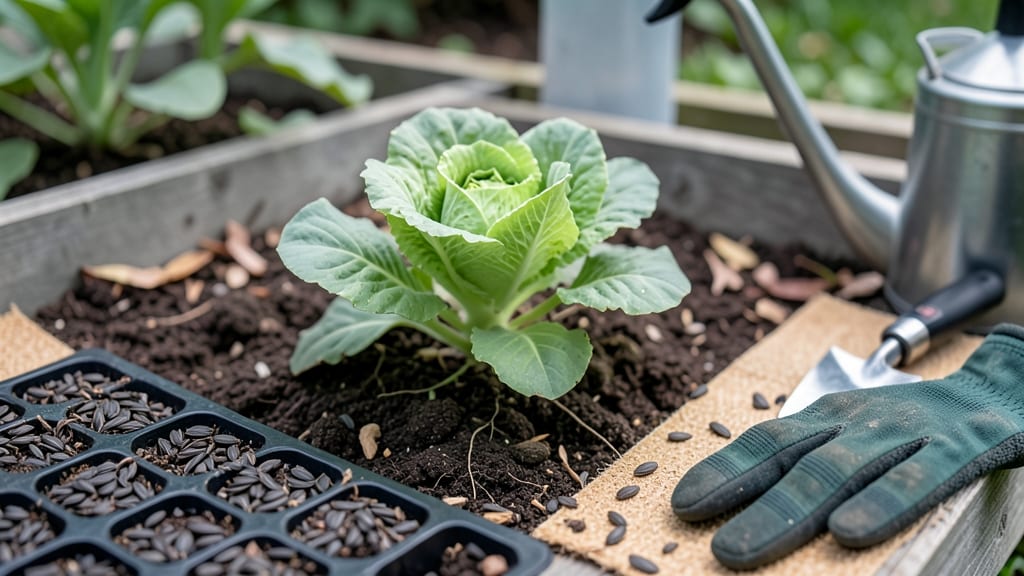
How to grow Iceberg lettuce from seed 🥬 might seem tricky, but with the right approach, you can enjoy crisp, satisfying heads in just 50 days. The key lies in timing—sowing seeds at the perfect moment in March-April or August-September sets you up for success, while avoiding common pitfalls like bolting or bitter flavors.
Many gardeners struggle with uneven growth or leggy seedlings, but it doesn’t have to be that way. I’ll walk you through the exact steps—from soil prep to spacing and watering—to help you grow Iceberg lettuce that’s as reliable as it is delicious. No more guesswork, just consistent, homegrown crunch.
What’s the secret? It’s all about precision—planting seeds at the right depth, keeping soil moist but not soggy, and giving them just enough sunlight to thrive. Whether you’re a beginner or a seasoned gardener, these pro tips will help you skip the mistakes and harvest perfect heads every time.
Ready to ditch store-bought lettuce and grow your own? Let’s get started with the foolproof method that’s worked for thousands of gardeners in USDA Zone 6a and beyond.


Step-by-step iceberg lettuce seed planting guide for maximum yield
Growing iceberg lettuce from seed starts with timing and soil prep. Unlike transplants, seeds need consistent moisture and cool temperatures (50–65°F) to sprout without bolting. I’ve learned the hard way that rushing this step leads to leggy seedlings or bitter-tasting heads—so let’s do this right.
First, choose a sunny spot with well-draining soil (pH 6.0–7.0). Iceberg lettuce hates soggy roots, so amend heavy clay with compost or sand if needed. For containers, use a lightweight potting mix with perlite to prevent compaction.
For fall harvests, sow seeds 6–8 weeks before your first frost date. In warm climates (Zones 8–10), plant in late summer for winter harvests. I’ve had success with shade cloth (30–50%) during hot afternoons to prevent bolting.
Bolting is your biggest enemy—it turns sweet lettuce bitter. To avoid it, avoid nitrogen-heavy fertilizers and water deeply in the morning. Mulch with straw to keep roots cool and soil moist.
Transplant seedlings when they’re 4–6 inches tall and soil temps are below 75°F. Space them 12–15 inches apart in rows 18 inches apart. Use a board or string to mark spacing—trust me, it saves headaches later!
After transplanting, water deeply once a week (1 inch total). Let the top inch of soil dry between waterings to prevent fungal diseases like downy mildew. A drip irrigation system keeps water off leaves, which is key for crisp heads.
In containers, use pots at least 12 inches deep and 18 inches wide per plant. Iceberg lettuce has shallow roots but needs room to form heads. Mix 50% potting soil with 50% compost for best results.
Watch for pests like aphids or slugs. Handpick aphids early, and set out beer traps for slugs. A neem oil spray (1 tsp per gallon of water) deters pests without harming beneficial insects.
With these steps, you’ll harvest crisp, sweet iceberg lettuce in just 50–60 days. The key? Patience and consistency—don’t rush the process, and your garden will reward you with perfect heads every time! 🥬
Pro tips to prevent bolting and ensure crisp iceberg lettuce heads
Iceberg lettuce bolts when stressed—heat, drought, or uneven watering triggers bitter flavors and flower stalks. To keep your heads crisp and sweet, focus on consistent moisture and moderate temperatures. Start by selecting bolt-resistant varieties like 'Salinas' or 'Imperial 44'—these handle heat better than standard types.
Your first line of defense is shade cloth. When daytime temps hit 80°F+, drape 30-50% shade cloth over seedlings to block excess heat. This mimics cooler spring conditions and delays bolting by 2-3 weeks. Pair this with mulch (straw or grass clippings) to keep soil temps stable.
Watering is critical—drought stress is the #1 cause of bolting. Aim for 1 inch of water every 2-3 days, always in the morning to let foliage dry before evening.
Use drip irrigation or soaker hoses to avoid wetting leaves, which prevents fungal diseases like downy mildew that weaken plants.
⚠️ Bolting Warning Signs
Watch for these red flags: tall stems shooting from the center, yellowing leaves, or bitter taste when tested. If you spot these, harvest immediately or pull the plant—bolted lettuce won’t recover.
Fertilizer choices matter too. Overfeeding with high-nitrogen fertilizer (like 10-10-10) can encourage rapid growth that bolts quickly. Instead, use a balanced organic option (like compost tea) every 4-6 weeks, and stop fertilizing 3 weeks before harvest to avoid bitterness.
For fall harvests, time your planting 6-8 weeks before frost. Cool nights (50-60°F) and shorter days naturally slow growth, reducing bolting risk. If your summer is scorching, try succession planting in partial shade—sow new seeds every 2 weeks for a continuous supply of crisp heads.
Finally, harvest at the right maturity. Wait until heads reach 4-6 inches wide and feel firm when gently squeezed. The outer leaves should still be vibrant green—if they yellow, the head’s already past its prime.
Use a sharp knife to cut just above the soil line for cleaner regrowth.