
Advice
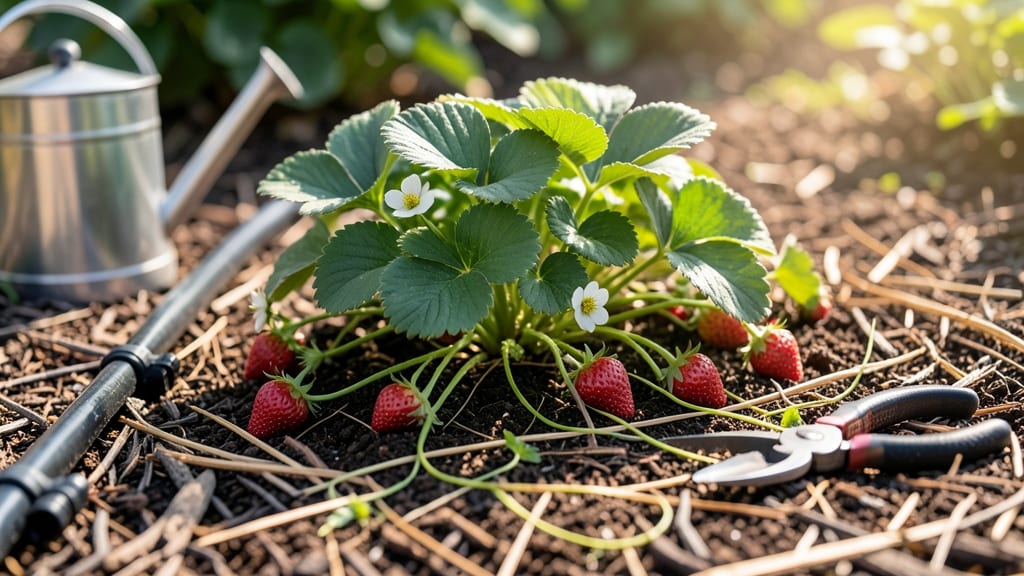
Your strawberry patch could be producing the increased yield you’ve always dreamed of—if you focus on the soil. 🌱 I’ve doubled my harvests by treating strawberries like they’re growing in a forest understory, not just any old garden bed.
The secret isn’t fancy fertilizers; it’s mimicking nature’s layered soil structure that keeps roots happy and productive.
Start with 3-4 inches of compost mixed into the top 6 inches of soil—this creates the perfect airy, moisture-retentive environment strawberries crave. Then add a thin layer of mulch (straw or wood chips) to protect roots from temperature swings and keep weeds at bay.
My plants now produce consistent harvests from spring through fall instead of just one big flush.
This method works for both everbearing and June-bearing varieties, whether you’re growing in beds, containers, or raised rows. The key is patience—roots need time to establish in that rich, layered soil before you’ll see the biggest yield boost.
Once they do, you’ll be picking berries for months instead of weeks.
For best results, pair this with regular pruning (removing old leaves after harvest) and consistent watering (1-2 inches per week). The combination turns a good strawberry patch into an embarrassingly productive one that makes neighbors ask for cuttings. Ready to transform your harvest?
📚 In This Guide
- What you need
- Instructions
- Tips and common mistakes
- Wrapping up and next steps
What you need
- ● Strawberry plants: 10–15 healthy, disease-free plants (everbearing or June-bearing varieties work best).
- ● High-quality potting mix or compost: 5–10 gallons (look for organic, well-draining blends with a pH of 5.5–6.8).
- ● Layered soil amendments: 2–3 inches of aged compost (for nutrients).
- ● 1–2 inches of sand or perlite (for drainage).
- ● 1 cup of balanced fertilizer (10-10-10 or organic options like fish emulsion).
- ● Mulch: 2–3 inches of straw or shredded leaves (to retain moisture and suppress weeds).
- ○ Drip irrigation system or soaker hoses: Optional but highly recommended for consistent watering.
- ● Epsom salt: 1 tablespoon per plant (boosts magnesium for sweeter fruit).
- ● Mycorrhizal fungi: A sprinkle at planting to enhance root growth.
- ● Row covers or netting: To protect from pests and frost.
- ● pH test kit: Ensures your soil stays in the ideal range.
- ● Pruning shears: For trimming runners and dead foliage.
Tips & tricks for maximizing strawberry production
These science-backed strategies will help you transform your strawberry patch into a high-yielding powerhouse—without overcomplicating the process.
Root Growth Optimization: In Step 1, when amending soil with 2-3 inches of compost, focus on creating horizontal layers rather than mixing vertically. Strawberry roots spread horizontally, so a wider, shallower layer of compost (up to 6 inches deep) encourages more lateral growth. Think of it like creating a nutrient-rich "highway" for roots to explore. You'll notice the first signs of new feeder roots—those delicate white threads—appearing within those 2-3 weeks mentioned, especially along the outer edges of your amended zone.
Mulch Timing Strategy: The 2-3 inches of straw mulch in Step 2 serves double duty beyond moisture retention. Apply it immediately after planting or transplanting to create a consistent root zone temperature. Straw mulch moderates soil temperature swings, which is particularly important in early spring when cool nights can stress young plants. Replenish when it decomposes below 1 inch—this maintains that crucial 2-3 inch layer that prevents soil drying while keeping stems dry to prevent rot.
Watering Precision: For the 30-45 minute watering sessions in Step 3, consider breaking the time into two 15-22 minute sessions with a 1-hour break in between. This two-part approach mimics natural rainfall patterns better than continuous watering, allowing the soil to absorb moisture gradually. The morning timing is critical—watering before 10 AM gives leaves plenty of time to dry, significantly reducing gray mold risk. Use a rain gauge to verify you're delivering that 1-1.5 inches weekly, as overwatering here can be just as damaging as underwatering.
Pruning Insight: When pruning in Step 4, focus on removing leaves that show signs of disease first—they'll be yellowing or spotted. Cut these back to healthy green tissue, then trim the rest to 4-6 inches above the crown. This selective approach prevents disease spread while maintaining the plant's ability to photosynthesize. The 3-4 week window for new flower buds to form is your target—this is when the plant redirects energy from leaves to fruit production, so don't rush this step.
Pro Tips for Increase Strawberry Yield
- These science-backed strategies will help you transform your strawberry patch into a high-yielding powerhouse—without overcomplicating the process.
- Root Growth Optimization: In Step 1, when amending soil with 2-3 inches of compost, focus on creating horizontal layers rather than mixing vertically.
- Mulch Timing Strategy: The 2-3 inches of straw mulch in Step 2 serves double duty beyond moisture retention.
Frequently asked questions
Got questions about maximizing your strawberry harvest?
Here are some of the most common ones—and their straightforward answers to help you grow like a pro!
1. How often should I fertilize strawberries to boost yield?
Feed strawberries every 4–6 weeks during the growing season (spring to fall) with a balanced, organic fertilizer (like 10-10-10) or compost. Avoid overdoing it—too much nitrogen can reduce fruit quality. Pro tip: Use a low-nitrogen, high-phosphorus blend (like 5-10-10) when flowers appear to encourage fruiting!
2. When is the best time to harvest strawberries for maximum yield?
Harvest strawberries when they’re fully red, plump, and slightly soft to the touch—usually in the morning after dew has dried. Picking early prevents birds and pests from stealing your crop. Bonus: Harvest every 2–3 days to encourage more fruit production!
3. Why are my strawberries small, even with good care?
Small strawberries often mean poor pollination, insufficient sunlight, or overcrowded plants. Check for bees or use a small brush to hand-pollinate flowers. Also, ensure plants get 6+ hours of sun daily and thin crowded runners to improve airflow and nutrient access.
4. Can I grow strawberries in containers, and how does it affect yield?
Containers work great for strawberries, especially in small spaces. Use large pots (12"+ deep) with well-draining soil and fertilize regularly. Yield may be slightly lower than in-ground plants, but container-grown berries ripen faster and are easier to protect from pests.
5. Should I remove old leaves to increase strawberry production?
Yes, but strategically! Remove yellow or diseased leaves year-round, but leave healthy ones until late summer to support photosynthesis. After harvest, prune back old foliage to redirect energy into next year’s growth. Warning: Don’t over-prune—keep at least half the leaves!
Wrapping up and next steps
Increasing your strawberry yield is all about smart soil care and a little extra attention to detail! By layering nutrient-rich soil, optimizing sunlight, and maintaining consistent moisture, you’ll be on your way to a bountiful harvest that’ll make your neighbors jealous. 🍓✨
Now that you’re armed with these layered soil secrets, it’s time to roll up your sleeves and get planting! Start small—even a few plants can make a big difference—and watch your garden thrive. Happy growing!