
Pests
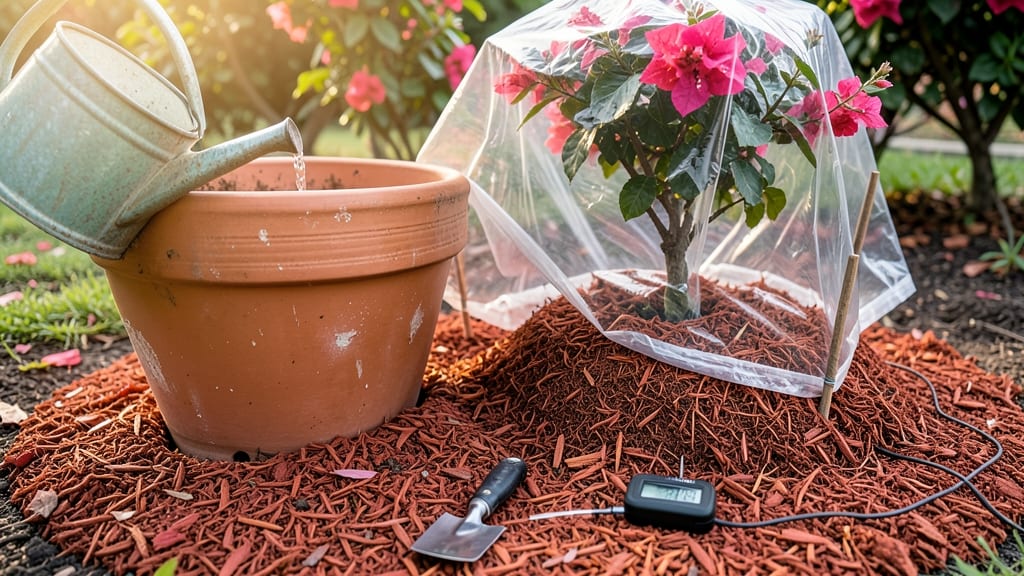
How to keep bougainvillea alive in winter feels like a battle—but it’s winnable. 🌿 These vibrant plants can survive cold snaps with the right prep, and I’ve learned the exact tricks after nearly losing mine to frost twice. The key? Understanding dormancy and protecting them before the first chill arrives.
Most bougainvillea need USDA Zones 9-11 to thrive outdoors year-round, but with smart overwintering, you can push their limits. Start by pruning back one-third of the growth in early fall to encourage new, hardier shoots.
Move potted plants to a garage or shed before temperatures drop below 40°F, and wrap outdoor plants in burlap or frost cloth for extra insulation.
Watering shifts dramatically in winter—reduce it by 75% to prevent root rot from soggy soil. Check moisture every 2-3 weeks instead of weekly, and avoid fertilizing entirely until spring. With these adjustments, your bougainvillea will wake up in spring lush and ready to bloom again.
Regional tweaks matter: In colder zones, indoor overwintering is safest, while milder climates may only need light mulching. The goal is to mimic their natural dormancy cycle—less water, less food, and just enough protection to survive. Your bougainvillea will thank you with bold, colorful blooms come spring.
Cold Stressors That Threaten Bougainvillea
Winter can be a make-or-break season for bougainvillea, especially when temperatures drop below its comfort zone. Understanding the why behind winter die-off helps you take proactive steps to protect your plant. Let’s break down the key factors that turn your vibrant bougainvillea into a frostbitten casualty.
Bougainvillea (Bougainvillea spp.) is a tropical or subtropical plant, meaning it evolved in climates where temperatures rarely dip below 40°F (4°C). When winter arrives and mercury plummets:
- Cell membrane rupture: Cold causes water inside plant cells to freeze and expand, literally bursting cell walls. This disrupts nutrient transport and leads to brown, mushy stems and leaves.
- Metabolic shutdown: Below 32°F (0°C), the plant’s enzymes slow to a crawl, halting photosynthesis and respiration. Without energy, roots and foliage weaken, making recovery nearly impossible.
- Root zone freezing: Even if the tops survive a light frost, roots in frozen soil can’t absorb water or nutrients. A healthy root system is critical for spring regrowth—if it’s damaged, the whole plant suffers.
Pro Tip: 🌡️ Most bougainvillea varieties tolerate brief dips to 30°F (-1°C), but prolonged exposure below 25°F (-4°C) is fatal. Check your local hardiness zone (USDA Zones 9–11 are ideal) to gauge risk.
Frost isn’t just about temperature—it’s about ice crystal formation within plant tissues. Here’s how it happens:
- Extracellular ice formation: When water outside cells freezes first (supercooling), it draws moisture out of the cells via osmosis, dehydrating them. The cells collapse, leading to crispy, papery leaves and brittle stems.
- Intracellular ice (worst-case scenario):** If water freezes inside the cell, it shatters organelles like mitochondria and chloroplasts, killing the cell instantly. This is why a sudden hard freeze can turn lush bougainvillea into a skeletal mess overnight.
- Secondary damage: Frost-damaged leaves become entry points for fungal infections (like powdery mildew) and bacterial rot, further weakening the plant.
Fun Fact: 🔍 Bougainvillea’s thick, papery bracts (the colorful parts we admire) are more frost-resistant than the delicate stems and leaves. Protect these first—they’re the plant’s “survival markers” for spring!
Water is essential, but winter changes the game. Cold soil behaves differently:
- Poor drainage: Frozen or compacted soil can’t absorb water properly, leading to root suffocation. Oxygen levels drop, and roots suffocate, even as the plant appears thirsty.
- Fungal growth: Overwatered, cold soil becomes a breeding ground for Phytophthora and Pythium, pathogens that thrive in soggy conditions. These cause root rot, turning healthy roots black and mushy.
- Nutrient lockout: Cold soil microbes slow down, reducing nutrient availability. Even if you fertilize, the plant can’t access phosphorus or nitrogen, stunting growth.
Pro Tip: 💧 Never water bougainvillea if the soil is frozen or temperatures are below 50°F (10°C). Wait until the soil warms to at least 60°F (15°C) before resuming hydration.
Bougainvillea hates thermal shock—rapid fluctuations between freezing nights and warm days. Here’s why:
- Transpiration stress: On a sunny winter day, the plant may photosynthesize, but cold nights force it to “shut down.” This back-and-forth exhausts its energy reserves.
- Stem cracking: Water expands when it freezes, then contracts when it thaws. Repeated cycles can split stems along their length, exposing the plant to disease.
- Delayed dormancy: If the plant “wakes up” too early (e.g., a 70°F day in December), it’s vulnerable to late frosts. This is why some gardeners see bougainvillea leaves sprouting only to be fried by a sudden freeze.
Science Note: 🌡️ Bougainvillea enters dormancy when days shorten and temperatures drop. If you prune or fertilize too early, you trick it into growing when it should be resting—leading to winter weakness.
Now that you know the why, the next step is how to shield your bougainvillea from these winter threats. Stay tuned for actionable strategies to keep your plant thriving until spring!
Revive Your Bougainvillea Now
Winter can be tough on bougainvillea, but with the right fixes, your plant can bounce back stronger than ever. Below are practical, step-by-step solutions to common winter woes—from frost damage to pest invasions—plus prevention tips to keep your bougainvillea thriving year-round.
If your bougainvillea shows blackened leaves, brittle stems, or mushy growth, it’s likely suffered from cold stress. Here’s how to nurse it back to health:
🔥 Step 1: Trim the Damage
Use sterilized pruning shears to cut back:
- Dead or discolored branches (snip just above a healthy bud or leaf node).
- Weak, leggy growth (this encourages bushier regrowth in spring).
- Pro Tip: 💡 Disinfect your shears with rubbing alcohol between cuts to prevent disease spread.
🌿 Step 2: Protect from Further Chill
- Move potted bougainvillea indoors (a garage, sunroom, or even a heated patio works).
- Wrap outdoor plants with burlap or frost cloth if temps dip below 25°F (-4°C).
- Mulch the base with straw or shredded leaves (3–4 inches deep) to insulate roots.
💧 Step 3: Hydrate (But Don’t Drown)
- Water sparingly—only when the top 1–2 inches of soil feel dry.
- Avoid wet foliage (prevents fungal growth like powdery mildew).
- Pro Tip: 🌡️ Use a soil thermometer—roots rot if soil stays below 40°F (4°C) for too long.
🌱 Step 4: Fertilize Lightly in Early Spring
Once new growth appears (usually late winter), feed with a balanced, water-soluble fertilizer (10-10-10) at half strength. This jumpstarts recovery.
If you spot sticky residue, white cottony spots, or tiny webs, pests are likely the culprit. Act fast!
🔪 Step 1: Isolate & Inspect
- Quarantine the plant to stop pests from spreading.
- Check undersides of leaves and leaf axils (where bugs love to hide).
🍳 Step 2: Blast Off Pests (Non-Toxic First!)
- Neem oil spray: Mix 1 tbsp neem oil + 1 tsp mild soap + 1 quart water.
Spray every 5–7 days until pests vanish. - Horticultural oil: Effective for scale insects—apply when temps are above 50°F (10°C). - Pro Tip: ✨ For severe infestations, repeat treatments—pests have tough egg stages!
👨🍳 Step 3: Encourage Natural Predators
- Ladybugs, lacewings, and parasitic wasps eat mealybugs and mites. Buy them online or attract them with dill or fennel plants nearby.
🚫 Prevention for Next Winter
- Wipe leaves with a damp cloth monthly to remove egg-laying sites.
- Avoid over-fertilizing (weak plants attract pests).
- Inspect new plants before bringing them indoors.
If your bougainvillea’s leaves yellow, stems soften, or soil smells sour, root rot may be setting in.
⏰ Step 1: Stop Watering Immediately
- Let the soil dry out completely before watering again.
- Pro Tip: 💡 Use a moisture meter—aim for 30–40% moisture in winter.
🌧️ Step 2: Improve Drainage
- Repot if using a container with no drainage holes (switch to terracotta or add a layer of gravel at the bottom).
- Amend soil with perlite or coarse sand to boost aeration.
🔄 Step 3: Prune Rotten Roots (If Severe)
- Remove the plant from its pot.
- Trim black, mushy roots with clean shears.
- Dust cuts with cinnamon (natural antifungal).
- Repot in fresh, dry soil and hold off on watering for 5–7 days.
🌡️ Prevention for Next Season
- Water only when soil is bone-dry in winter.
- Use pots with drainage—bougainvillea hates soggy feet.
- Avoid saucers that trap excess water.
Bougainvillea needs a rest period in winter, but some gardeners over- or under-do it.
😴 If It’s Too Dormant (No New Growth)
- Move to a brighter spot (even indoors near a south-facing window).
- Gently mist leaves (but avoid soggy soil).
- Wait until spring to resume regular care.
🌱 If It’s Not Dormant (Growing in Winter)
- Reduce water to every 2–3 weeks.
- Fertilize lightly (every 6–8 weeks with half-strength feed).
- Pro Tip:** 🎯 If buds form but don’t bloom, it’s likely due to low light—boost brightness!
To prevent future problems, follow this quick-duty list before winter hits: ✅ Prune dead/weak growth in early fall (before hard frosts). ✅ Mulch heavily (4–6 inches of straw or leaves). ✅ Choose the right spot: South-facing walls or elevated containers (heat rises!). ✅ Monitor moisture—dry soil > soggy soil in winter. ✅ Inspect monthly for pests or early signs of stress.
Your bougainvillea can survive—and even thrive—through winter with these fixes! 🌸 By addressing cold damage, pests, and water woes proactively, you’ll set the stage for vibrant blooms next spring. Now go give your plant some TLC!
Frequently asked questions
What’s the safest temperature range for bougainvillea in winter?
Bougainvillea thrives when daytime temps stay above 50°F (10°C) and nighttime temps don’t drop below 40°F (4°C). For brief dips to 30°F (-1°C), use frost cloth or move potted plants indoors. Prolonged exposure below 25°F (-4°C) will damage or kill the plant.
Can I keep bougainvillea outdoors year-round in cold climates?
Only in USDA Zones 9-11 with heavy mulching and windbreaks. In colder zones, overwinter potted bougainvillea in a garage or sunroom with bright light (no direct sun). For ground plants, wrap them in burlap and add 4-6 inches of mulch to insulate roots.
How often should I water bougainvillea in winter?
Reduce watering by 75%—check soil moisture every 2-3 weeks instead of weekly. Only water when the top 1-2 inches of soil feel completely dry. Overwatering causes root rot, while underwatering stresses the plant during dormancy.
Will my bougainvillea bloom again after winter?
Yes! With proper care, bougainvillea will reward you with spring blooms. Prune back one-third of growth in early spring, fertilize lightly, and ensure it gets 6+ hours of sunlight daily. The colorful bracts (not true flowers) will return once the plant recovers from dormancy.
What’s the best way to revive a frost-damaged bougainvillea?
First, trim all blackened or mushy stems with sterilized shears. Move the plant to a bright, sheltered spot (indoors or under cover) and reduce watering. Apply a balanced fertilizer at half strength once new growth appears in spring.