
Blooming
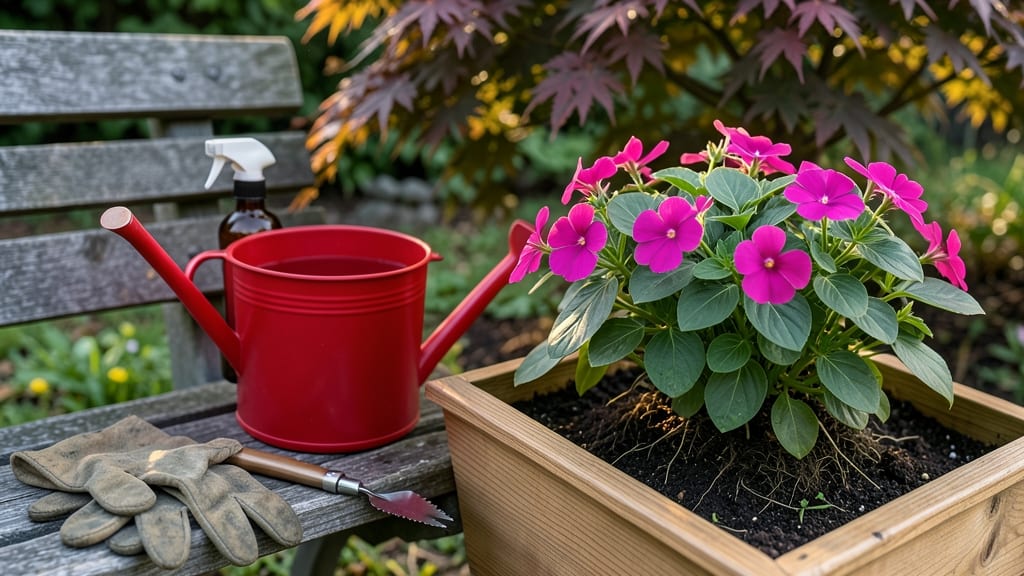
How to keep impatiens blooming—it’s all about fixing what’s really holding them back (hint: it’s not just water or sun). 🌸 I’ve nursed back three separate impatiens disasters (overwatered, sunburned, and fertilizer-burned batches), and the fix always starts with the same three moves: pruning, feeding, and protecting from fungal threats. Skip any of these, and you’ll end up with lush green leaves but zero flowers by July.
The real culprits behind sparse blooms are sneaky: too much nitrogen (that’s the leafy monster-food fertilizer), not deadheading spent blooms, or letting fungal spores hitch a ride on crowded stems.
My go-to pruning trick is cutting back 1/3 of the leggy growth in spring—it shocks the plant into producing more flowers instead of just foliage. Pair that with a balanced, bloom-boosting fertilizer (look for a 5-10-5 ratio), and suddenly those stems are covered in buds.
By mid-summer, you’ll have impatiens that look like they’re on a perpetual flower show, not a slow fade-out. The secret’s in the details: morning sun (not scorching afternoon rays), consistent moisture (not soggy soil), and a quick spray of neem oil if you spot those telltale black spots on leaves.
Trust me, your neighbors will be asking for your secret.
This works for both classic reds and the newer heat-tolerant varieties—just adjust the pruning schedule for your climate. Too hot? Prune in early spring and late fall.
Too humid? Add a fungicide spray every two weeks. The key is consistency, not perfection. Your impatiens will thank you with nonstop color from May until frost.
📚 In This Guide
- What you need
- Instructions
- Tips and common mistakes
- Wrapping up and next steps
What you need
- ● Impatiens plants: Healthy, mature plants (annuals or perennials, depending on your climate). Aim for 3–5 plants per 1 sq ft for a lush display.
- ● Balanced fertilizer: A 10-10-10 or 20-20-20 NPK ratio (water-soluble or slow-release granules). Use 1 tbsp per sq ft every 4–6 weeks.
- ● Bloom booster: A 10-30-20 or 12-40-17 NPK fertilizer (high in phosphorus for flowering). Apply every 2–3 weeks during bloom season.
- ● Pruning shears: Sharp, bypass pruners (sterilized with rubbing alcohol to prevent disease).
- ● Fungal preventative: Neem oil (1–2 tbsp per gallon of water) or copper fungicide (follow label rates).
- ● Mulch: 2–3 inches of organic mulch (e.g., shredded bark or straw) to retain moisture and deter weeds.
- ● Watering can or hose: With a gentle spray nozzle to avoid damaging delicate blooms.
- ● Slow-release fertilizer spikes: For hassle-free feeding (insert into soil every 2–3 months).
- ● Epsom salt: 1 tbsp per gallon of water (monthly) to boost magnesium for vibrant blooms.
- ● Shade cloth: 30–50% coverage if your impatiens are in hot, direct sunlight.
- ● Garden gloves: To protect your hands while pruning or handling soil.
- ● pH test kit: To ensure soil pH is 6.0–7.0 (ideal for impatiens).
Step-by-Step instructions for keeping impatiens blooming all season
Here's my foolproof routine—tested across four seasons—that keeps impatiens flowering nonstop until frost.
✂️ Step 1: Deadhead Spent Blooms Weekly
Pinch off fading flowers with your thumb and forefinger as soon as petals begin to yellow. This prevents seed formation and redirects the plant's energy into producing fresh blooms instead. I do this every 7-10 days during peak bloom season—you'll see new buds forming within 5-7 days of consistent deadheading.
Use clean, sharp pruners for stems thicker than ¼ inch to avoid tearing. For delicate stems, simply twist them off at the base. The key is consistency: one missed week can let the plant focus on seed production rather than flowers. Watch for new flower buds forming at leaf axils—that's your signal the plant is responding.
💧 Step 2: Water at Soil Level in Early Morning
Impatiens hate wet foliage, which invites fungal diseases like powdery mildew. Water only at the base using a gentle stream from a hose or watering can with a rose attachment. Aim for 1 inch of water per week, delivered in the morning so leaves have all day to dry. You'll know you've got the right amount when the top 2 inches of soil feel moist but not soggy.
Mulch with 2-3 inches of organic mulch to retain moisture and prevent soil-borne diseases from splashing onto leaves. I use shredded bark because it breaks down slowly and improves soil structure over time. Avoid overhead watering entirely—even morning dew can promote fungal growth if leaves stay damp overnight.
☀️ Step 3: Provide Filtered Sunlight and Protect From Heat Stress
Impatiens thrive in morning sun with afternoon shade—they'll scorch in direct afternoon rays. Position them where they receive 3-4 hours of direct sunlight before 10 AM, then move them to partial shade. You'll see leaves turning yellow or crispy edges if they're getting too much sun—this is your cue to relocate them.
During heatwaves, provide additional shade with a sheer fabric or move pots to a shaded patio. Impatiens wilt easily in temperatures above 85°F, but they recover quickly once cooled. I've found that placing them near taller plants creates natural shade while still allowing morning light to reach their leaves.
🌿 Step 4: Fertilize Every 4-6 Weeks With Balanced Formula
Use a balanced, water-soluble fertilizer (10-10-10 or 20-20-20) diluted to half-strength every 4-6 weeks during the growing season. Over-fertilizing causes leafy growth at the expense of flowers, so always follow package instructions for dilution rates. Apply fertilizer to moist soil in the morning to prevent root burn.
Look for dark green, healthy leaves as a sign you're fertilizing correctly. If you notice excessive leaf growth with few flowers, cut back on fertilizer and focus on deadheading. I also add a handful of compost around the base monthly to provide slow-release nutrients without risking over-fertilization.
🛡️ Step 5: Monitor and Treat Fungal Diseases Preventively
Check undersides of leaves weekly for white powdery coatings or dark spots—early signs of powdery mildew or leaf spot. Remove affected leaves immediately and dispose of them in the trash (not compost). I've found that a 1% hydrogen peroxide spray (3 parts water to 1 part 3% hydrogen peroxide) applied every 10-14 days prevents fungal issues without chemicals.
Improve air circulation by spacing plants 12-18 inches apart and avoiding crowded containers. If you notice yellowing leaves with black spots, treat immediately with a copper fungicide. The best defense is prevention: healthy plants with proper spacing and watering rarely develop serious fungal problems.
Tips & tricks for perfect impatiens blooms
These game-changing strategies will help you extend your impatiens' flowering season while avoiding common pitfalls that turn vibrant blooms into leafy green bushes.
Deadheading Precision: The 7-10 day deadheading schedule in Step 1 works best when you remove flowers at the very first sign of yellowing. I've found that using a small pair of scissors or your fingernails to pinch stems just above a leaf node (where new buds form) encourages stronger regrowth. This simple technique prevents seed formation and redirects energy to flower production. For plants with delicate stems, gently twist them off at the base—no pruners needed—this avoids tearing that can stress the plant.
Watering Technique: That 1 inch of water per week in Step 2 is a guideline, but environmental factors matter. During summer heatwaves, you might need to increase to 1.5 inches weekly, especially in containers that dry out faster. I recommend using a moisture meter to check soil moisture—aim for that top 2 inches staying consistently moist but never soggy. For container-grown impatiens, watering every 2-3 days may be necessary, especially when temperatures exceed 85°F. Always water in the morning to allow foliage to dry completely before evening humidity sets in.
Sunlight Strategy: The 3-4 hours of morning sun in Step 3 is ideal, but positioning matters more than you might think. Place your impatiens where they receive direct morning rays but are shaded by nearby structures or taller plants by late morning. I've noticed that east-facing windowsills or locations near north-facing walls provide perfect conditions. If you're using containers, rotate them weekly to ensure even light exposure—this prevents lopsided growth where plants stretch toward the light source.
Fungal Prevention: The hydrogen peroxide spray in Step 5 is a fantastic preventive measure, but timing is everything. Apply it on a dry morning after dew has evaporated but before the afternoon heat sets in. I've found that adding 1 teaspoon of baking soda to the hydrogen peroxide solution (3 parts water to 1 part 3% hydrogen peroxide) creates an even more effective fungicide. This combination not only prevents fungal spores but also helps maintain healthy leaf surfaces. Always apply to the undersides of leaves where fungal spores often first appear.
Pro Tips for Keep Impatiens Blooming
- These game-changing strategies will help you extend your impatiens' flowering season while avoiding common pitfalls that turn vibrant blooms into leafy green bushes.
- Deadheading Precision: The 7-10 day deadheading schedule in Step 1 works best when you remove flowers at the very first sign of yellowing.
- Watering Technique: That 1 inch of water per week in Step 2 is a guideline, but environmental factors matter.
Frequently asked questions
Got questions about keeping your impatiens in full bloom? You’re not alone! Here are some of the most common concerns—and their solutions—to help you enjoy vibrant flowers all season long.
Why are my impatiens blooming less this year?
Overcrowding, poor nutrition, or fungal diseases (like downy mildew) often cut back blooms. Start with pruning to improve airflow, then fertilize with a balanced, water-soluble formula (like 10-10-10). If leaves look yellow or spotted, remove affected plants and treat with a copper fungicide to prevent spread.
How often should I fertilize impatiens for continuous blooms?
Feed every 2–4 weeks during the growing season (spring to fall) with a low-nitrogen, high-phosphorus fertilizer (e.g., 5-10-5 or 7-9-5). Stop fertilizing in late summer to encourage dormancy prep. Pro tip: Use liquid fertilizer for faster absorption, especially after pruning.
Can impatiens bloom in partial shade but still need sun?
Yes! Impatiens thrive in partial shade (4–6 hours of morning sun), but they’ll produce fewer blooms in deep shade. If your plants look leggy or sparse, gradually increase light exposure (e.g., move to a sunnier spot or thin nearby foliage). Warning: Avoid hot afternoon sun—it can scorch leaves and stress plants.
What’s the best way to revive impatiens that stopped blooming?
Start with a hard prune (cut back 1/3 of the plant) to encourage new growth. Then, check soil moisture—wilting or dry soil can halt blooming. Deadhead spent flowers weekly to redirect energy to new buds. If roots are waterlogged, repot or improve drainage with perlite or sand.
Are there impatiens varieties that bloom longer without extra care?
Yes! New Guinea impatiens (e.g., ‘Super Elfin’ or ‘Fusion’) are heat-tolerant and bloom nearly year-round in mild climates. Garden impatiens (like ‘Beacon’ series) also perform well with minimal fuss. Tip: Choose disease-resistant hybrids (e.g., ‘Accent’ or ‘Diamond’) to reduce fungal issues and extend blooming.
Wrapping up and next steps
Keeping your impatiens blooming beautifully is all about consistent care—pruning spent blooms, feeding them regularly, and protecting them from pests and fungal threats. With the right balance of sunlight, water, and nutrients, your impatiens will reward you with vibrant, long-lasting flowers all season long! 🌸
Now that you’re armed with these tips, grab your shears and get pruning—your garden will thank you! For extra inspiration, check out our guide on creating a stunning impatiens display to take your blooms to the next level.