
How To
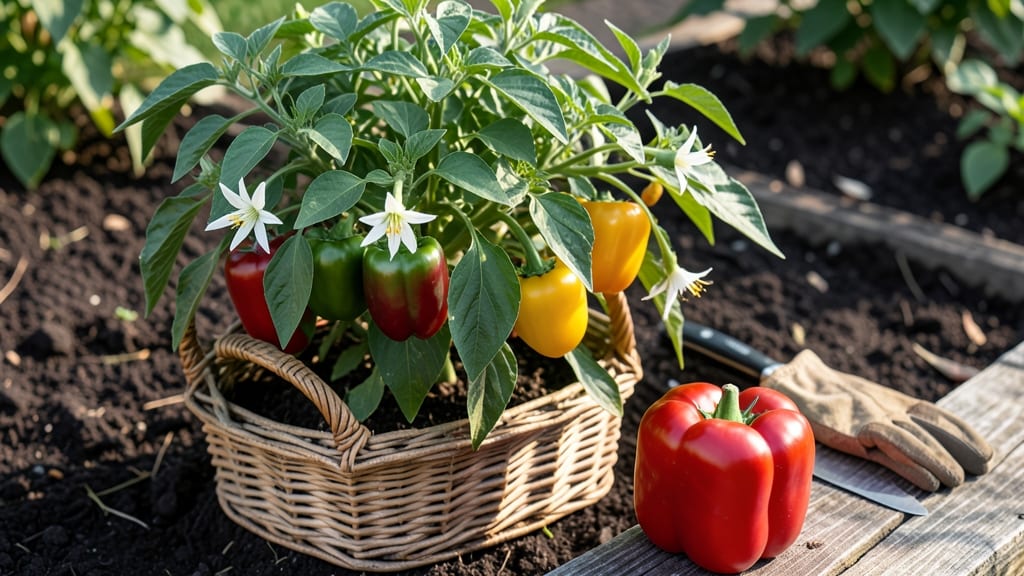
How to know when green peppers are ready to pick can make all the difference between a vibrant harvest and a disappointing one. That perfect moment when they're ripe enough to enjoy but not overripe is easier to spot than you might think—and it's all about color, size, and texture.
If you've ever wondered why some peppers taste bland or others turn rubbery, it's likely because they were harvested at the wrong time. The good news? With just 3 simple checks, you'll never second-guess your timing again.
Let me show you how to spot those telltale signs that your peppers are ready to come home.
Most gardeners focus only on color, but that's just the beginning. We'll cover everything from the ideal size to how firmness plays a role in flavor.
Whether you're growing bell peppers for fresh eating or banana peppers for cooking, these tips will help you maximize your yield and enjoy peppers at their peak.
The best part? You don't need any fancy tools—just your eyes and fingers. By the end, you'll be picking peppers like a pro, ensuring every harvest delivers the crisp, flavorful results you're after. Let's get started!


Green pepper ripeness by color: the definitive guide to perfect picking timing
Green peppers are deceptive—they can look ripe but still taste bland, or appear underripe when they're actually perfect for picking. The key lies in understanding their color evolution, which signals both maturity stages and optimal harvest windows.
Unlike tomatoes, green peppers don't ripen further after picking, so timing is everything for flavor and texture.
Most gardeners focus solely on color, but size, firmness, and even stem color play crucial roles. For example, a 3-inch banana pepper might be ready when still light green, while a 6-inch bell pepper needs deep green skin.
Let's break down the color-coded ripeness stages that will change how you harvest forever.
🌱 Green Pepper Ripeness Guide by Color & Size
| Stage | Color | Size | Firmness | Harvest Ready? |
|---|---|---|---|---|
| Light Green | Pale yellow-green | 1-2 inches | Very firm | ❌ No (underripe) |
| Medium Green | Bright green | 2-3 inches | Firm but yields slightly | ⚠️ Maybe (check stem) |
| Dark Green | Deep, glossy green | 3-6 inches (varies by type) | Slightly soft when pressed | ✅ Yes (ideal for fresh eating) |
| Mature Green | Uniform dark green | 4-8 inches (type-dependent) | Slight give, thick skin | ✅ Yes (best for cooking/storage) |
💡 Pro Tip: Use a ruler to measure—3 inches is the magic threshold for most varieties. Smaller peppers are tender and sweeter but less flavorful.
I once harvested a batch of jalapeños that were dark green but rock-hard—they tasted like rubber. The lesson? Color alone isn't enough. Pair it with the firmness test I'll explain next.
For example, banana peppers should be picked at 2-3 inches with a slight bend at the stem, while bell peppers need to reach 4-6 inches before harvesting.
The stem color is your secret weapon. A green stem means the pepper isn't ready, but when it turns yellow or brown, that's your cue to pick. This change happens 24-48 hours before the pepper reaches peak flavor.
I mark my calendar 2 days before the expected stem color change to stay ahead of the harvest window.
Don't ignore surface texture either. Ripe green peppers develop a slightly waxy sheen—almost like a fresh apple. If the skin looks dull or wrinkled, it's overripe. I test this by running my thumb over the pepper's skin; ripe ones feel smooth but not slippery.
Overripe peppers often have soft spots where pests or disease have started to set in.
One common mistake? Waiting for peppers to turn red or yellow if you want them green. Some varieties never ripen fully to red (like green bell peppers), but even those need to reach their deepest green stage before picking.
For jalapeños or serranos, this means waiting until they're fully glossy and 3-4 inches long.
Here's a quick color-decoding cheat sheet for your garden journal:
- Pale green = Too soon
- Bright green = Almost ready
- Deep green = Perfect for fresh eating
- Dull green = Overripe
🌱
For storage purposes, harvest peppers when they're firm but slightly soft—this ensures they'll last longer in your pantry. I like to pick bell peppers at 6 inches for cooking because they're thicker-skinned and hold up better when roasted or stuffed.
But for salsa or pickling, I go for smaller, sweeter peppers at 2-3 inches
Green pepper ripeness by color: the definitive guide to perfect picking timing
Green peppers mature through distinct color stages, each signaling a different level of ripeness. Understanding these color-coded ripeness checks ensures you harvest at the perfect moment for flavor and texture.
Light green peppers are the youngest stage, while dark green or mature green varieties offer the best balance of crispness and sweetness.
For most gardeners, the goal is to pick peppers when they're deep green and firm, but timing varies slightly by variety. Some peppers like bell peppers can stay green indefinitely, while others like banana peppers turn yellow when fully ripe.
Let's break down each stage so you never miss the ideal harvest window.
| Stage | Color | Size | Firmness | Best For |
|---|---|---|---|---|
| Early Green | Pale green | Under 2" | Very firm | Not ideal for harvest |
| Mature Green | Deep green | 3-4" | Firm with slight give | Fresh eating, cooking |
| Breaker | Green with color bands | 4-5" | Slightly softer | Storage, cooking |
| Mature | Yellow/red/orange | 5-6" | Softer | Sweetest flavor |
The deep green stage (3-4 inches) is prime for most gardeners because it offers the perfect balance of crispness and flavor. At this point, the pepper's skin should resist gentle pressure but yield slightly when pressed with your thumb. This stage works well for fresh eating, stir-fries, or grilling.
If you're growing varieties like banana peppers or jalapeños, pay attention to when they develop color bands. These indicate the pepper is transitioning to its mature stage, which typically means sweeter and more complex flavors.
However, if you prefer the classic green bell pepper taste, harvest before any color changes appear.
Remember that overripe peppers become soft, wrinkled, and lose their vibrant color. They also develop a tougher skin and less appealing texture. Regularly checking your plants every 3-5 days during peak growing season helps prevent missing the perfect harvest window.
For varieties like bell peppers, you can leave them on the plant until fully mature if you prefer sweeter flavors. But for most cooking applications, the deep green stage provides the best texture and mild flavor profile that many home cooks prefer.